Website of the Month – April 2012 – The Marshman Chronicles

In creating the Marshman Chronicles Gareth Rees hasn’t just put together a blog, he has created a world.  A world of strange sights and sounds and fascinating people.  A world inhabited by ghosts of the past, present and future.  A strange world that is commonly known as Hackney and Walthamstow Marshes.

 

Gareth Rees is The Marshman and his website defies categorisation or description, which is a bit of a bugger when you’re trying to review it.  Gareth vey kindly agreed to be interviewed by Psychogeographic Review, so it’s probably best left to him to give you a flavour of the world of The Marshman.


Bobby Seal: Before you go for one of your walks on the marsh do you plan a route or
is it a case of just drifting as the fancy takes you?

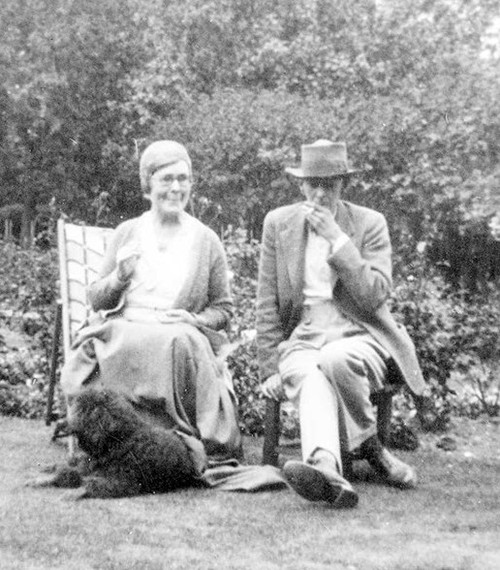
Gareth Rees: The dog needs two walks of about 40 minutes each day according to dog experts, vets and something I read somewhere once. I can’t be bothered with that, so I take him out on one big marsh trek each day. Coincidentally, it takes about an hour and a half to walk a circuit of Hackney & Walthamstow Marshes. So I take the same route every day, with minor variations. I might go anti-clockwise. I might cut across the marshes in diagonals. I might circle a smaller area, like the filter beds, a few times, taking pictures. Sometimes I’ll get into conversation with someone and drift along with them. But ultimately it’s the same route, more or less. My walks are like a good intelligent techno track. Lengthy, repetitive with the interest found in minor shifts, additions and omissions.

In my first few months exploring the marsh, back in 2008, it was a genuine derive. I’d no idea the marshes even existed. I’d got married, moved from Dalston to Clapton, my wife became pregnant and I’d given up a large part of my social life. So I bought a dog. And the thing about a puppy is you can only take them on short walks at first. So for a while I’d walk to the bottom of Millfields Park and wonder where the people were disappearing to, and why they came back so muddy and ruddy-looking, like they’d discovered a portal to the Yorkshire moors or something. When the dog was a bit stronger I crossed onto the marshes. I had no map or preconception. I’d read nothing about it. I wasn’t on social media. None of my friends knew about this place. It was a completely blank canvas. Each day I’d go a little deeper, discover something new, then back home with the dog. This strange canine conditioning meant I really savoured the discover and – for a while – every dog walk was a new and bizarre adventure.

*         *          *

BS: Hackney & Walthamstow Marshes, is it a physical place or a state of mind?

GR: The area I walk isn’t technically a unified place, but it has natural orders created by the topography. The Warwick reservoirs form its northern border. The A12 is its southern border. Its western line is the Lee Navigation – a canal that runs from North London down to the Thames estuary. The eastern border is formed at the north end by the ossified spine of an old aqueduct and at the south end by the river Lea, a remnant of the original waterway.

Within this border can be found Walthamstow Marsh, original boggy marshland surrounded by flooded ditches, bristling with rushes; Leyton Marsh, a drained green space; Middlesex Filter beds, an abandoned water treatment plant which now a nature reserve; Hackney Marsh, vast green network of football pitches ringed with trees; and Wick Woodland a dense patch of trees beneath the A12.


View Larger Map

That’s the physical place. But anyone who read my Marshman Chronicles will know that I have a personal take on the environment.  My vision of the marshes is an interpretation, not an objective reality that every visitor will necessarily share.

*         *          *

BS: Marshman Chronicles seems to be increasingly a vehicle for marsh-inspired fiction. Was that a deliberate strategy, or something more organic?

GR: I’ve been writing fiction since I was 6 years old, so it was probably inevitable that it would seep into my blog. Sometimes fiction is a better way of expressing a truth, especially in a liminal place where the facts aren’t clear. But this wasn’t planned. The marsh has so many stories to tell.  I’ve never been so inundated with ideas and inspiration in my life, and that includes travelling for a year across South America and Central America when I was 29.

*         *          *

BS:  Do you see your writing as being part of any kind of tradition or system of analysis? I have in mind a host of writers through from Richard Jefferies to Iain Sinclair, but also film directors like Patrick Keiller.

GR: Not really. I’d not heard of Ian Sinclair before I started writing about the marshes, and I can’t say I’m a massive fan, though I find him interesting. My biggest influences are the experimental British writer BS Johnson, and Henry Miller.

This project isn’t intentionally psychogeographical. I know it can be seen as such, but basically I am a bloke walking his dog and writing about it. I’ve no system of analysis. I’m not sure if I even analyse at all. The whole thing is an organic experiment. It’s a labour of love. This is writing I do for fun in my spare time. So I impose no rules or conditions on myself other than “Do What Thou Will Shall Be The Whole of the Law”. Occasionally I pick up on tiny details – the types of rubbish lying around for instance – and run with an idea. Other times I’ll tell a story based on fact. Other times I’ll make up a story and have zombies dragging themselves from the River Lea.

If you look at my early blog posts they were just descriptions of various locations on the marsh, written by a slightly angry man with a new baby and sleep deprivation. The early stuff is really forced, like I’m trying to create a ‘marshworld’. It’s a bit cringeworthy. I’ve had to go back and tweak some of it out of annoyance with myself. I think I was trying to tag the place – impose my will on it. Over the months of really properly looking at the marshes and understanding their relationship with London and I stopped trying to impose my will and let the environment tell the story.  
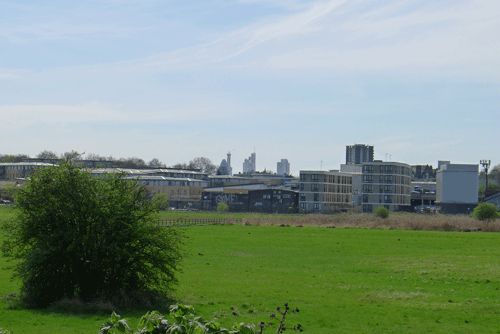
 

Walthamstow Marsh Skyline


BS: Turning to your work with music, this whole area of meshing mixes of music with landscape is absolutely fascinating. Is it a case of the one helping the listener interpret the other, or is that too simplistic a view?

GR: Quite often, depending on my mood, I’ll take music onto the marshes. My house is so hectic with two children that if I want to listen properly to a new album I have to take it outside on my iPod. But what happened quite early on was that I’d be listening to a piece and the sounds of the marsh would seep in and blend, or jar, or do something transformative to the mix. Trains, distant drills, crow caws, a child’s shout, alarms, helicopters, humming electricity lines… sometimes I would have to take my headphones off to work out what was on the track and what was outside. Other times the music would almost perfectly match the environment and somehow the sights around me would enhance the music I was hearing. I call of these ‘soundchronicities’ – a unique, unrepeatable moment in time where music and environment harmonise or discord in an affecting way. It happens totally in your own head and it’s usually unexplainable in words, which is what good music should be. Admittedly it works best with techno, electro, dub, ambient, hauntological stuff, drone, early electronics, old library tracks, obscure horror soundtracks field recording-based music. I started creating mixtapes based on the sort of music that works well with this and putting them on my website. I even started reviewing albums based on how they affected, or were affected by, the walk.

*         *          *

BS: Are you sticking around in East London during the Olympics? What are your fears for the post-Olympic period?

GR: Yes I am, because I’ve nothing better to do. I’ve no fears except the one about the earth ultimately ending up as a fireball being swallowed up by the sun. The city is in constant flux, it warps and changes, communities die, buildings go up, buildings come down. Ambitions and dreams become ruins, then those ruins become dreams – that’s what the marshes are about. The whole of the area I walk is littered with technological advances and industrial scars – the canals, the old aqueduct, the reservoir, the filter beds, the derelict warehouses, the bomb rubble that drains Hackney marsh, the Victorian railway bridges… these are all ‘developments’ and they’re what make the place magical and inspirational. Once day someone like me will be walking round the abandoned overgrown Olympic Park thinking “this is great, I am so glad this is here, I can’t believe they want to develop this, it’s perfect”. We have to let go of time. It’s not ours to keep.

*         *          *

BS: We can all find wonderful, joyful, troubling liminal spaces a bit like Hackney Marshes near to where we happen to live. What advice do you have for any aspiring marshmen or women out there?

GR: If you stick at it, even the most boring place should begin to bring results. It’s all about deep looking, and that can only happen if you give it time and you keep going back, spotting those tiny details. I learned this by accident, but I think it’s true. It’s the little things – the woman in the odd hat you keep seeing on a Tuesday, the packet of pills in the grass verge, the way shadows transform a pathway, the odd small that drifts in at 5 o’clock, the way a pylon sometimes hum, the odd concrete block that shouldn’t be there… try and work out the connections and, hey presto, you’ve a story to tell.

*         *          *

BS: Finally, does Hendrix have anything he wants to add to the conversation?

GR: He probably wants to know if you’ll give him some dinner. I’ll tell you a weird thing about Hendrix and his role… there’s this couple who walk their dog, who I’ve spoken to a few times. The other day I was on the marsh and didn’t have Hendrix with me. They completely blanked me, just walked past without even a nod. I don’t think they recognised me without a dog. I don’t know what that means, but it’s interesting, probably.

*         *          *

BS: Gareth, thank you so much for being so generous with your time and helpful with your insights.


Photographs courtesy of The Marshman Chronicles

Map courtesy of OpenStreetMap

Posted in Home | Tagged , , , | Leave a comment

Windscreen Cinema

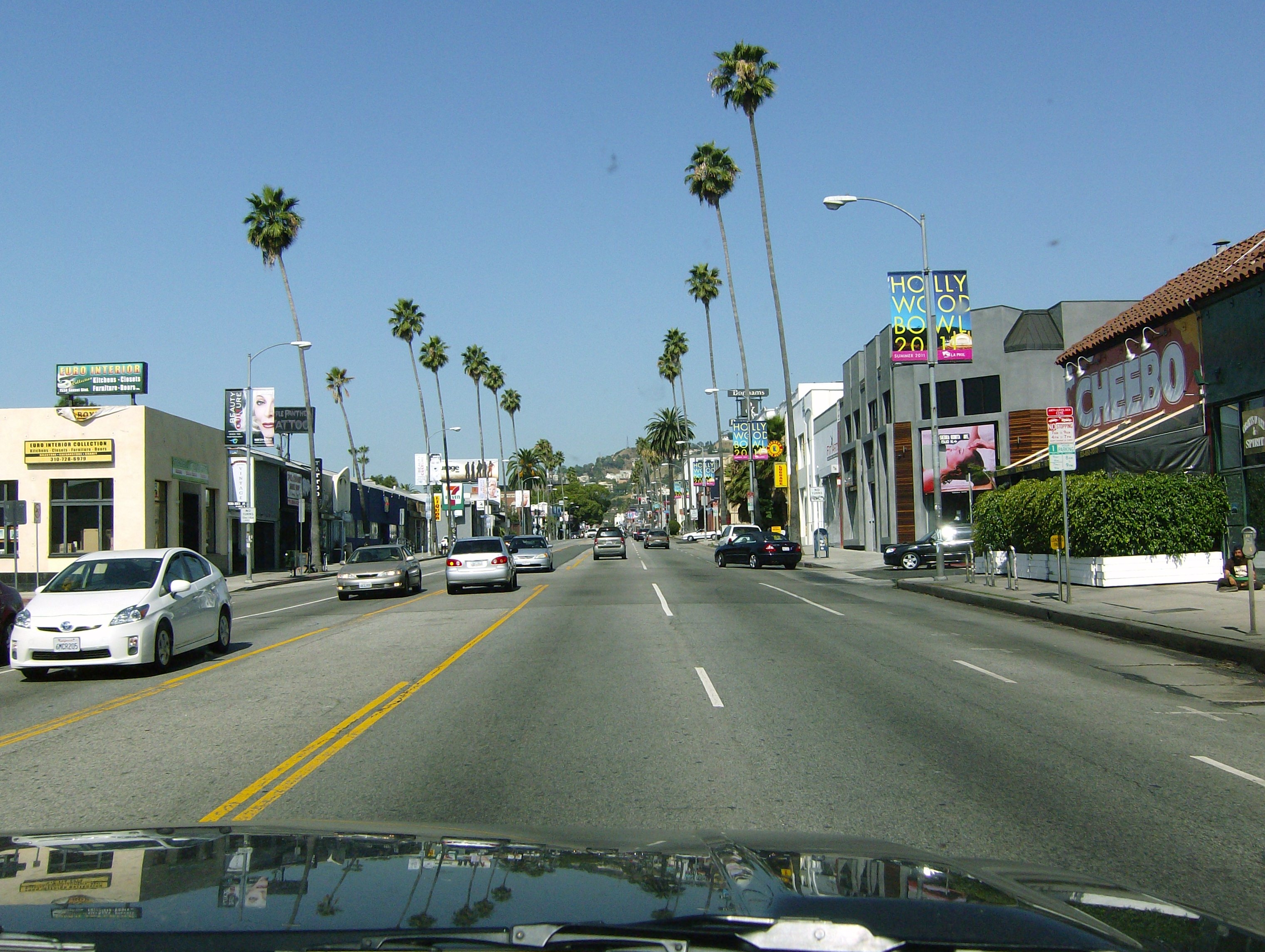
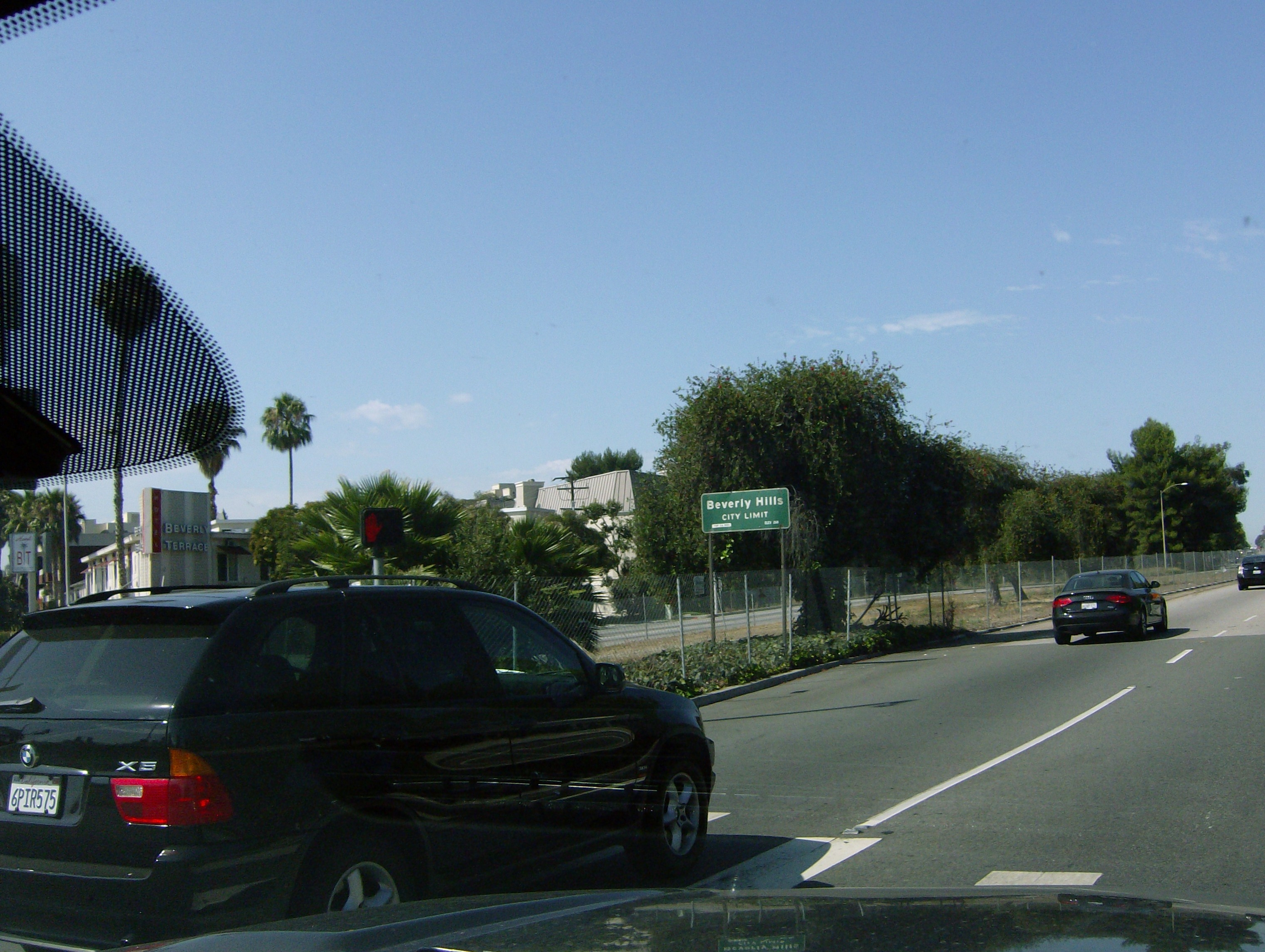
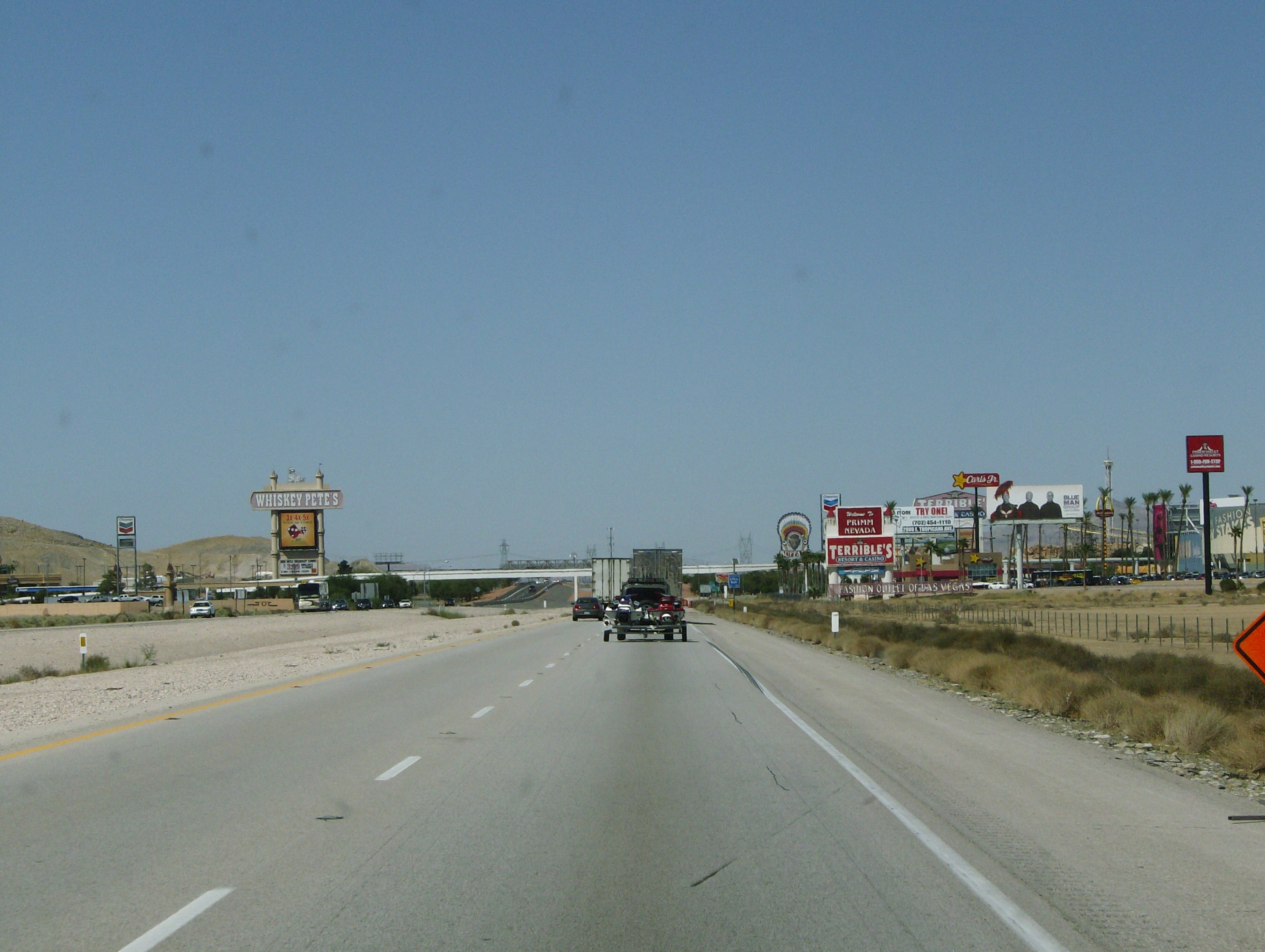
I discovered the idea of windscreen cinema on a drive from Los Angeles to Las Vegas last summer.  I sat in the front passenger seat all the way and became fascinated by how the landscape moved and changed before me, framed by the shape of the windscreen.

What was real and what was not real as we travelled in our air-conditioned can?  We sat, gazing at the desert road stretching out before us, to the horizon and beyond…  Were we just voyeurs, or did we have a part to play in the story of this landscape? 


Windscreen                                                                                          Cinema Screen


Looking back now, months later, at the pictures that I took on that journey I’ve come to the conclusion that the following are the similarities shared by viewing a windscreen and a cinema screen:

  •       The pictures move
  •       The shot is framed
  •       The soundtrack is ambient and occurs in real time
  •       But a further layer of sound can be added
  •       You can bring along snacks and drinks
  •       And also your loved ones
  •       These people you see on screen are just acting
  •       What you see is emotionally involving
  •       But it is not real
  •       The image you see stretches away into infinity
  •       Something mysterious exists beyond the frame of the shot
  •       But it is not real
  •       The narrative continues even after you’ve finished watching
  •       The journey is sometimes interesting and at other times tedious
  •       You can feel as if the whole thing is getting nowhere
  •       But eventually you arrive somewhere
  •       You can talk about what you’ve seen when it is over


Posted in Home | Tagged , , , , | 1 Comment

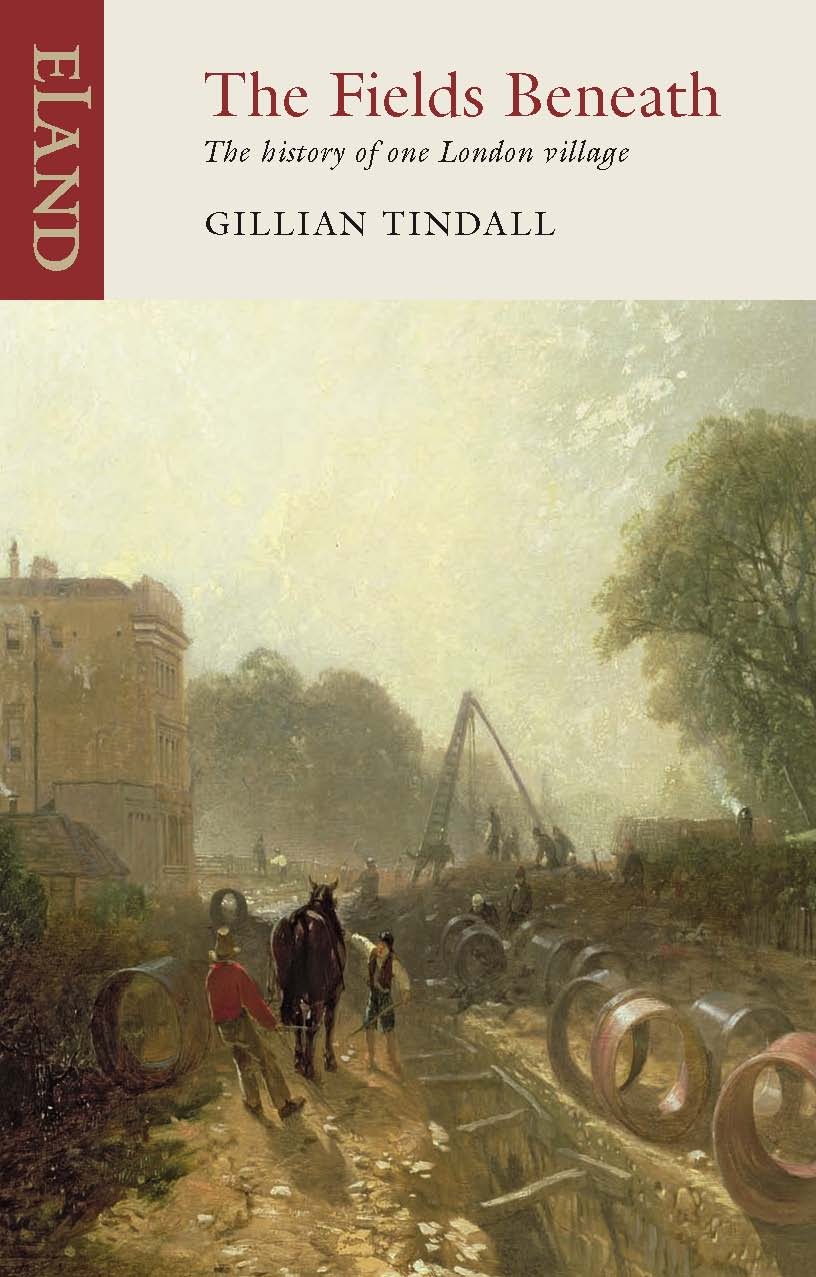
Book of the Month – April 2012 – Gillian Tindall: The Fields Beneath

I found my copy of Gillian Tindall’s The Fields Beneath in a second-hand bookshop in Wigtown, Dumfries and Galloway one August afternoon last year.  Strange to be buying a London book on a visit to Scotland, but I felt pathetically vindicated when the bookseller smiled encouragingly and told me she thought it looked really interesting.

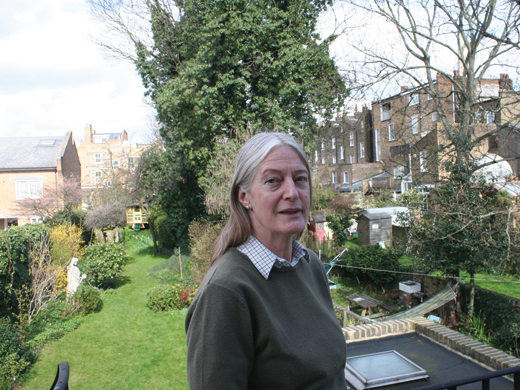
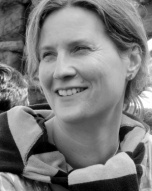
Gillian Tindall in 2011

The Fields Beneath refers to the land which lies beneath the streets and buildings of Kentish Town.  It is the history of the village and surrounding fields that were gradually, layer by layer, built over and absorbed into present-day London.  Tindall takes us from pre-Roman times, through the medieval era to the explosion of building and population of Victorian times.


Gillian Tindall moved to Kentish Town in the early 1970s and still lives in one of the area’s oldest houses.  Writing in 1977, she was able to see the area with the sharp eye of the newcomer, but also with the affection of a resident. 

The Fields Beneath is meticulously researched.  Tindall carefully reveals each layer of the sediment of human occupation in this place, from her starting point in the 1970s back to the shards and faint scars of the original Roman-era occupants.  But she is no dry academic; her style is poetic and meditative.  Tindall is aware that the human landscape is created not just by the things that people build and do, but by what they think, feel and believe too.


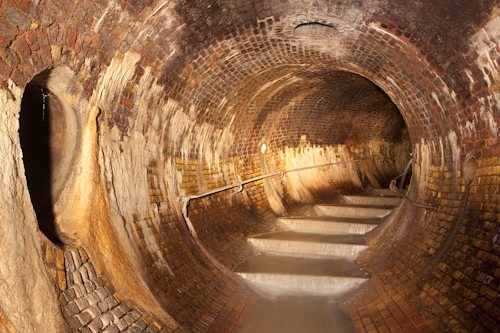
The echo, the beat, the living pulse that runs through this book, it seems to me, is that of the River Fleet.  Flowing from Hampstead Heath through Camden and Kentish Town to King’s Cross and, from there, to the Thames, the Fleet is the living heart of Kentish Town.  Bricked over and converted into a sewer, the Fleet is still an almost mystical force running through the area. 


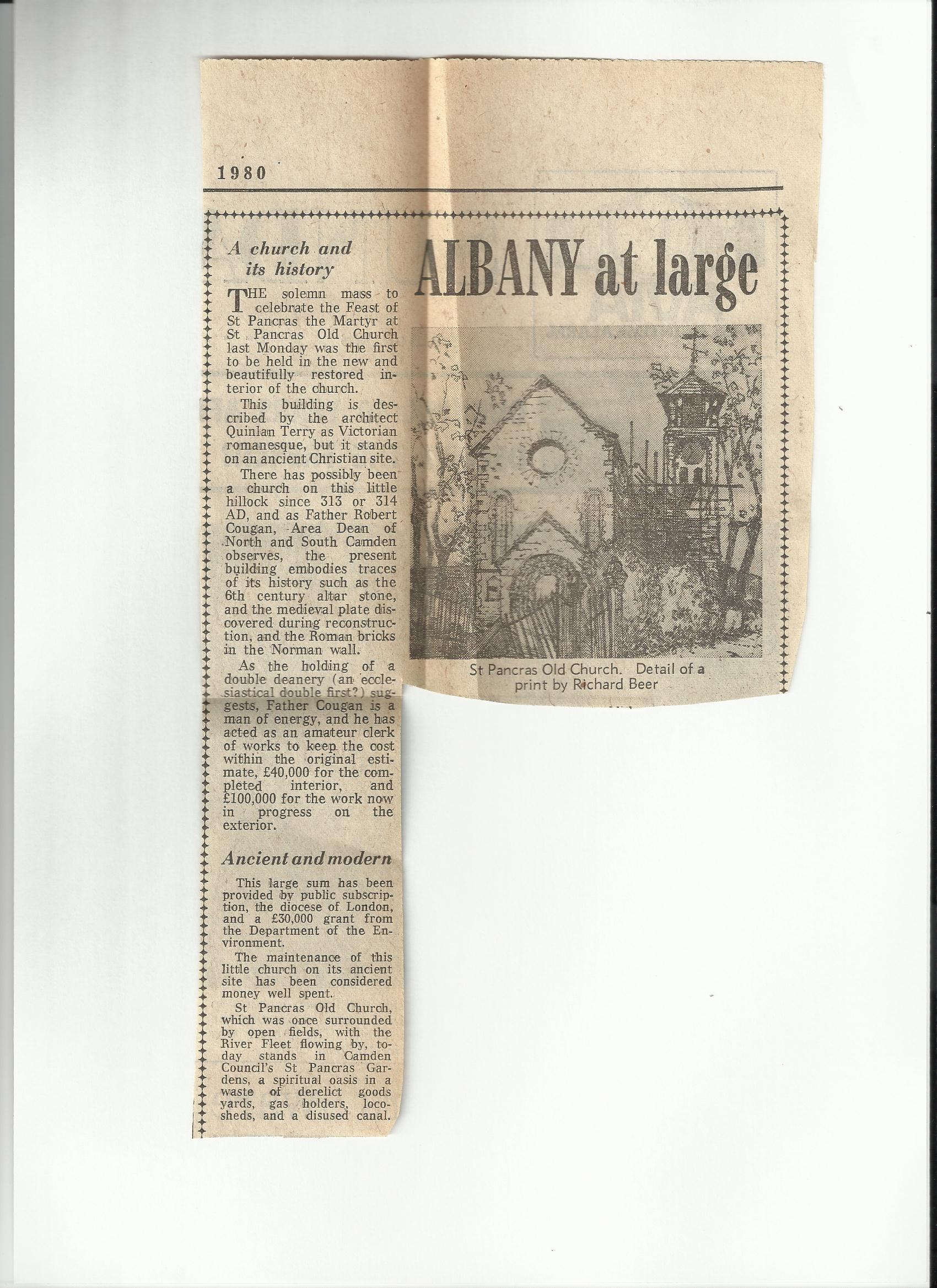
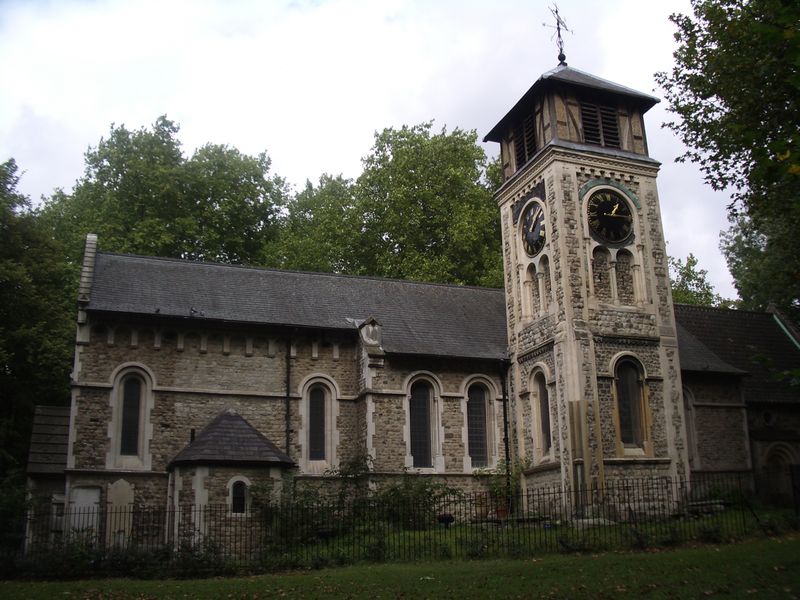
Near the two Victorian stations of King’s Cross and St Pancras, the river passes St Pancras Old Church.  The church, although mainly Victorian, is on an ancient religious site and is dedicated to the Roman martyr, Saint Pancras.  Strange to find in my copy of The Fields Beneath a newspaper cutting from 1980 marking the reopening of the church after restoration.


In the mid-Victorian era Kentish Town had an evil reputation, the home of fetid slums, railways and airless sweatshops.  People preferred to say they lived in Parliament Hill, Highgate Rise, Dartmouth Park, Brookfield, Holloway, Camden New Town.  Nowadays, however, the area has something of an air of hip urban chic.  But where exactly is Kentish Town and what are its boundaries?  Tindall uses the two railway viaducts at either end of Kentish Town Road and Highgate Road as her markers.

Walking the A400 today, breathing in traffic fumes and stepping over fried chicken wrappers, the past is ever present.  A Roman track to Londinium, a medieval parish church and clutch of cottages, Black Death burial pits; all are still present.  George Gissing walked these streets and used what he saw to people his The Nether World.


Tindall rails against the town planners of the 1950s and 1960s and their slash and burn approach to working class communities:

Among the generation of planners who entered the profession after the War, ‘comprehensive redevelopment’ was considered, for ideological reasons, the only proper approach. (p.214)

I wonder what she makes of our latter-day grand projects?


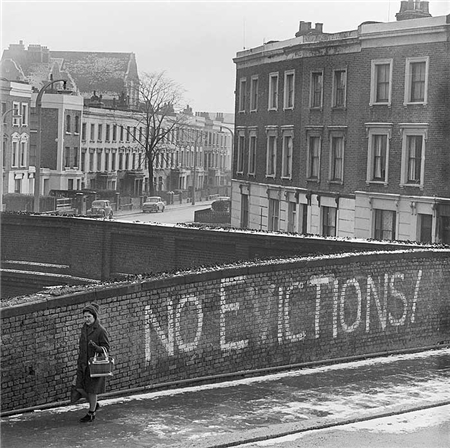
Images courtesy of: Camden New Journal (author picture), The Winchester (River Fleet), Wikipedia (St Pancras Old Church), Heritage Explorer (Kentish Town 1960s) and Eland Publishing (cover picture)

With thanks to Barnaby Rogerson at Eland

Posted in Home | Tagged , , | Leave a comment

Pretending the Weather


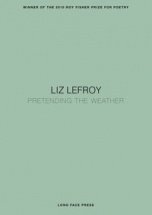
Liz Lefroy is a poet.  She writes about family, faith and loss.  She writes to celebrate the sheer joy of words.  Her first collection of poems is called Pretending the Weather and the two poems that follow are from that collection.


      Map

I your mother have a new map for the world.  See how
wild it is!  The plains I wandered nomad creak now under
the bear’s paw suffocate my journeying with thick stems
behind which lurk pounce and barbed fright.  There are
edges now juts and rims overhangs precipices which
persuade your young skin the soft skin of your brow
knees hands to the small rocks the tiny stones which
imagine themselves embedded fastened into you.  In the
distance the crag-peaks heave themselves up until there is
no horizon but the diminishing blue and the menace of
enfolding.  And there are the hordes the multitudes which
swarm heedless of the loveliness the locus of you that is
all everything abundant everything.


To buy a copy of Pretending the  Weather, please contact Liz by email: liz.lefroy@btinternet.com


Pretending the Weather


On the second mild day in March,

We get out our cobwebbed chairs,

Discuss gas and charcoal.

It’s good for the garden,

We say, when the cold returns,

And resume the wearing of vests.


We spend the first warm day in May

Bedding in tender plants

And drink tea in a patch of sun.

At night, fearful of late frost,

We tuck up the flowers

In yards of white fleece.


In August we talk of heat,

Of how even France can be like this,

Of getting further south,

At the beach, the children insist on burial,

Play out their skinny toughness

In castles, shells and grainy hair.


Our harvest is green and small:

Tomatoes, beans, bitter grapes.

We pickle the little sun into jars.


When the winter has settled us,

We breathe in vinegar and cardamom,

And consider the value of rain.


Liz Lefroy’s second collection of poems, The Gathering, is due to be published in May.  The poems have been set to music and will be premiered at the St Chad’s Music Festival, Shrewsbury on 5th May 2012.


Posted in Home | Tagged | Leave a comment

What If?

A picture taken in Kirkcudbright.  It had been raining most of the day, but stopped just before I spotted this at the end of a little alleyway we had wandered along.

So what if the Hokey Cokey really is what it’s all about?  The thought has haunted me ever since.  Should I find it reassuring or threatening?  In my experience, the Hokey Cokey always ends in complete mayhem.  So maybe that’s what the artist is saying…

If anyone knows anything more, please feel free to comment.

Posted in Home | Tagged | Leave a comment

Deva Dérive

Deva Victrix: outpost of the Roman Empire, bulwark against the raiding Brigantes and garrison home of the Legio XX Valeria Victrix.  Nowadays known as Chester.

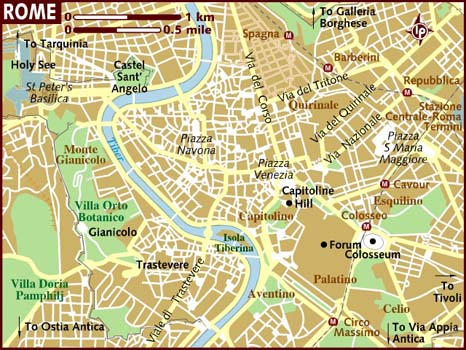
A day out in Chester offers the opportunity to explore the city: to walk its psychogeographical contours.  I take the view that deliberately wandering in a state of disorientation can actually enhance one’s understanding of an urban landscape; that it can often provoke strange and unexpected insights at a subjective level.  So, what better way to explore the Roman city of Chester than with a map of Rome. 

.

Life can never be too disorientating.

                                                            Guy Debord

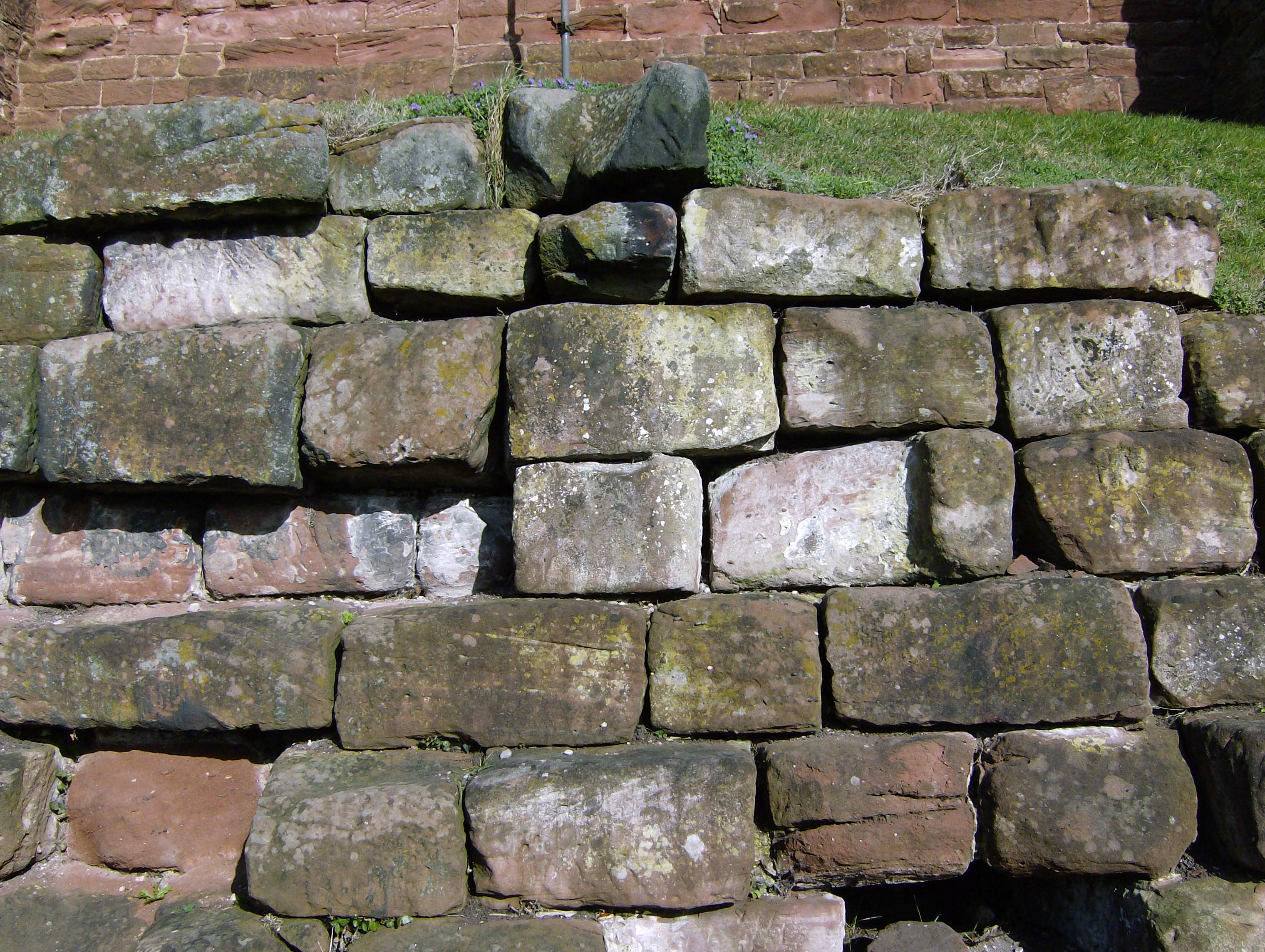
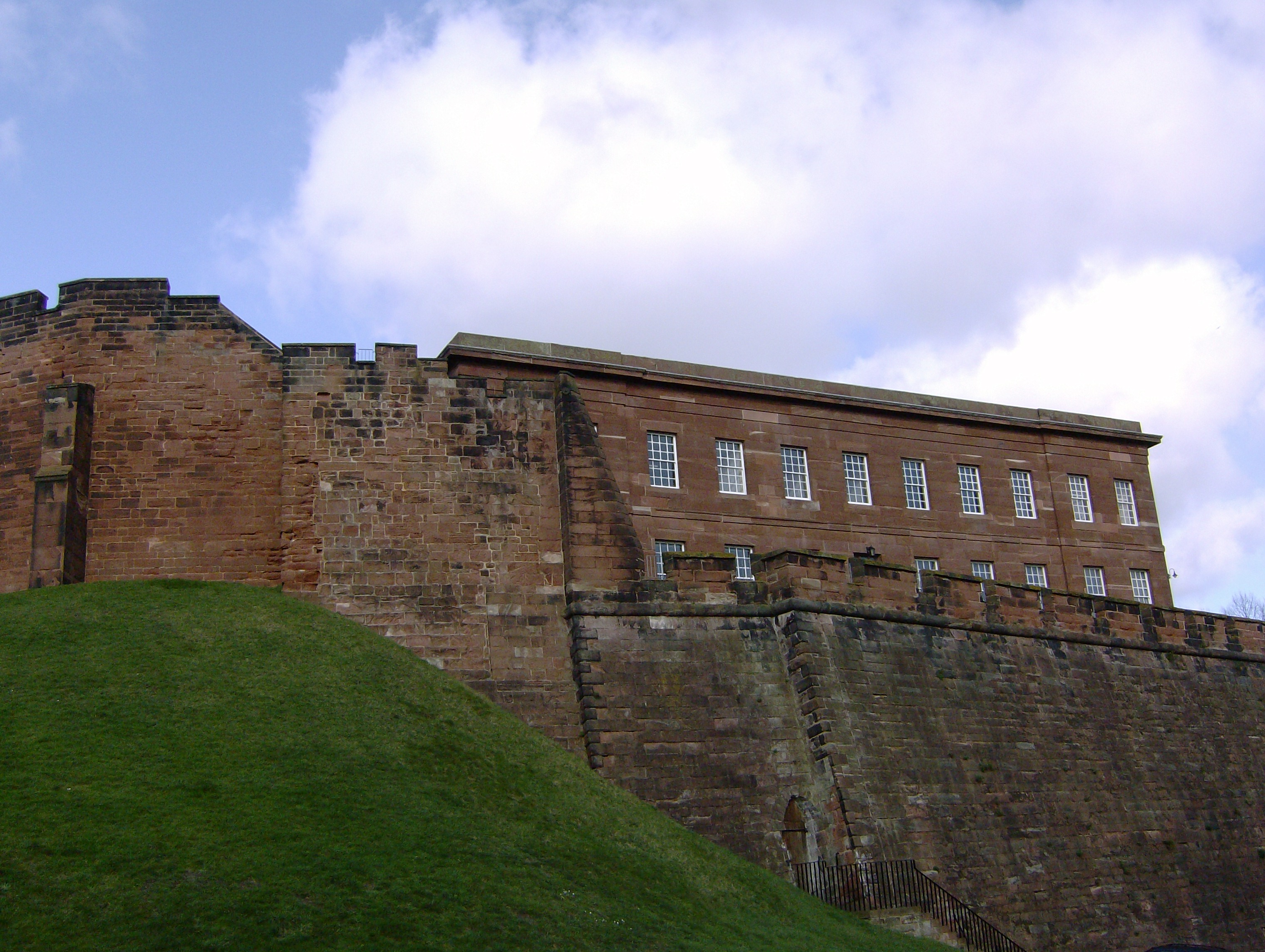
We begin our dérive at the Villa Borghese, near the Spanish Steps.  It’s hard to bring an interpretive reading of the cityscape into focus with so many accumulated layers from nearly two thousand years of human activity in this place, one heaped upon the other.  But the Roman city begins to articulate itself once we reach the city wall; a medieval top layer perched on the Roman bones beneath.

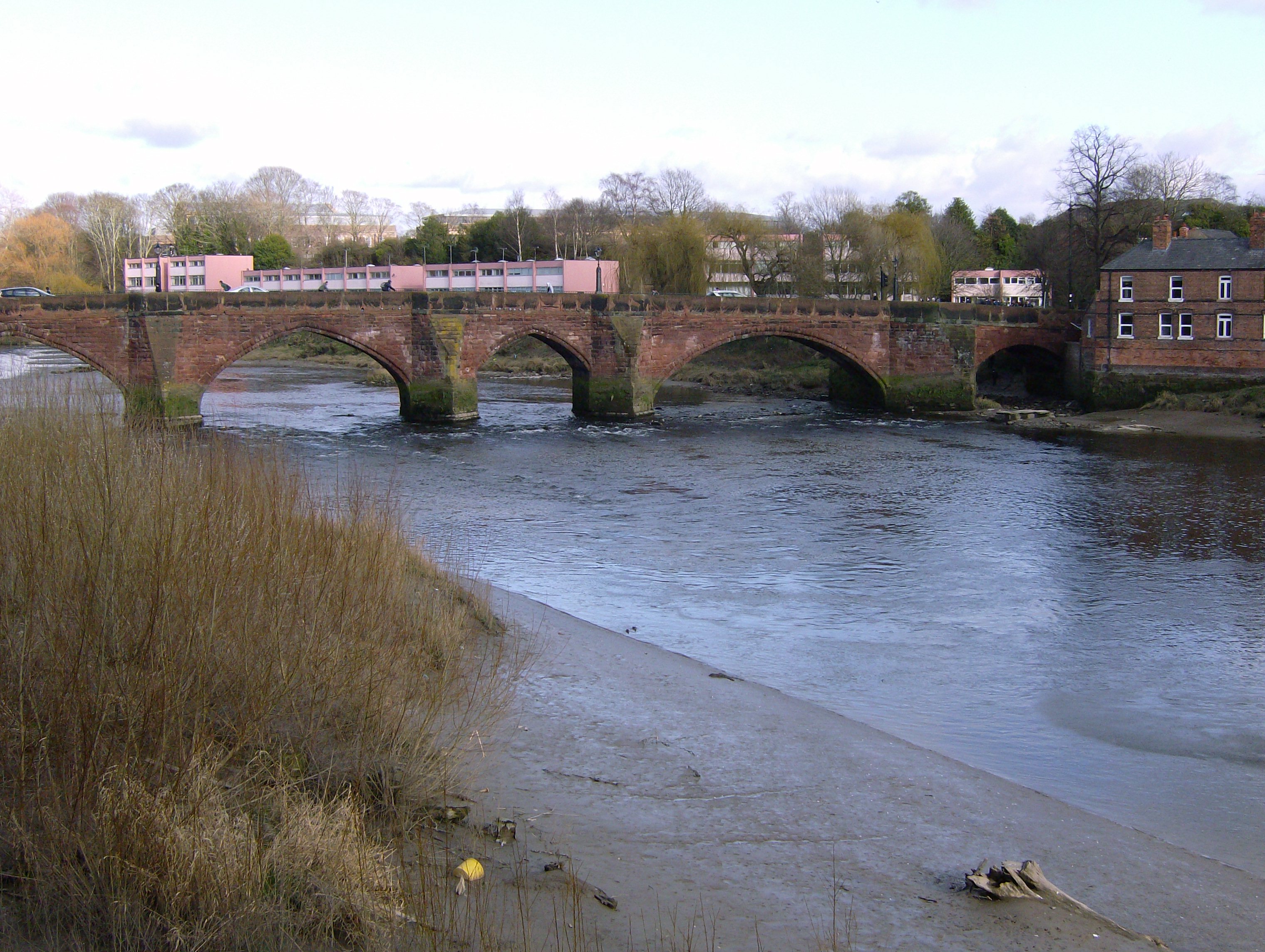
A Roman quay where the tidal River Dee once lapped at the city walls

We follow the Servian Wall to the Capitoline Hill and the Palazzo Venezia, notorious as the one time residence of Il Duce.


Mussolini era monumentalism perched on top of ancient Roman ruins

To the west of the city the Tiber acts as both a defensive line and a commercial artery.

View from Isola Tiberina

We walk through Chester, using a map of Rome as our guide, deliberately trying to subvert our experience of the city; and in doing so attempting to provoke an unconscious détournment in how we see the landscape about us.


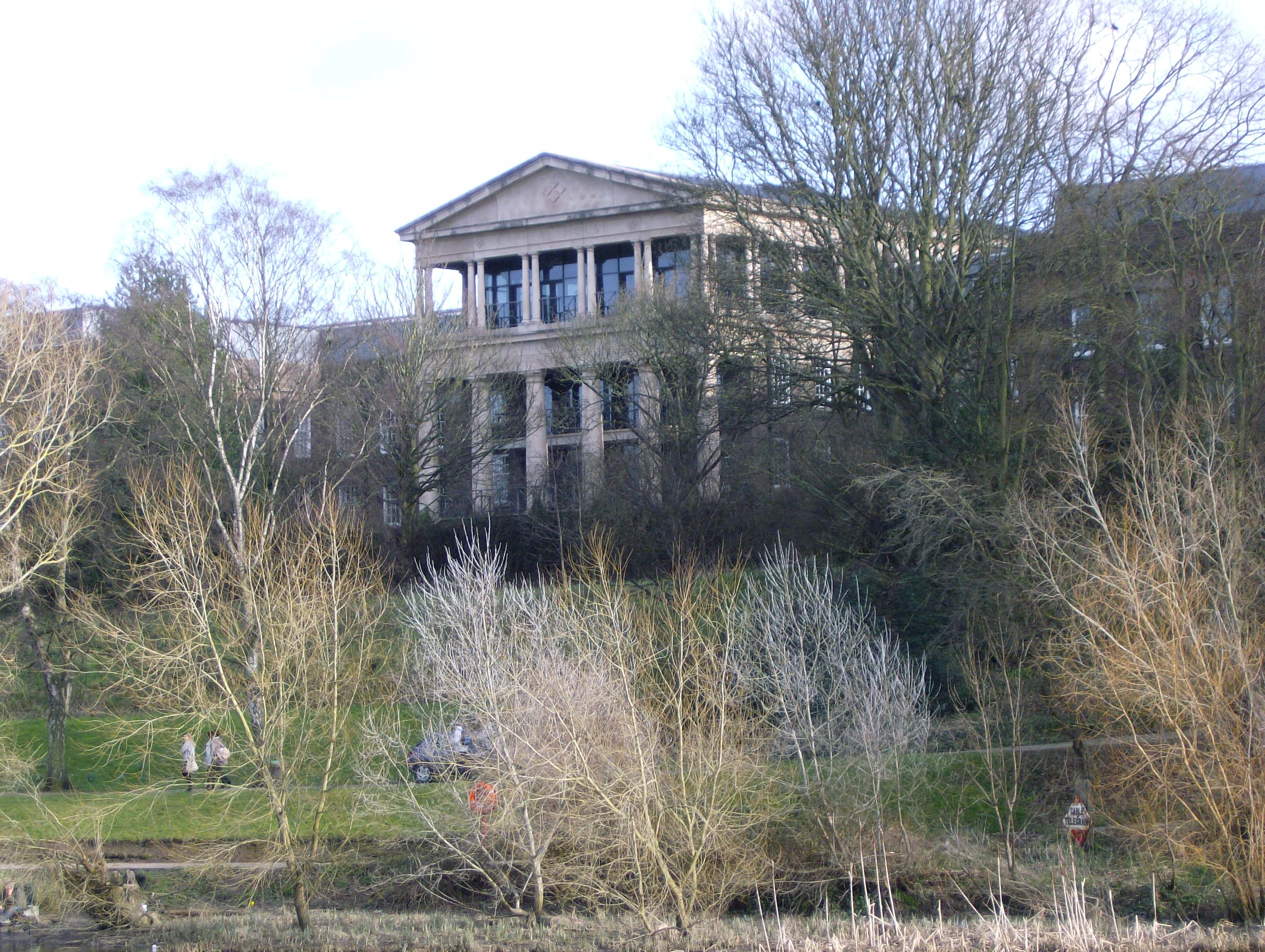
A temple dedicated to Diana

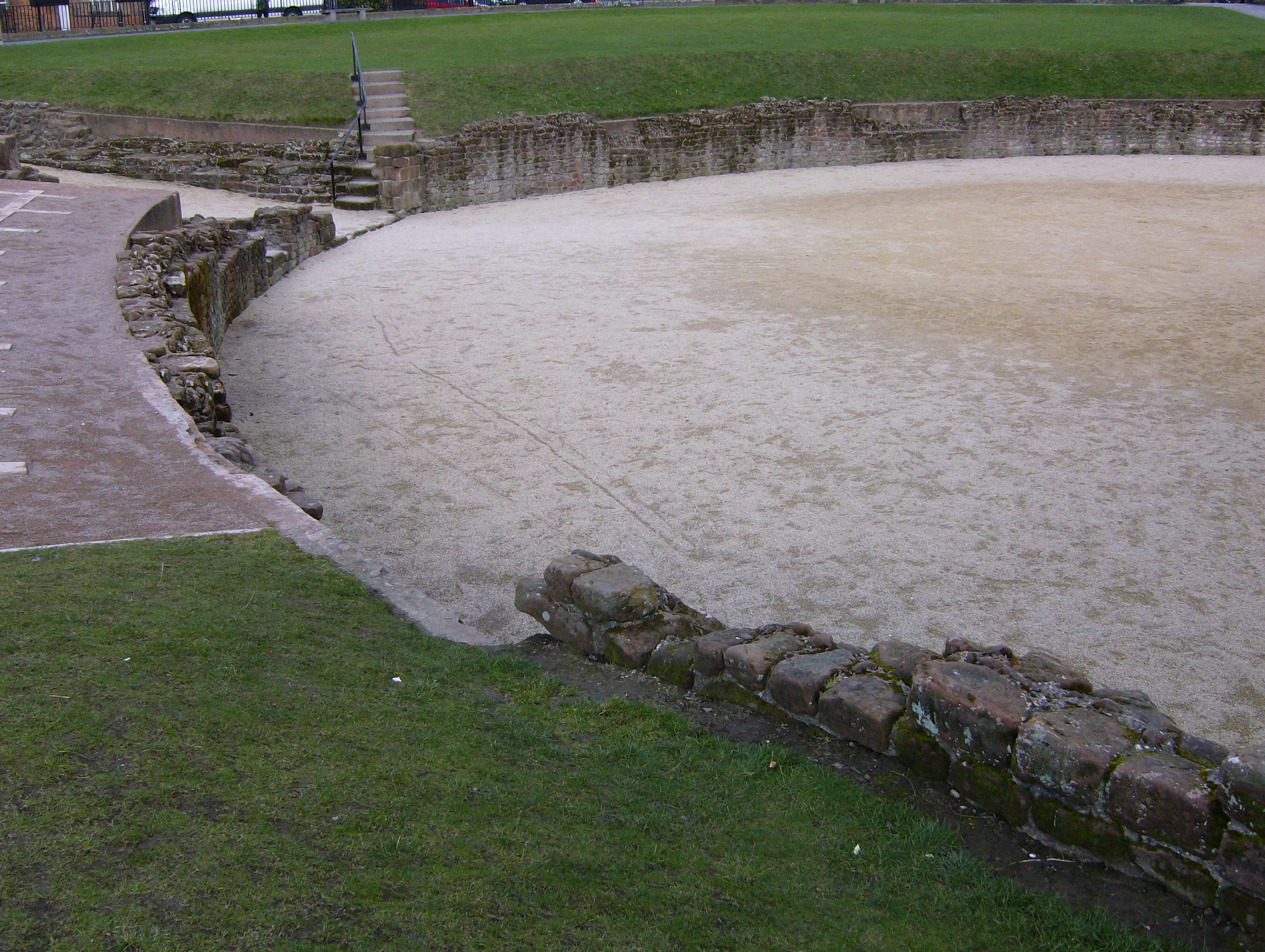
We end our walk at the Colosseum, scene of gladiatorial combat.  Chester’s amphitheatre these days borders a vast shopping precinct, another expression of the commodification of human desires.

  
The Colosseum
Posted in Home | Tagged , , | Leave a comment

March 2012

Welcome to Psychogeographic Review

A website that explores the art of psychogeography.  Each month we will publish a psychogeograpy-inspired Editorial, Book of the Month, Film of the Month and Website of the Month.

For March we bring you:

  • Walter Benjamin and The Arcades Project
  • Dorothy Richardson’s Pilgrimage
  • Chris Petit’s Radio On
  • Urban Adventure in Rotterdam

Follow the category tabs at the top of the page or on the right-hand column to find whichever item you are looking for.  Or just scroll down on the home page.

In coming months we will feature Shelagh Delaney’s Salford, a river journey by Bobby Seal in poetry and photographs, books by Iain Sinclair and George Gissing, Agnès Varda’s Cléo from 5 to 7 and reviews of the best in psychogeographic websites from around the world.

We’d also like to start including music reviews, so any suggestions from our ‘followers’ about artists, composers, bands or albums are welcome.

But Psychogeographic Review is not just about producing content.  We want to hear from you.  Your comments, criticisms, ideas and suggestions can be submitted at the end of each post or on the Contacts page. 

If you wish, we can also put you on our email newsletter list for free additional content related to the articles on the site.  We guarantee you will not receive any spam or advertising, nor will we pass your details to anyone else!


                                                                                  Bobby

Posted in Home | Tagged , , | Leave a comment

Book of the Month – March 2012 – Dorothy Richardson: Pilgrimage

Dorothy Miller Richardson is a sadly neglected writer. A number of feminist critics began to take up her cause in the 1980s, but I feel it is now time that those of us who class ourselves as psychogeographers should also speak up to encourage people to read her works.

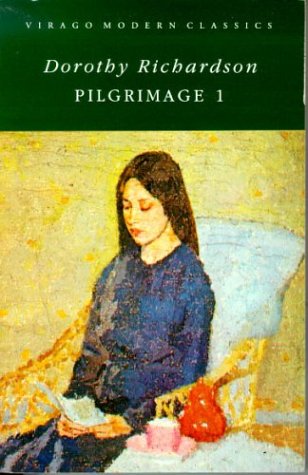
Pilgrimage Vol 1


Richardson was born in 1873 and died in 1957. Her seminal work was the sequence of 13 novels, published in 4 volumes, known collectively as Pilgrimage. Both in terms of its subject matter, the journey of one woman, and the amount of time Richardson invested in creating it, Pilgrimage can be regarded as her life’s work.

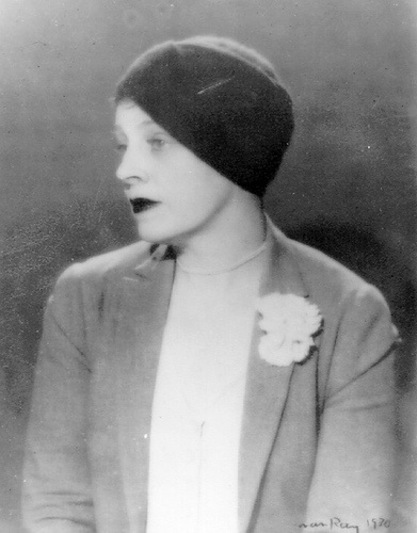
Dorothy Miller Richardson


Although born in Abingdon, Richardson is very much a London writer and, I would contend, a flâneur and a psychogeographer. New to London as a poorly-paid young woman, she walked everywhere. And as she walked, she looked, listened and absorbed, channelling her subjective impressions into her literature.

A contemporary of Virginia Woolf, Richardson was one of the early modernists. Until modernism took centre stage, there had been little or no literary depiction of urban street-life from a female viewpoint. Consequently, in terms of literary fiction, the ‘flâneuse’ was invisible and her narrative was silent. Richardson and Woolf were the key figures responsible for creating a fiction in which women characters were free to journey through and explore the streets of the city, and in doing so to delve into their own consciousness.

Pilgrimage is written from the viewpoint of Richardson’s protagonist, Miriam Henderson. She is represented as being an avid reader who looks through the words of the novels she reads to find meaning, but gradually begins to focus on the words themselves. Miriam switches from looking through the mirror to looking at the mirror and its frame. In the volume entitled The Tunnel, Richardson charts Miriam’s journey through a period of depression. Miriam struggles with the canonical texts of science and literature; rejecting the standard masculine approach but finding it difficult to develop an understanding of a feminist alternative. Pilgrimage represents Miriam’s (and by implication Dorothy Richardson’s) journey to a greater understanding of herself and of female consciousness in general.

Richardson with Alan Odle


Richardson should be considered as very much a metropolitan writer. Seven of the thirteen novels of Pilgrimage are set in the streets of Bloomsbury. The critic, Jean Radford, argues that Richardson ‘uses the city of London to represent the mind and the body of a woman’, thereby turning the streets of the city into ‘materialised history’. In other words, the city is merged into the very psychological make-up of Miriam.

As if to reflect the ever-changing nature of the modern city, Pilgrimage is written in a style that is very different from anything written before. Another contemporary, May Sinclair, described it as a ‘stream of consciousness’ novel; a term which Richardson never fully accepted.

Richardson was dissatisfied with the form of both the romantic and the realist novel. She wanted to write a novel based on her own life experiences, but to transmute it into something different by seeing it through the eyes of her protagonist, Miriam. Miriam’s voice was to replace Richardson’s. But clearly, there was still a narrator behind that voice. Richardson’s great achievement was to develop a new way of expressing her responses to the world that she saw about her. She was a modernist and a feminist. Pilgrimage has been described as the first full-scale impressionist novel.

The chronology of the thirteen volumes of Pilgrimage is interesting in that, although the events of Miriam Henderson’s life are presented chronologically, her understanding of these events – her inner journey – does not always follow this time sequence. Her psychological, and spiritual, development has a temporality of its own. Miriam’s consciousness, Richardson would argue, is emblematic of that of women as a whole.

In essence, Richardson’s London represents the maternal, and The Tunnel and Interim mark the development of a feminist critique of the patriarchal world Miriam lives in. It is her break from the lingering influence of her father. Up until this point the notion of a psychological journey, a pilgrimage, had been seen by writers in entirely male terms. The development of psychological theories and the increased freedom for women to wander through the modern city fed into the fiction of Richardson.

From Charles Baudelaire, through to Georg Simmel and Walter Benjamin, much of the critical analysis of urban life has been overshadowed by the figure of the flâneur. This concentration on the leisured, male idler of the urban public sphere, however, has given what might be regarded as a very gender specific colouring to much of the best known work on this subject. Most of the feminist criticism that has taken place since the 1960s, on the other hand, has been concerned to explore the gendered dimensions of city life and has challenged the specifically male account of flânerie. This work has added much needed questions of feminine and masculine identity to considerations of modernity in the city.

Richardson’s Miriam Henderson can certainly be described as a flâneuse. Miriam’s pilgrimage is a very personal one; a journey into her own consciousness. Her struggle to establish an independent life for herself frequently requires her to cross boundaries of gender and class. Richardson’s descriptions of Miriam’s walks through London constantly involve her in crossing roads, bridges and railway lines, as if to mirror her crossing of boundaries in her inner pilgrimage. Yet she finds the solitude of the street strangely soothing and less challenging than the other encounters in her life. Although Miriam closely observes the people she passes on the streets, she never seems to feel part of the crowd.

So I urge you, please don’t let Dorothy Richardson’s works lie neglected. Read Pilgrimage and let it take hold of you. The London streets Miriam/Dorothy walked are still there, as are many of the buildings she frequented. Why not walk those streets with her?

Posted in Home | Tagged | 6 Comments

Film of the Month – March 2012 – Radio On

We are the children of Fritz Lang and Werner von Braun. We are the link between the 20’s and the 80’s. All changes in society passes through a sympathetic collaboration with tape recorders, synthesisers and telephones. Our reality is an electronic reality.

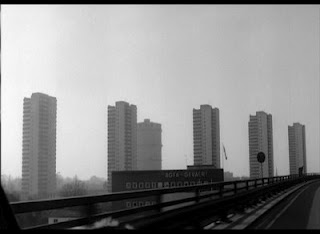
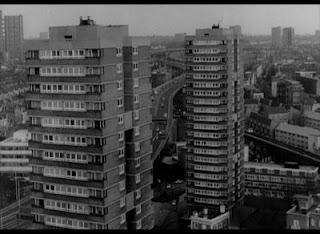
I first saw Radio On in 1979.  I knew nothing about the film at the time, but a trailer I saw at a local arts cinema a week or two before the film was screened captured my imagination.  It was a tracking shot, in grainy black and white, from a car speeding along the Westway to the soundtrack of Bowie’s Always Crashing in the Same Car.  Tower blocks, a flyover, crash barriers, a gasometer; a feel of dirty modernity.  Something about the sound of the music of David Bowie in his Berlin phase, the sight of the bleak urban landscape of West London and the sensation of the speed and movement of the car caught hold of me and has never really let go.

 This is the original British road movie and, for me, it is yet to be equalled.  Radio On was directed by Chris Petit, former film critic of Time Out, disciple of Wim Wenders and just returned from self-imposed exile in Germany.   Petit’s eyes explore the urban landscape of Britain in the late 1970s with a German sensibility.  Indeed, he uses Wenders’s cameraman, Hans Schmidt, to shoot the film in monochrome.  The post-punk soundtrack of the film – Bowie, Kraftwerk, Lene Lovich, Graham Parker and the Rumour, Devo – perfectly captures the grey anxiety of that time.


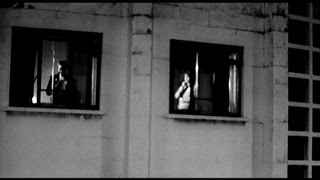
The film concerns a car journey from London to Bristol by a man who wants to find out how and why his brother died.  As he travels he plays the compilation tape his brother sent him for his birthday. He engages briefly with a number of different socially detached people he meets on the road.  Among them an Eddie Cochran worshipping garage attendant, played by a young Sting.  But it’s not the plot that provides the main interest in Radio On, nor is there much development of character.  The real subject matter is the landscape of 1970s Britain.  And the star is the camera.


Dir. Chris Petit

UK-Germany 1979 | Black & white | 104 mins

Cast: David Beames, Lisa Kreuzer, Sandy Ratcliff, Sting

(Stills, video clip and film poster courtesy of Bfi and Chris Petit)


Posted in Home | Leave a comment

Contact Details

My name is Bobby Seal and I’m a freelance writer, poet and psychogeographer.

My passion is walking and exploring the unloved margins of our towns and cities.  For me, this exploration is an imaginative process and not just a material one.  I have created this blog to share my passion.

I’d love to hear from you, discuss with you and link with your work.  Why not email me.

[contact_form]

Posted in Contact | Tagged | 7 Comments