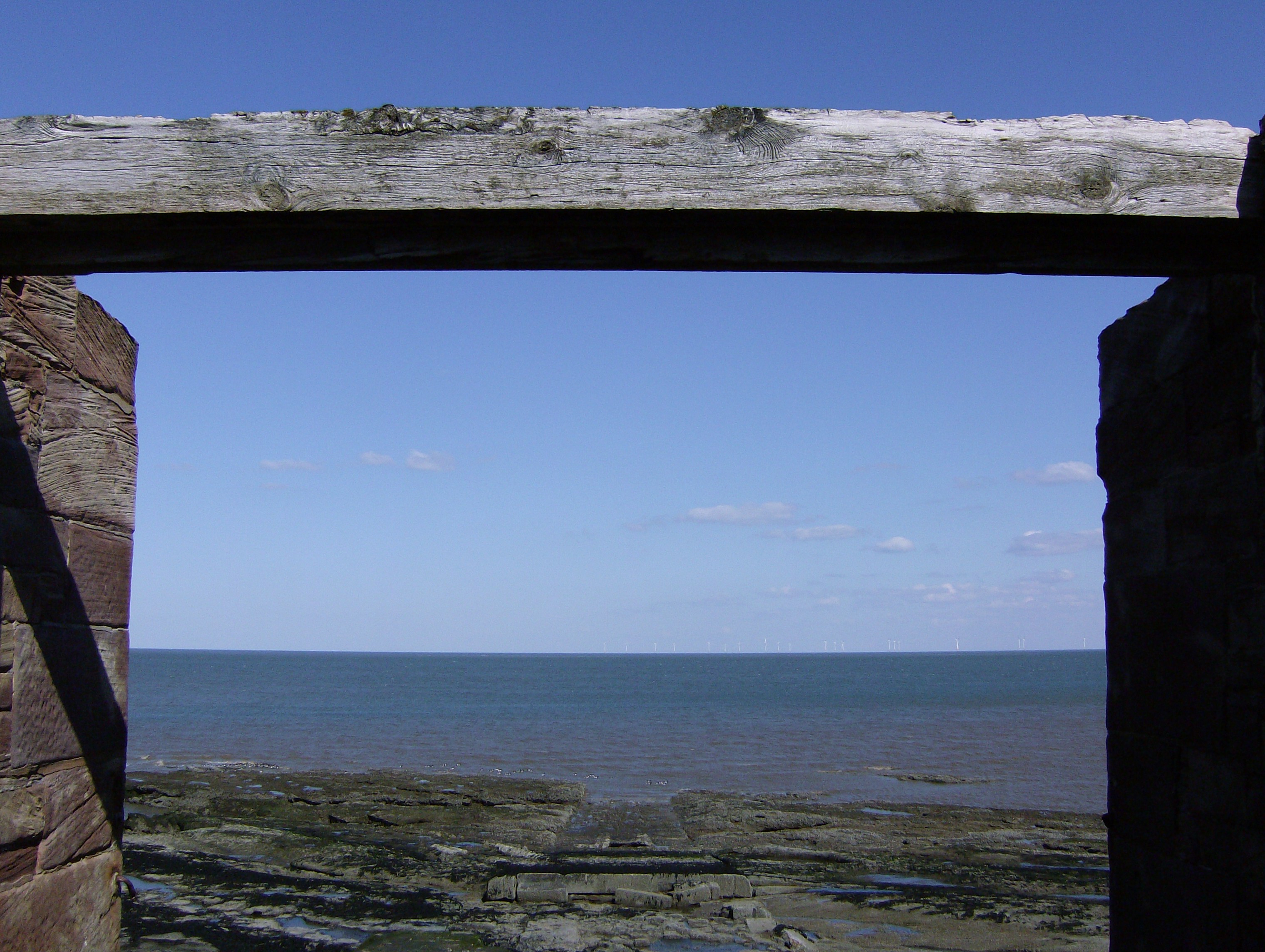
The Chalets of Farndon

This gallery contains 66 photos.

  The chalet colony, through which I walked with Anna on that bright morning, was larger and more cheerful than the neighbouring villages.  Nobody needed an expulsion order to move in. ‘Ghost Milk: Calling Time on the Grand Project’ – … Continue reading

More Galleries | 21 Comments

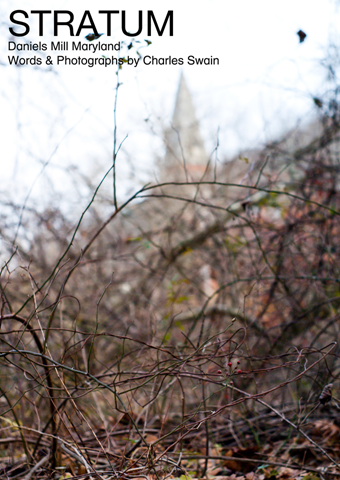
STRATUM

This month we’re pleased to present a guest post by a friend of this blog, Charles Swain.  We hope you’ll agree that Charlie’s photographic essay provides some stunning images and impressions of a recent visit to an abandoned industrial town in Maryland, USA.

Charlie has put together an e-booklet of this piece and we will be sending a PDF of the booklet to all our email followers so that they can enjoy his pictures in their full glory.  We can also send it to anyone else on request and free of charge.

Charles Swain, by the way, runs Travin Systems.com/Travin Systems Records ‘providers of rural oddness and spa town lariness through writing, photography and techno.’  His site is definitely worth a visit:

www.travinsystems.com

Posted in Home | Tagged , , | Leave a comment

STRATUM – a guest post by Charles Swain


image


Along a shelving bank of turf, which lay
Under a copse, and hardly dared to fling
Its green arms round the bosom of the stream,
But kiss’d it and then fled, as thou mightest in dream.”
A Dream of the Unknown by P.B Shelley


Situated in one of the heavily wooded pockets that seem to make up the majority of Eastern Maryland’s state parks lies Daniels Mill (previously Alberton and marked upon the map as Daniels).

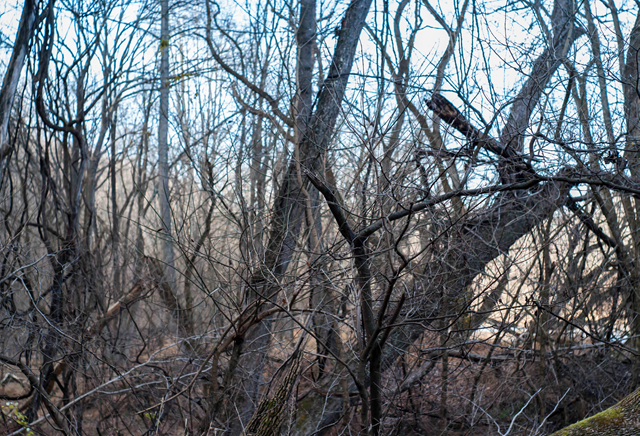
Practically the entire state was once covered in forest before the arrival of European settlers and Colonial Lords who found that the oak and white pine were particularly useful for shipbuilding and quickly press-ganged them with saws and nails into a new life on the sea.  Clearance for farming and tobacco was always quite popular as well.  This is not to say that Maryland is now barren of trees.  The state is rife with them.  Only now a thickly braided net of urban development has been cast over their crowns and between their trunks.  At least in the populous DC/Baltimore area the woodland has been cut up into pockets of rich verdure or stark timber and it is in one of these that Daniels Mill sits.

image

Heading towards the village we drive past petrol stations with their breeze block back walls pushed up against dry winter woods.  We see large manicured lawns separated from the messy forest floor only by fence-posts and finally descend into the tangle of undulating blacktop that carves through the valleys and ridges of the upper Patapsco.

image

image

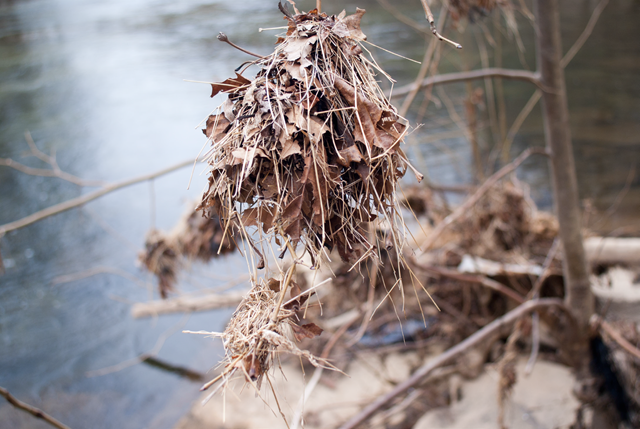
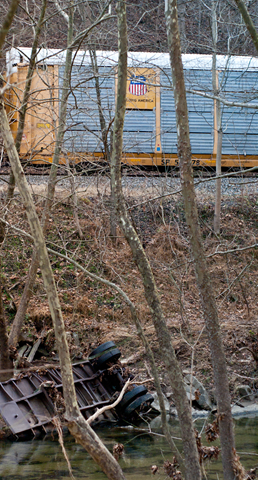
We park the car down by the side of the river and follow a muddy tarmac track (once Alberton Road) that clings to the side of the river.  The river is wide and shallow at this point and separated from the path by a meadow of tangled long grass-strewn with broken branches of the wiry trees that populate it.  On the other side sits the railway on top of a small rise.  The train approaches.  It’s long and takes over fifteen minutes to pass.  Carving through vast tracts of countryside day in and day out glimpsed only occasionally by humanity,its bright coloured lettering a moving billboard for the birds and bears.

image

Further on we catch site of an overturned van sticking out of the greenish water.  The skeletal struts of its chassis revealed like the exoskeleton of a upturned beetle, burnt umber in places by rust.

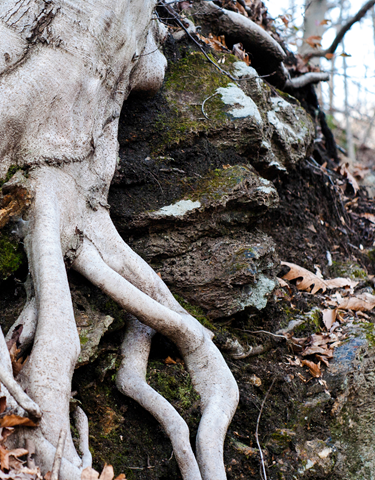
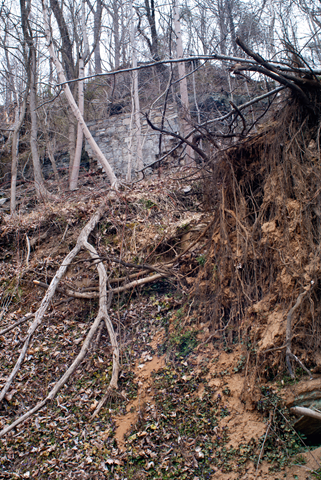
The path weaves around to the right and on a highish ridge above us stood rows of winter beech.  Tall and stripped of their leaves, their bark a dry and bright silver like the colour of some volatile metal that must be kept constantly in oil.  From time to time the exposed root structures of these giants crept silently towards the path, coiled round mounds of earth and stone in search of stability and nourishment.

“They look like dead octopi” voiced my companion “Touch its papery skin”.

Suffice to say I declined and we moved on.

image


image image

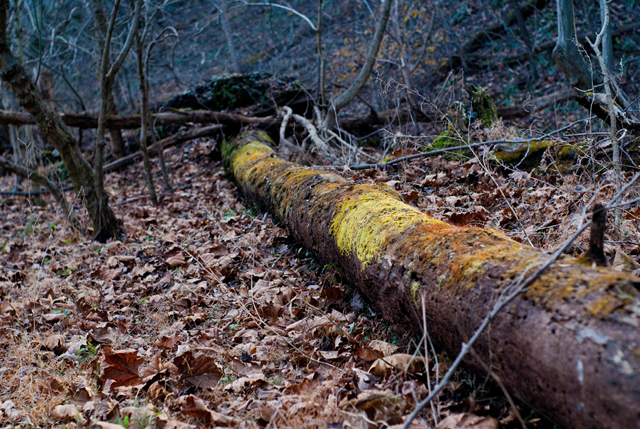
The path took another bend and the former riverside meadow was replaced by wide sand banks that fanned out into both the path and the river.  Here and there brightly covered moss draped fallen trunks in Sylvan opulence.  To visit the area at the tail end of a hot Atlantic summer would be pleasant.  The lush greenery of the sloping forest running into warm sand skirted by an opalescent stony river all cast in the mellowing hues of the late sun’s rays.

image


image

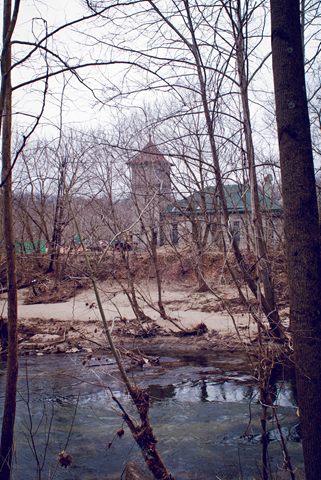
The body of Daniels Mill is on a slight raise in the land.  A humped wooded knoll lays at its back and the river draws a horseshoe around its feet.  The most striking remnants of the 19th century mill village are a gothic,red tiled spire and a brick smokestack rising up from the main mill complex.  A wooden cupola once crowned the main mill building but this was airlifted to safety to protect against flood in a somewhat ostentatious move of historical preservation.   A small welding firm had apparently appropriated the land where the workers’ houses once stood and had erected some low, tin-roofed huts.

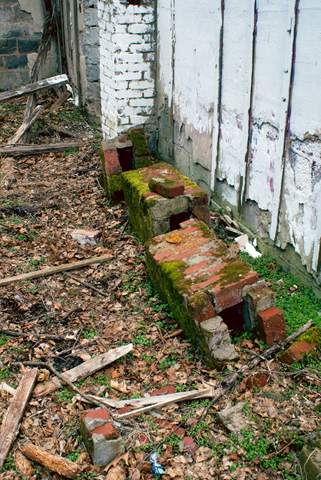
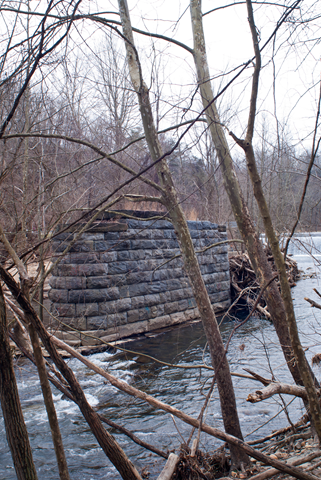
We walked a little further along the path following the curve of the river around the village.  We came upon two stone bridge supports,stranded in the narrows.  The railway or road it once shouldered long removed and transferred to the iron train crossing a little further on.  Passing some stone foundations, the outline of an old white chapel defined itself through the trees.  Only the wood and plaster frontage and parts of walls still stood.  The floor of the nave had fallen in, exposing a old rusting boiler and there was remains of brick chimney work, vibrant with green moss in the vestry.  We took some portraits using the glassless windows as frames and moved on.

image

image


Topping a slight incline we came to the terminus of the ephemeral town.  A large stone weir that had obviously been the mill’s power supply.  A fly fisherman flicked his brightly coloured lure at the curtain of water and glanced up at another church on the knoll.  A solid edifice of Victorian revival, built in 1880, that had survived the closure of the mills and dismantling of the town and the hurricane that swiped most of what was left away in 1970’s.

image

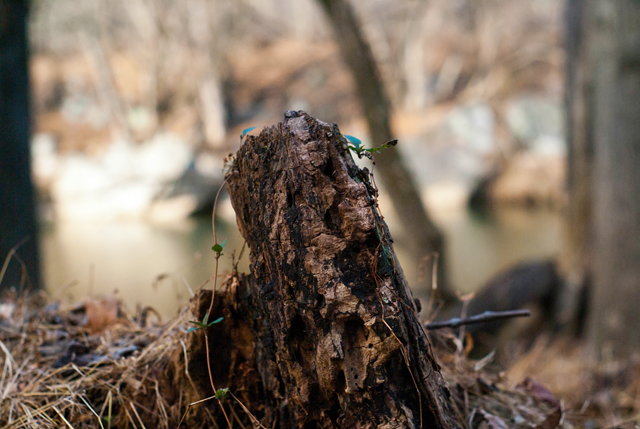
The valley and the village where composed of various layers.  A layer of industrious settlement balanced precariously on the forest floor propped up with numerable places of worship and then torn down by the caprices of man and nature.  The dismal winter forest glistened with glimpses of the approaching spring and summer and was scattered with Arthurian scenes.

A low fog began to ascend from the valley and my companion became talkative as we headed back to the car.

image

image


Charles Swain runs Travin Systems.com /Travin Systems Records – providers of rural oddness and spa town lariness through writing, photography and techno.

www.travinsystems.com

Posted in Home | Tagged , , | 2 Comments

Winstanley: A Vision of Albion


In the end it all gets back to land. Looking back, I see that a link that runs through my life concerns the right to land and property on it. Shared out equally, there would be a couple of acres for every adult living in Britain. That would mean each family or group could have a reasonably sized small holding of ten or twenty acres and learn once again to become self sufficient. The present day reality is the reverse, with some folk owning hundreds of thousands of acres and others owning none. There’s talk of community in war time. We can be ordered to go and fight and die for Queen and country. In peace time is it too much to ask for just a few square yards of our green and pleasant land to rear our children on? That’s all we want, myself and the squatters and travellers and other people in the many projects I’ve been involved with. Just a few square yards of this land that we can in wartime be asked to go out and die for. And if we ever achieve that, what else? What else is what I call the Vision of Albion.

Sid Rawle – activist and organiser of squats, communes and music festivals


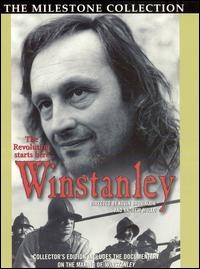
Winstanley is a 1975 film directed by Kevin Brownlow and Andrew Mollo.  It received a very limited release at the time and was all but forgotten in subsequent decades.  A BFI Southbank revival and DVD release in 2009, however, went some way to restoring the reputation of Brownlow and Mollo’s work as a thought-provoking examination of Gerrard Winstanley and the English Revolution.

Winstanley

Winstanley is a film that cuts through the ‘roundheads versus cavaliers’ knockabout that so much of our popular understanding of the English Civil War has become and reminds us of the titanic political forces that the conflict released.  Gerrard Winstanley was a political activist who, with a group of fellow Diggers, occupied St George’s Hill in Surrey in April 1649 with the aim of setting up an agrarian commune.  The same St George’s Hill that is now that most desirable of Home Counties locations and was once home to John Lennon.  ‘Imagine no possessions’.  Indeed, John.

This is a flawed film.  To ensure historical accuracy, much of the dialogue used by the actor playing Winstanley is based on the historic Winstanley’s published speeches, which often gives the action a somewhat wooden character.  The fact that it was also made on a very limited budget and with an amateur cast tends to show through too.

But despite all of this, the central performance by Miles Halliwell, an unknown actor and school teacher, still manages to bring startling passion and genuine warmth to the part.  Kevin Brownlow creates a vision of an England in turmoil and presents it in stark monochrome beauty, while Andrew Mollo pays painstaking attention to the historical accuracy of all the clothing and uniforms in the film, even going so far as to borrow armour from the Tower of London.  The directors also managed to find a part in their film for Sid Rawle, who plays a charismatic Ranter.  In other words, he plays himself.

Brownlow and Mollo had worked together before; as teenagers they made a film called It Happened Here, a vision of an imagined Nazi-occupied Britain, for just £5,000.  In 2011 Brownlow was interviewed about his work at a BFI/NFTS event.  The interview is available here.

Winstanley’s aim was to free up Britain’s common land for the poor and landless so that they were able to grow their own food.  To give access to land for those who had no land of their own before Cromwell’s revolution, nor indeed after it.  The St George’s Hill commune lasted just five months; Winstanley and his comrades were forced to move on by militia men and local thugs hired by the landowners whom the Diggers’ occupation threatened.

But surely everything is different now?  We have the ‘right to roam’ on any uncultivated land in our countryside and our land-owning aristocracy are corralled mainly into National Trust-administered reservations.  Not so, according to the 2010 Country Life magazine report ‘Who Owns Britain?’  The report highlights the following facts:

  • Just 0.6% of Britain’s population own 50% of our rural land;
  • Of this land-owning group, the vast majority of land is in the hands of a core of 1,200 aristocrats;
  • The top ten biggest individual owners control over a million acres between them;
  • The biggest individual landowner is the Duke of Buccleuch and Queensbury with 240,000 acres; and
  • Large corporate and financial interests are fast moving into rural land ownership.

Gerrard Winstanley would, no doubt, turn in his grave if he knew how little change there had been in land ownership since his time.


The sin of property
We do disdain
No man has any right to buy and sell
The earth for private gain
By theft and murder
They took the land
Now everywhere the walls
Spring up at their command

                   Leon Rosselson – ‘The World Turned Upside Down’

Posted in Home | Tagged , , , , , , , , | Leave a comment

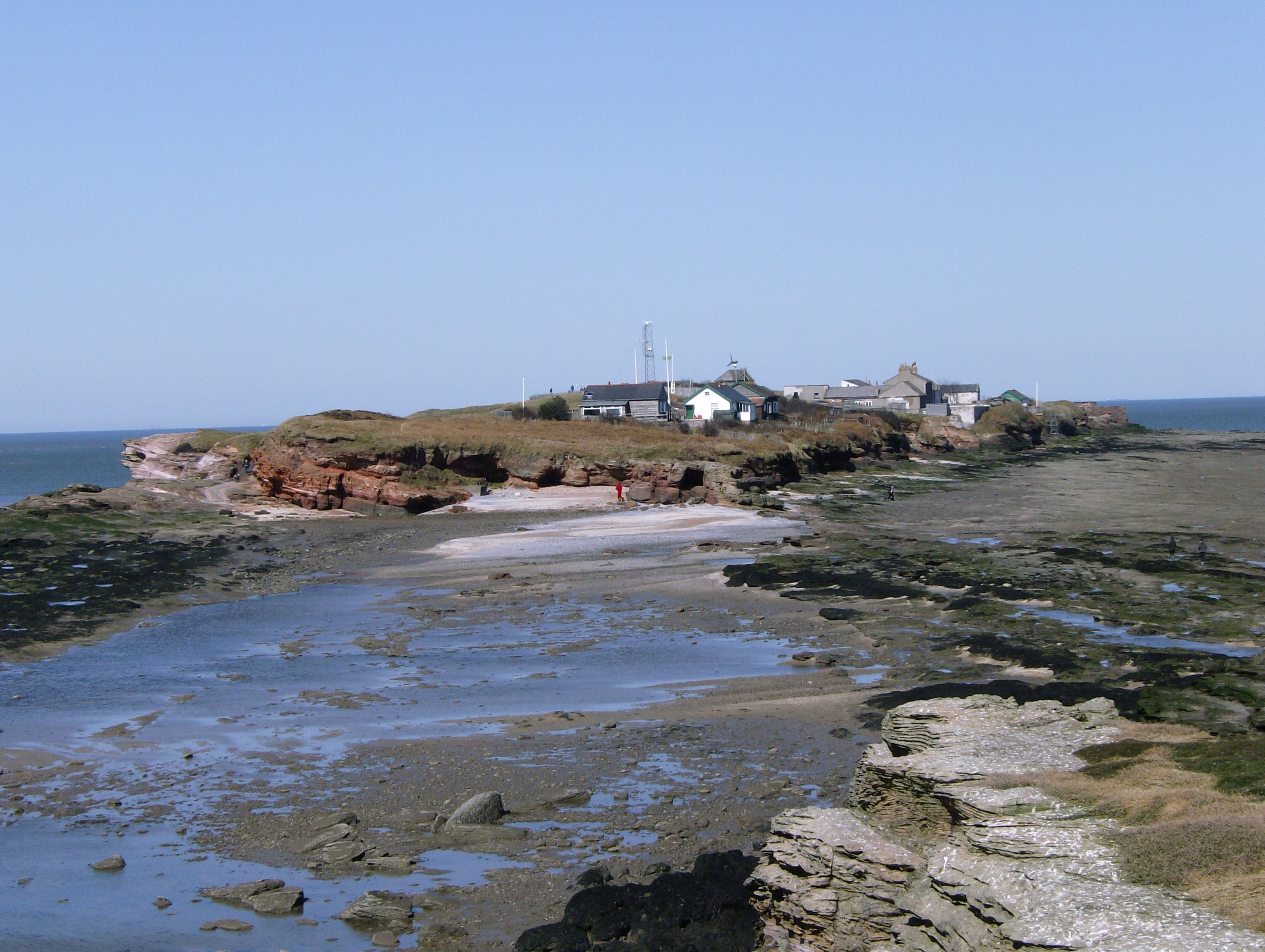
Hilbre: Sand Ripples and Worm Casts

Low tide. bright sunshine and a bracing wind from the west – a perfect morning to walk over the sands to Hilbre in the Dee estuary.  Something about the angle of the light at this time of year seems to make the outlines softer and colours warmer.  I take pictures and make notes. The novel, the one I’m working on, will open right here.

Approaching Hilbre from Middle Eye

Approaching Hilbre from Middle Eye


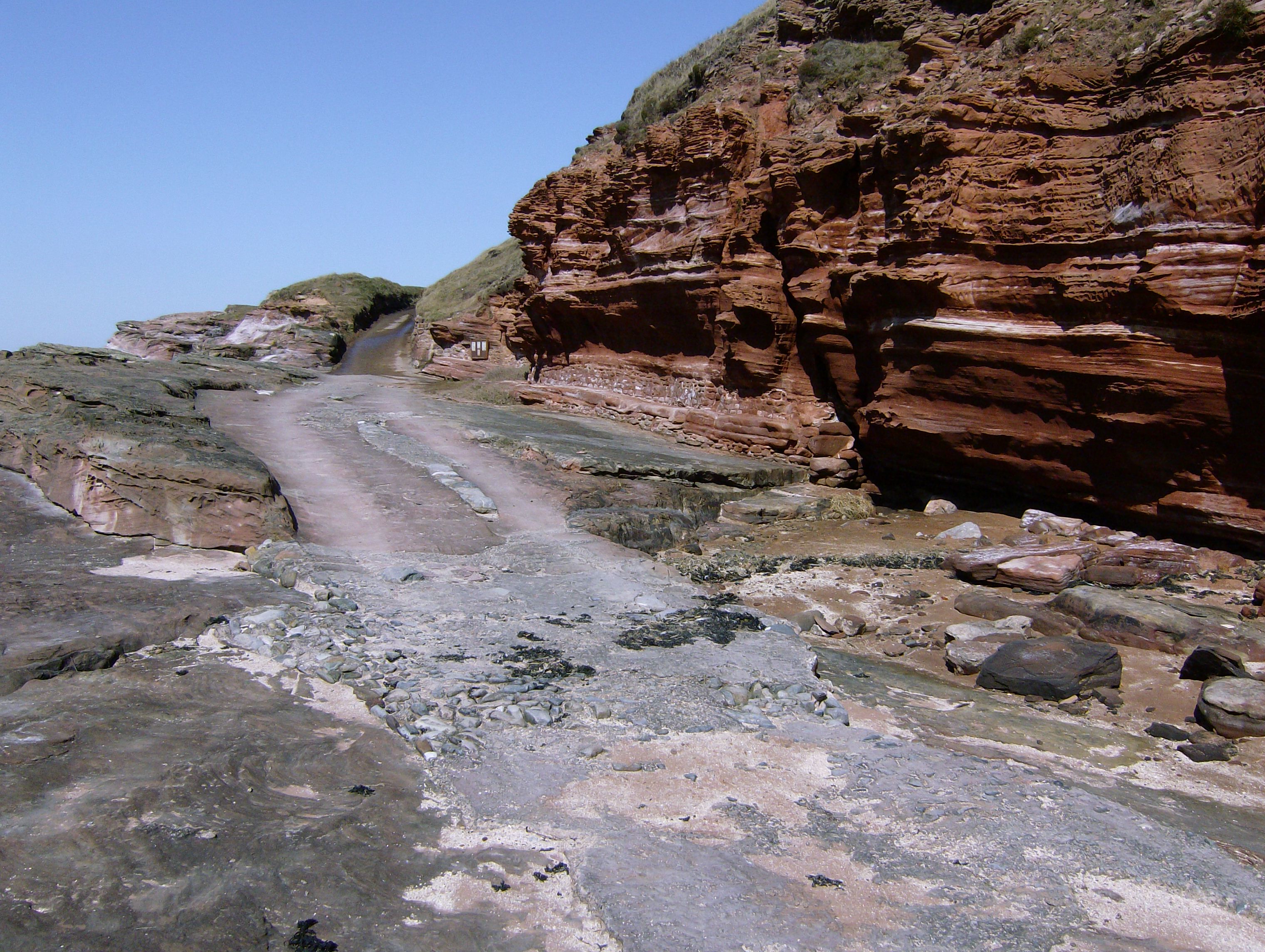
The Slipway

The Slipway


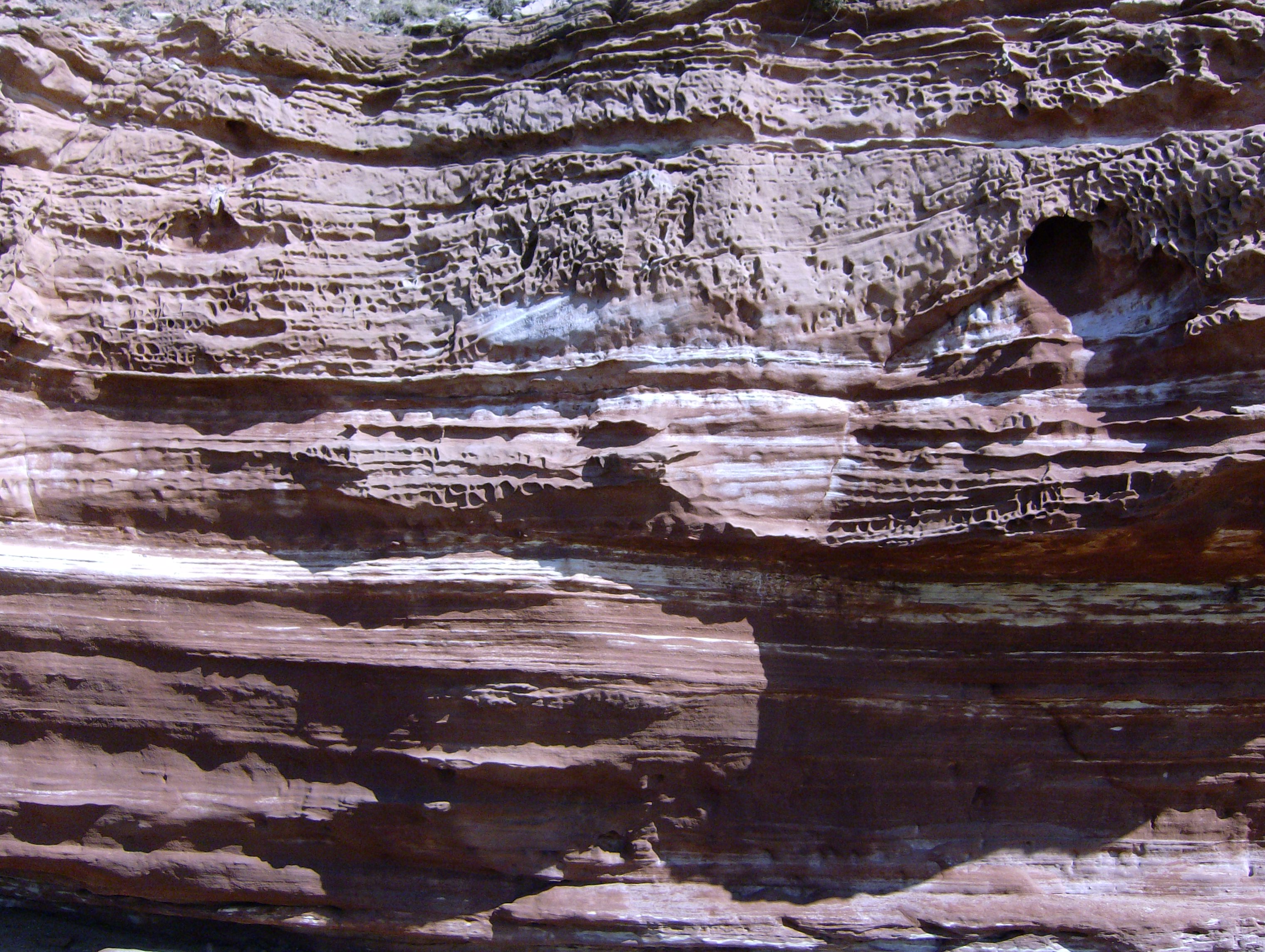
Stratified

Stratified


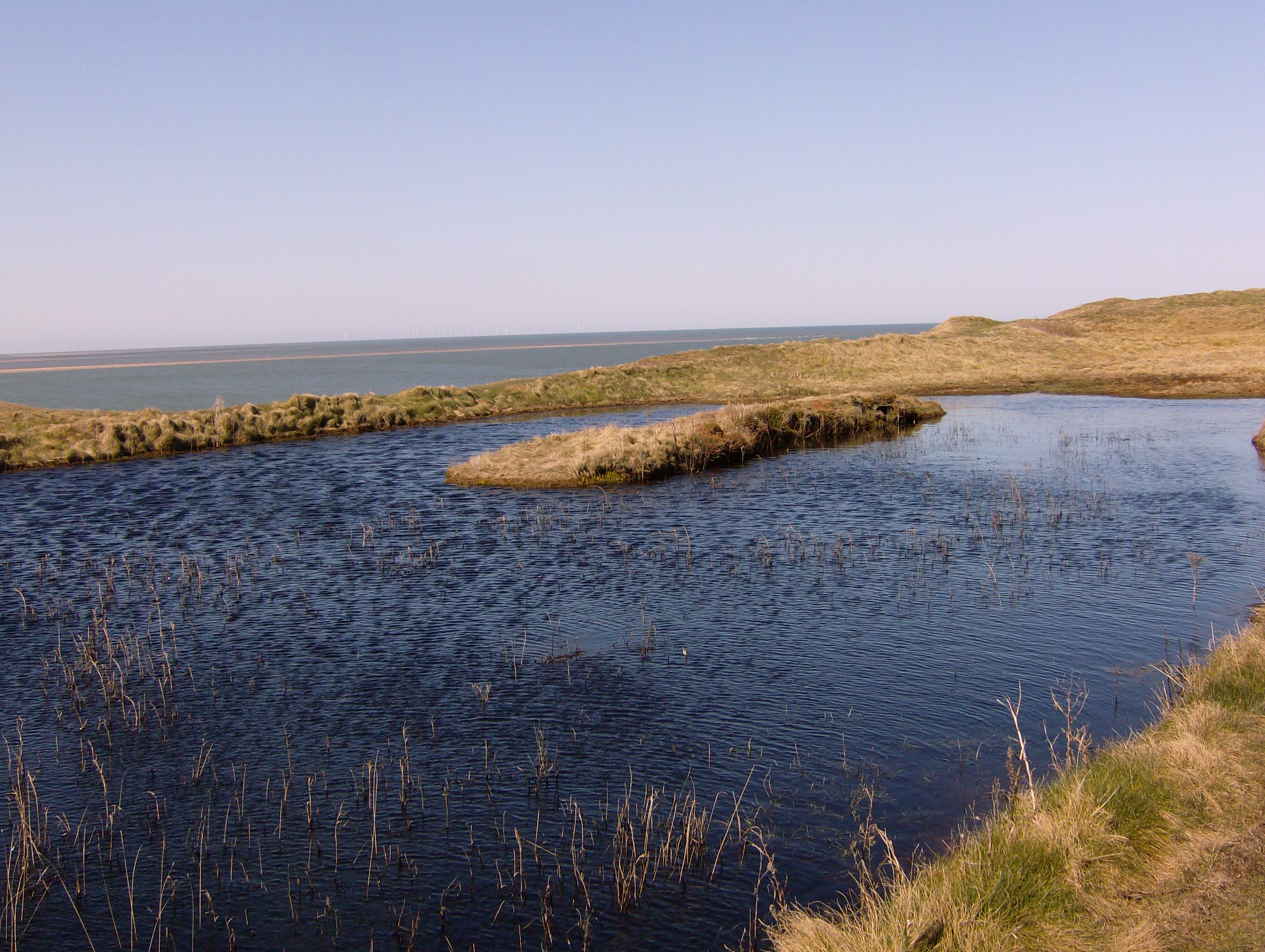
Hilbre Pond

Hilbre Pond


At the very tip of the island he came upon a ruined lifeboat station made from blocks of local sandstone.  Though badly weathered and roofless, he was amused to find inside a near perfect fireplace carved from sandstone.  Beyond the ruin was a small causeway jutting out into the sea.  He gazed out at the sea, tongues of which were already lapping about his rocky perch.  The tide had turned and was beginning to come in.  Soon the island would be cut off until the next low tide.  To the west was the shoreline of Wales and, beyond that, the hazy outline of Snowdonia.  He felt the sun on his back drying the sweaty dampness of his shirt.

Lifeboat Station

Lifeboat Station


Observation Post

Observation Post


Hilbre, it was clear to him from his vantage point, guarded the seaward approach to the River Dee.  Her cliffs, layers of weathered red and yellow sandstone came to a point just here.  Sitting there, facing the Irish Sea, he felt like he was on the prow of a ship; an old battered ship maybe, but one which had stood proud and determined against all the incoming assaults the sea could throw against it.  The sandstone seemed very familiar to him.  Familiar not so much because of any previous visit to Hilbre but, it suddenly occurred to him, because this was the local stone was used on so many of Liverpool’s older buildings.  In a literal fashion, he mused, the masonic sandstone grounded Liverpool into the bedrock of its bluff along the side of the Mersey.

Captain's Log

Captain’s Log


He was walking along the cliff-top of the eastern edge of the island now.  He stopped and faced the water.  To his left was Hoylake and, at the very tip of the Wirral peninsula, the Red Rocks.  He switched his gaze to the right, tracing the line of sand dunes as far as West Kirby with its marina and the slipway where he had started his walk.   But the huge expanse of sand he had walked over was now gone.  In its place, but for the odd sandbank, was an expanse of grey water.  And clearly the tide was coming in quickly; foamy waves were already lapping at the few remaining stretches of sand.  He’d set out too long after low tide and had missed his opportunity to walk back over the sands.

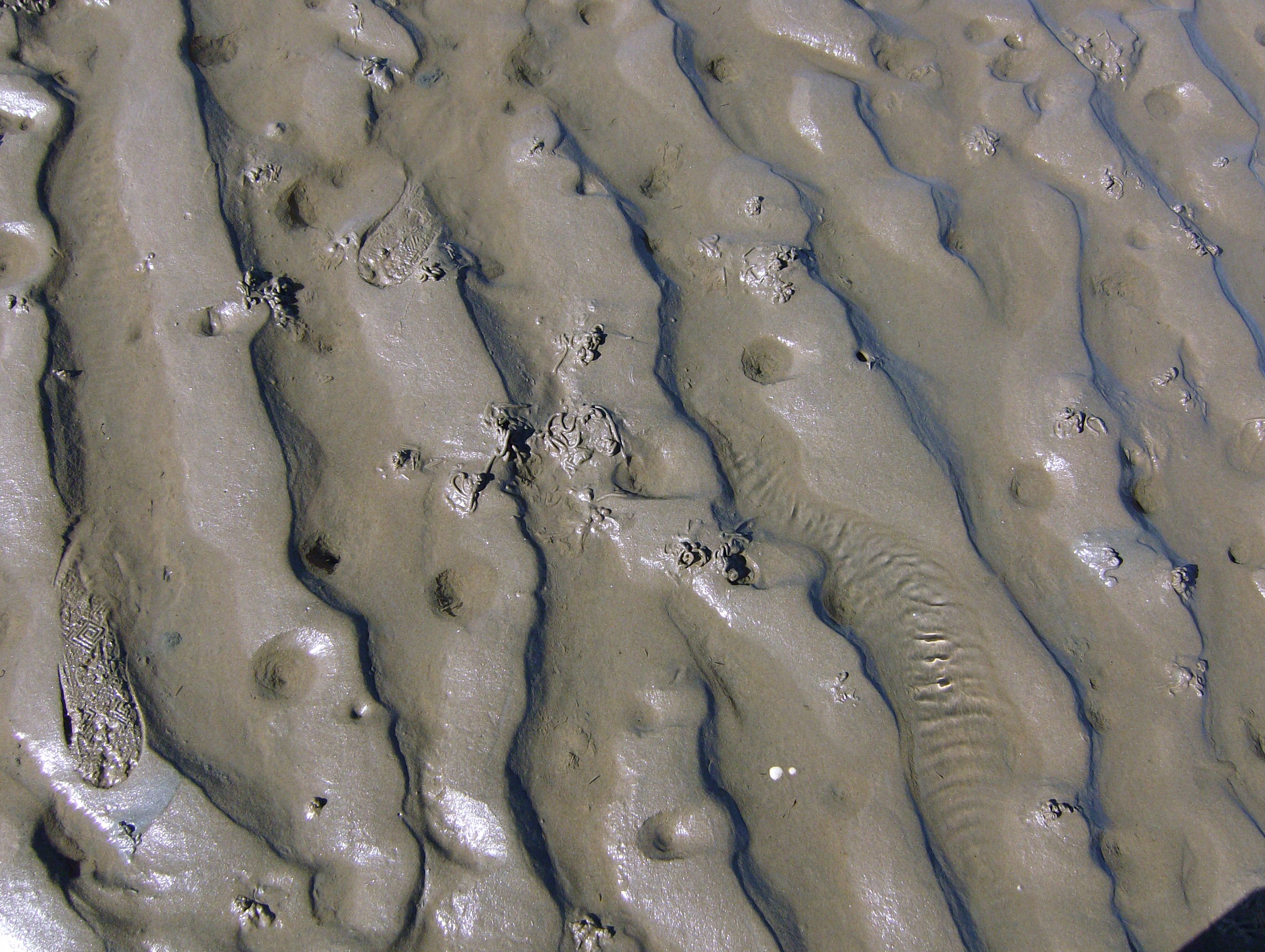
Sand Ripples and Worm Casts

Sand Ripples and Worm Casts


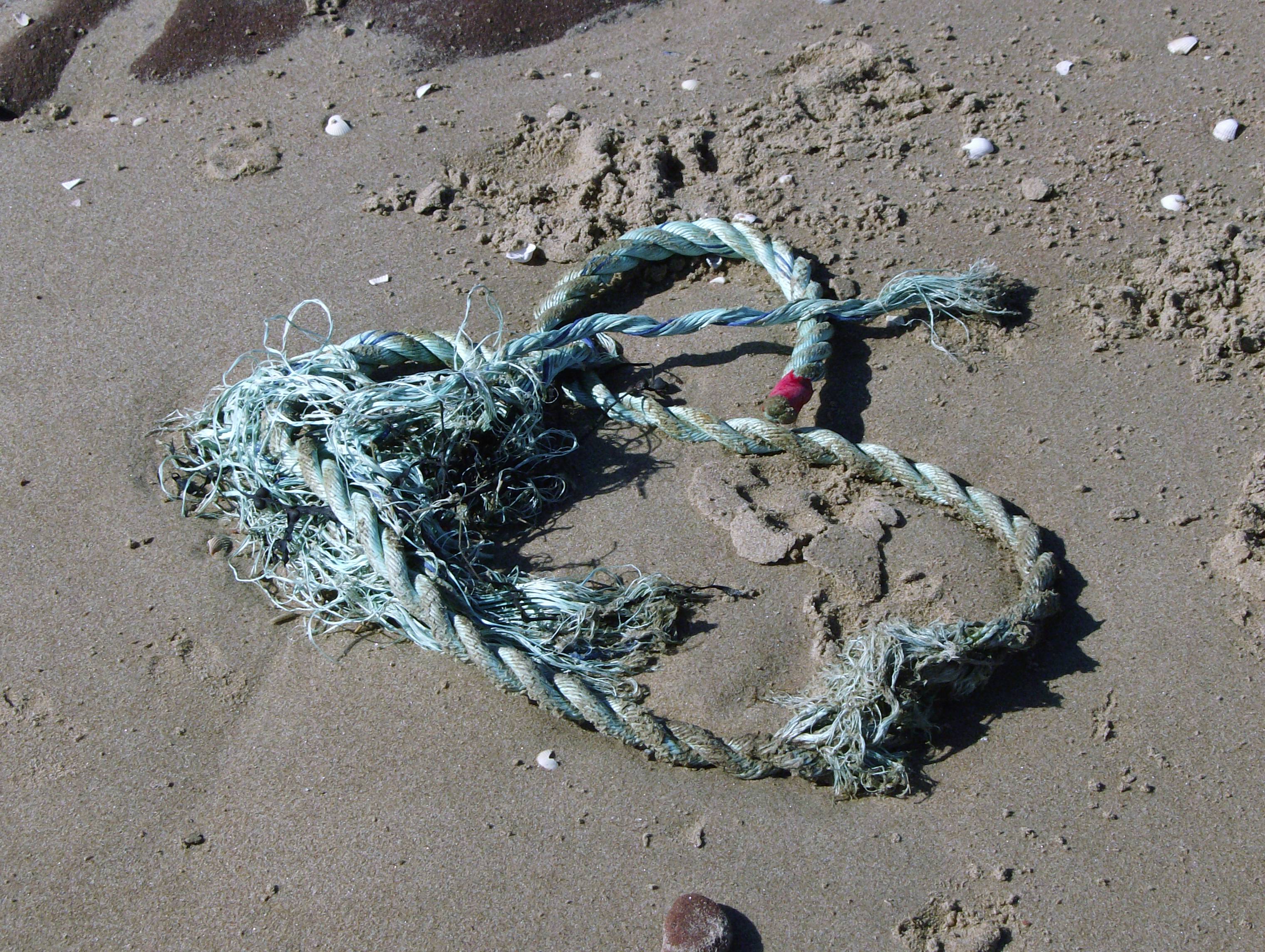
Rope

Rope


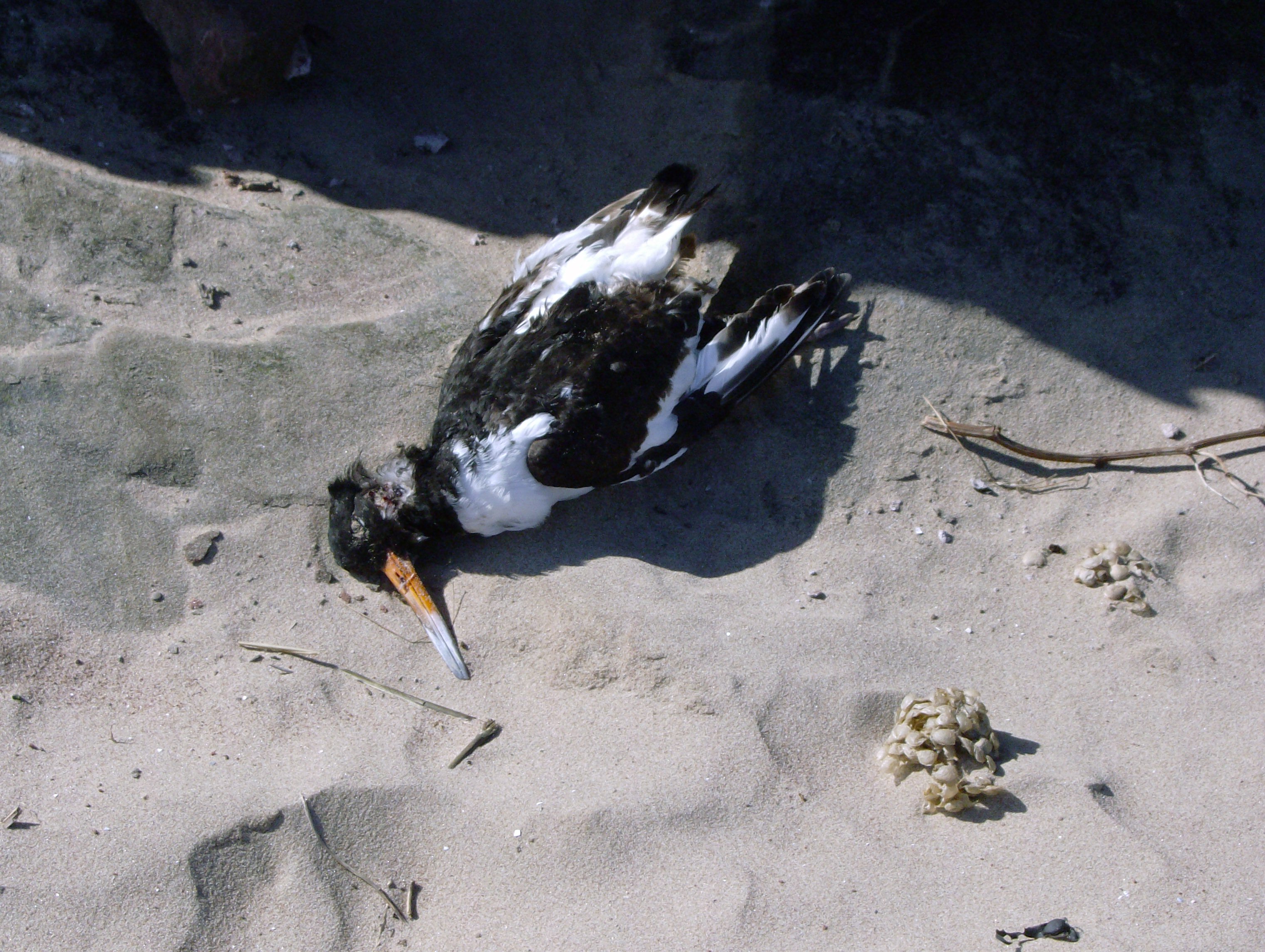
Dead Seabird

Dead Seabird


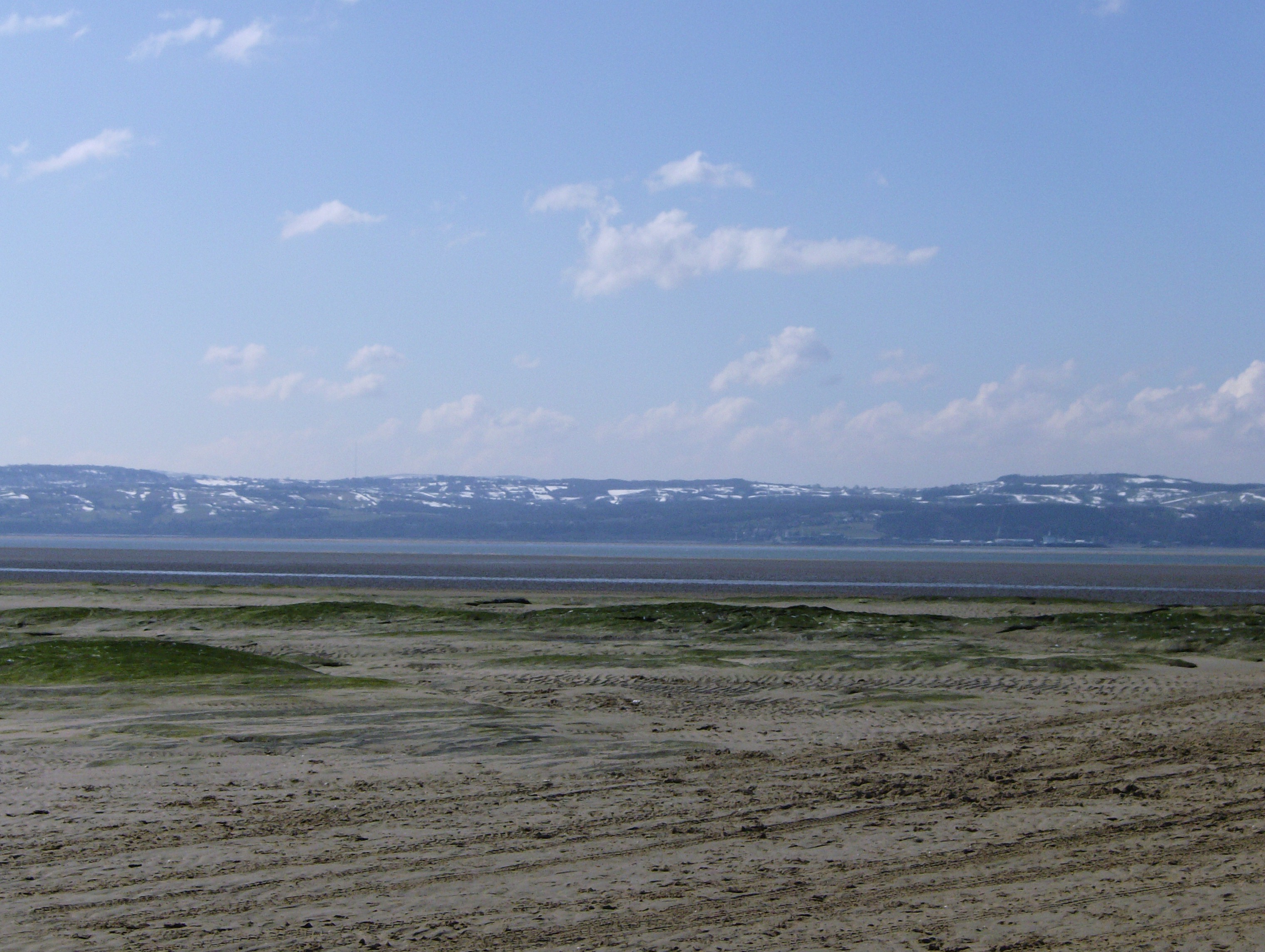
The Welsh Coast

The Welsh Coast


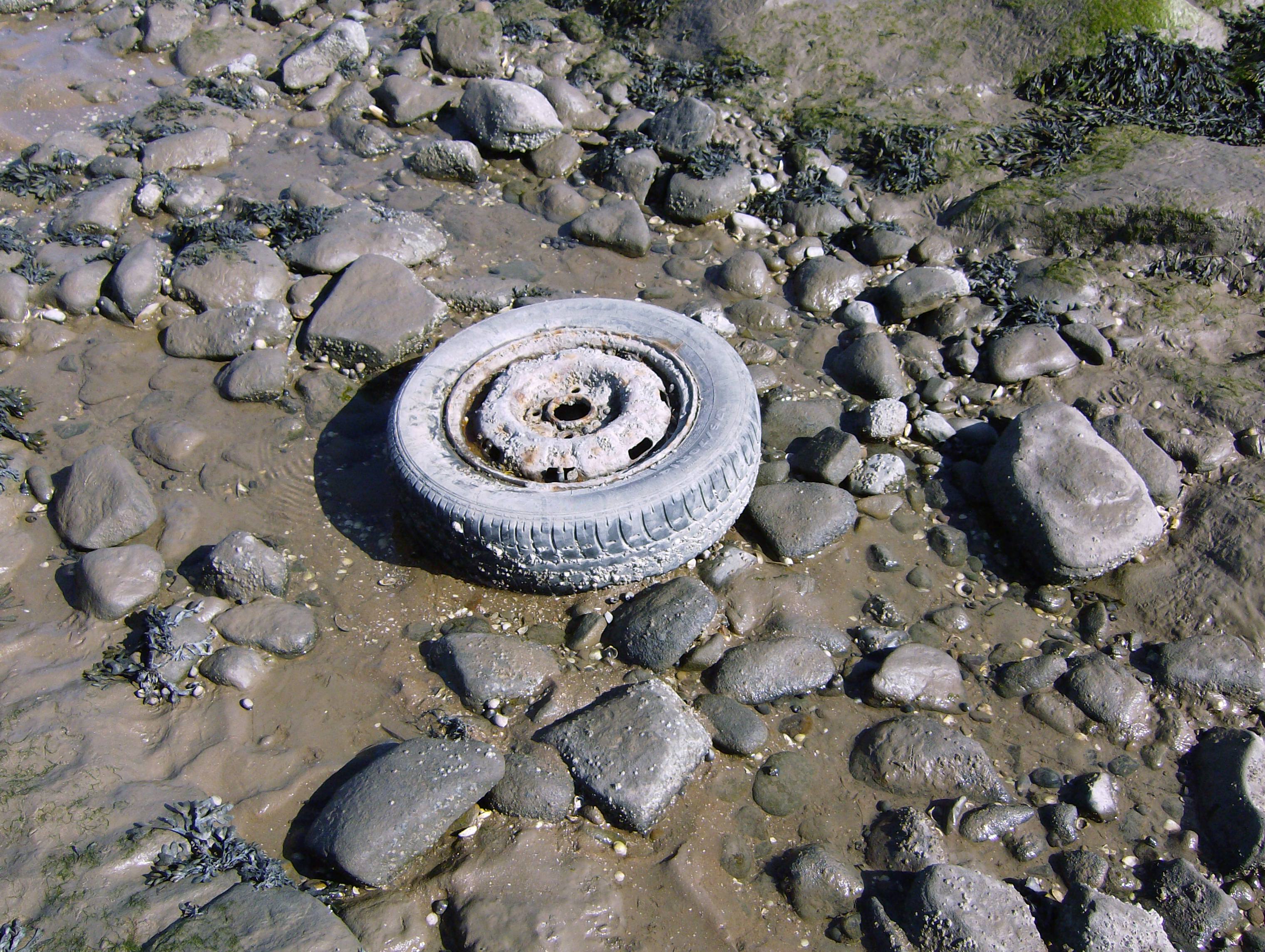
Sand Tyre

Sand Tyre


Posted in Home | Tagged , | 6 Comments

Psychogeographic Review’s Recommendations – April 2013


This past month Psychogeographic Review has been reading:

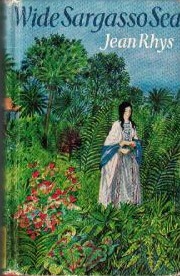
Wide Sargasso Sea   ‘Wide Sargasso Sea’ – Jean Rhys

London   ‘London: City of Disappearances’ – Iain Sinclair (Ed.)

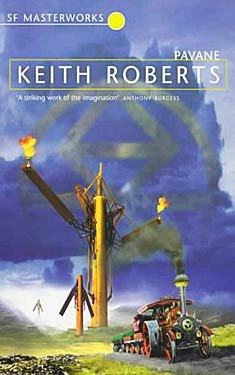
Pavane   ‘Pavane’ – Keith Roberts

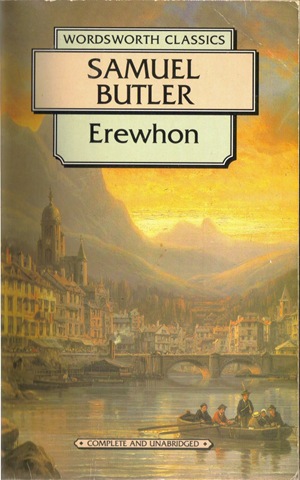
Erewhon   ‘Erewhon’ – Samuel Butler

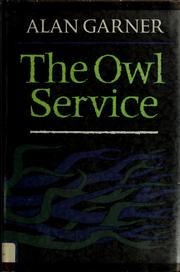
Owl Service   ‘The Owl Service’ – Alan Garner

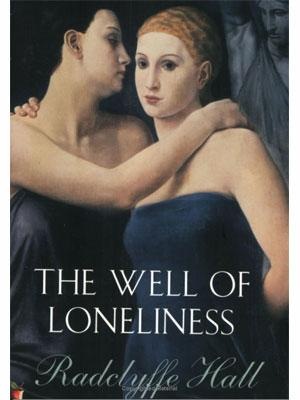
Well of Loneliness   ‘The Well of Loneliness’– Radclyffe Hall

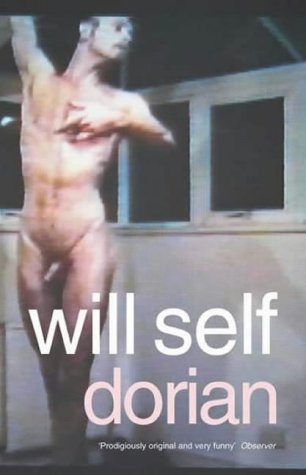
Dorian   ‘Dorian’ – Will Self


Meanwhile, we were listening to:

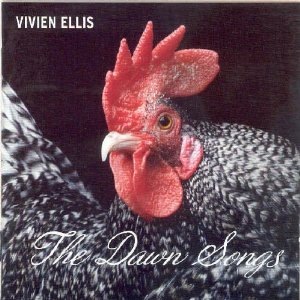
Dawn Songs   ‘Dawn Songs’ – Vivien Ellis

The Next Day   ‘The Next Day’ – David Bowie

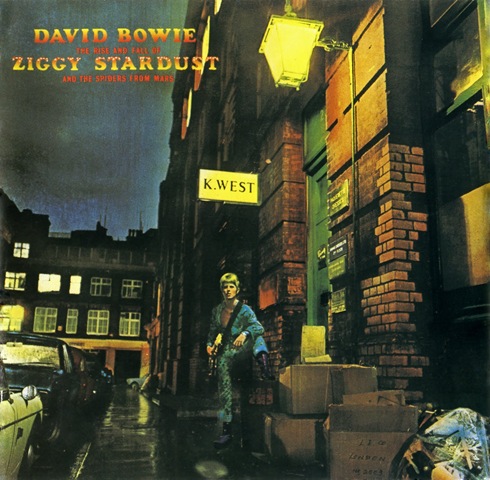
Ziggy Stardust   ‘The Rise and Fall of Ziggy Stardust and the Spiders from Mars’ –                                    David Bowie

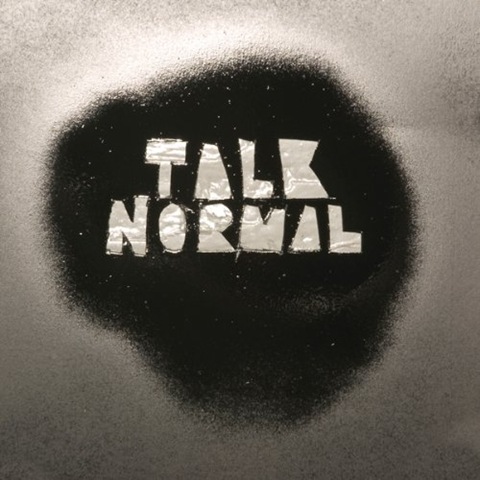
Sugarland   ‘Sugarland’ – Talk Normal


And watching:

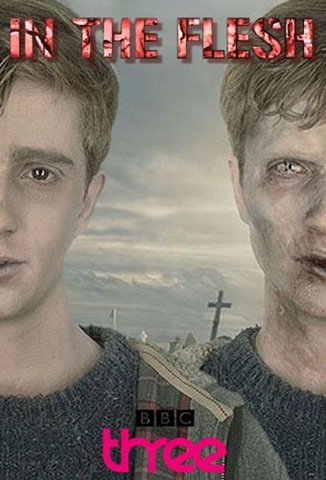
In the Flesh   ‘In the Flesh’ – Dominic Mitchell, BBC3 UK

Silver Linings Playbook   ‘Silver Linings Playbook’ – David O Russell

Village   ‘Village at the End of the World’ – Sarah Gavron

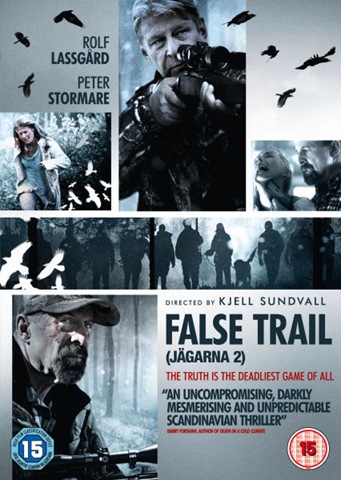
False Trail   ‘False Trail’ – Kjell Sundvall

Posted in Home | Tagged , , , , , , , , , , , , , , , , , | Leave a comment

Skyscapes

This gallery contains 19 photos.

Whilst sorting through my late father-in-law’s photographic equipment recently, I found a number of files of studies he had made of the ever-changing skies of Devon and Cornwall.  He had lived with very bad health in his later years and this prevented him … Continue reading

More Galleries | 2 Comments

The Clandestine Farm

One March afternoon I climbed over the fence which divides my neighbour’s land from mine, and walked on his farm as though it were my own.  I looked on it, not in a jealously possessive way, but simply as I might if there were no such thing as land property and all the people held all the land in common. . The land was here before us and will outlive us.  The land is not inanimate, it owns us, and we are just some of its creatures.  The land lends us minerals, feeds us, clothes us and when we die it takes back all it has given.

Anthony Wigens was a writer and teacher and wrote his only commercially published book, The Clandestine Farm, in 1981.
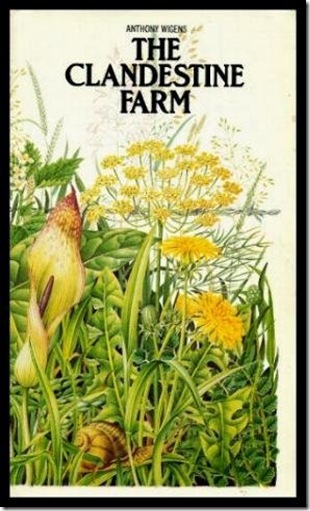
BookCover_thumb.jpg


Wigens took his inspiration from Gerrard  Winstanley and the Diggers, Gilbert White and  Pyotr Kropotkin.  He set out to challenge the myth that certain privileged individuals can exclusively ‘own’ the land upon which we all live.  The Clandestine Farm is the story of how he translated these ideas into a practical experiment in his local fields and woods.


The scene of Wigens’s experiment was Lockleys Farm, a stretch of land adjoining the garden of his home near Welwyn Garden City; a farm for which one George Baron held the title.  In trespassing on his neighbour’s land, Wigens asserted that he was upholding his common law rights.  He set out to exercise his right to gather some of nature’s wild harvest and also to raise edible plants in some of the marginal corners the farmer did not cultivate.  However, he was scrupulously careful not to take any of the produce which the farmer grew and ‘did nothing to harm them or restrict his privileges.  I neither squatted nor expropriated, nor was I a thief.’

Taking his cue from the writings of continental anarchists, such as Proudhon, and the tradition of English utopian socialism, Wigens rails against the iniquities of our present system of land ownership.  He cites the Inclosure Acts of the eighteenth and nineteenth centuries, which extinguished most of the common land rights of ordinary people, as the root of the problem.

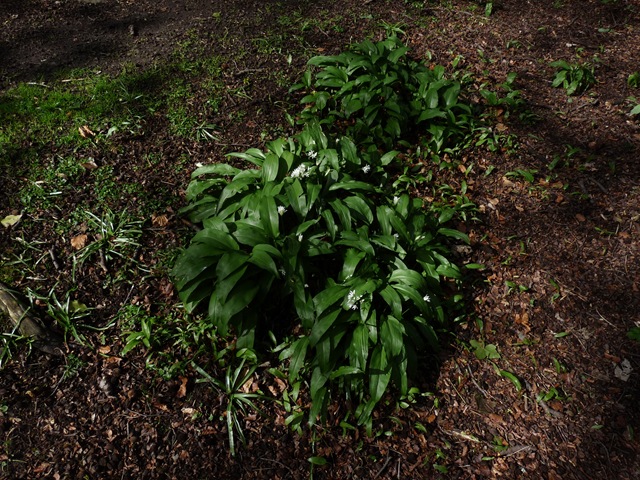
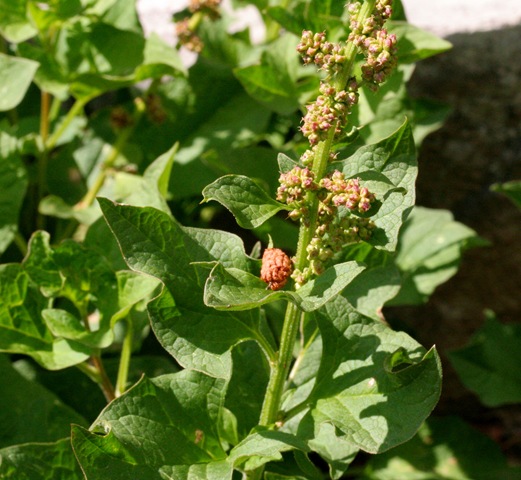
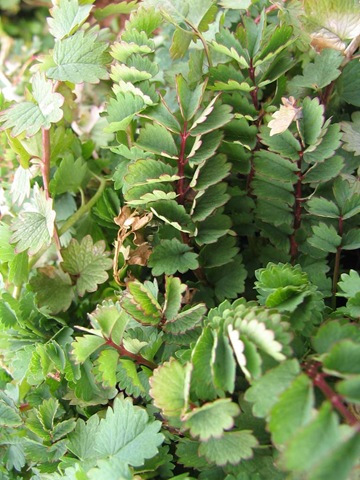
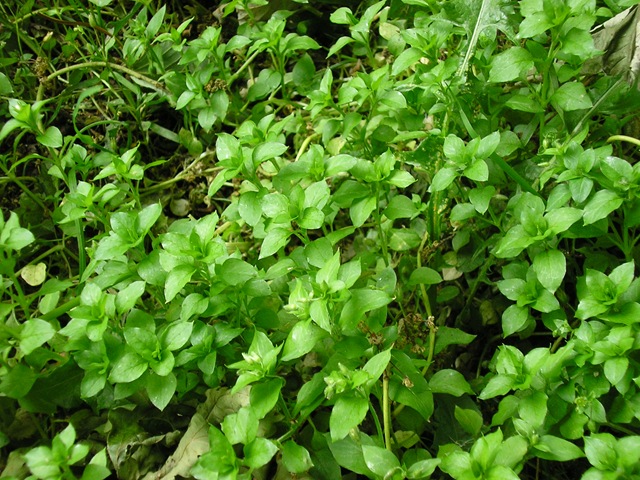
Wigens sets out to assert these rights once more by systematically straying from  his local public footpaths and encroaching onto land for which someone else held the title.  He describes how he forages for nature’s bounty and how his efforts meet with mixed success.  Good King Henry, Jack-by-the-hedge (wild garlic), salad burnet, puffball fungus and chickweed were all good.  But dandelion leaves he finds very bitter and Roman snails chewy and tasteless.  Wigens also exercised his right to gather firewood in the woods near his house.

His boldest experiment was to cultivate Good King Henry, a native spinach-like plant, in a neglected corner of one of George Baron’s fields.  The point of the experiment was not so much to raise a decent crop for his own family, but to show up the inequalities of the present system of land ownership.  Most of our countryside is owned and farmed by a small number of people while  the rest of us have little or no land upon which to grow our own food.  Yet within these large farms, indeed throughout our rural and urban areas, one finds neglected, fenced-off plots of land lying abandoned, unloved and uncultivated.
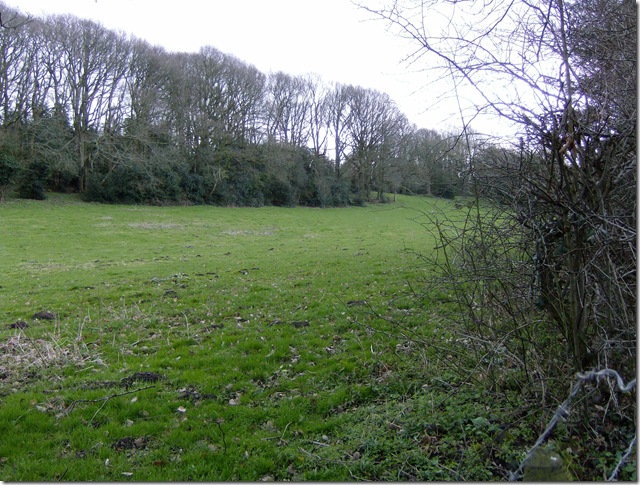
Stepping Over the Fence
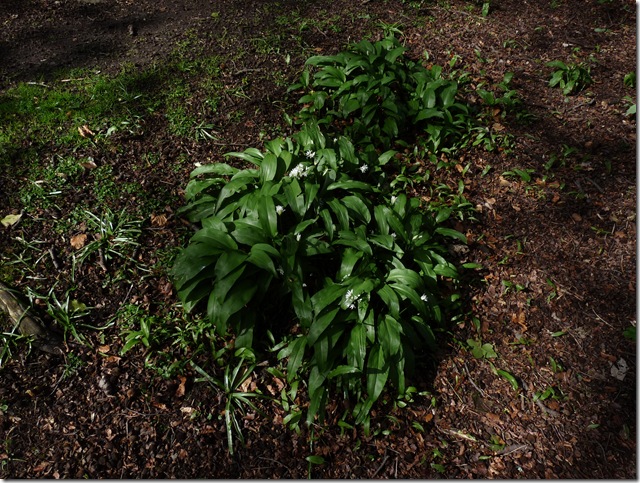

Stepping Over the Fence


Wild Garlic


Wild Garlic


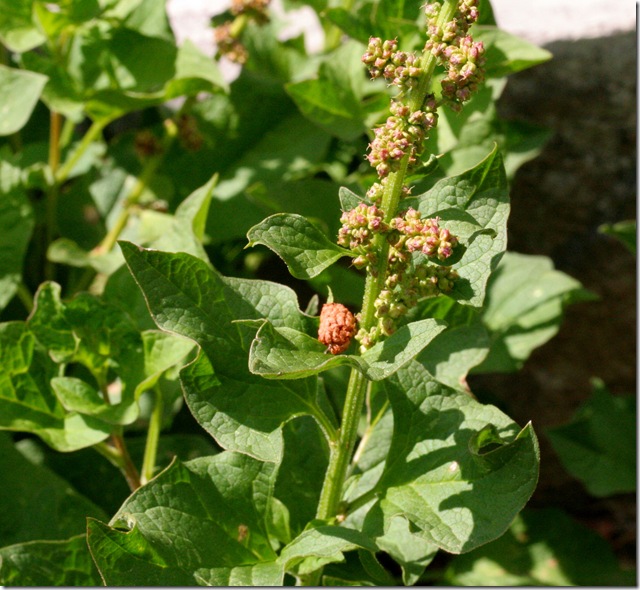
Good King Henry


Good King Henry


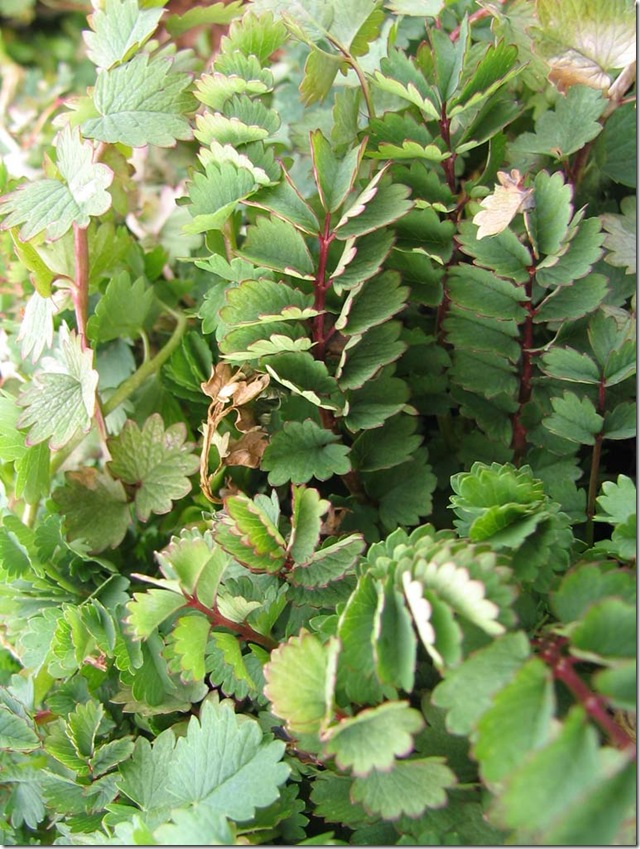
Salad Burnet


Salad Burnet


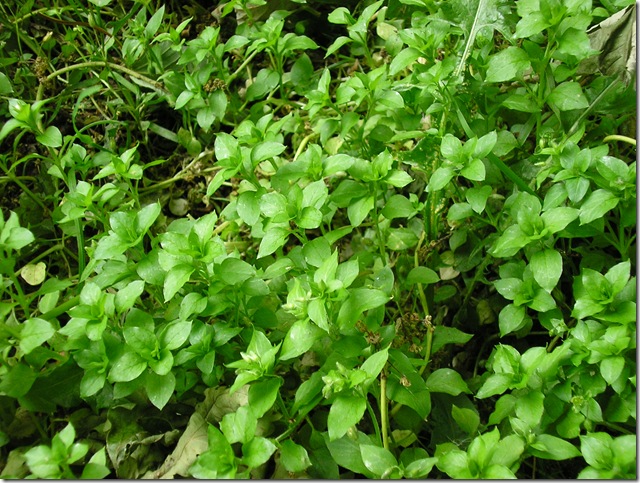
Chickweed


Chickweed


But reading The Clandestine Farm, one cannot help feeling that there is something slightly old-fashioned and middle-class about Wigens’s lone attempts to impose order upon an innately anarchic natural world.  He fights a never-ending battle against the native bracken of the spot at the edge of the woods where he wishes to raise his crop.  I found myself thinking of my own allotment and the areas upon it I have chosen to leave wild so that the insects and birds can thrive.  Indeed, I can almost convince myself that I am not being slovenly, but am following a deliberate and ecologically-sound strategy!

To give Anthony Wigens his due, he begins to realise the limitations of his lone experiment towards the end of this book:

Looking back on the events described in this book, what surprises me most is the solitary nature of all the activities.  This was me, just a few years ago before I accepted my own need for a more communal life.  And yet what moved me to farm clandestinely moves me still, a need to explore ways of living off the land without owning it, without excluding the rights of others to have access to it…  I farm urban wasteland, and I work with others to make these disused plots productive.

Putting aside any quibbles about the practical usefulness of Wigens’s clandestine farming experiment, this is, without doubt, a humane and wise book which raises questions about the ownership of land; questions that are as relevant today as they were to the radicals of the English Civil War.  In many ways, Wigens’s clandestine farm was not so much a physical place, as one which lived in his imagination.  And the human imagination is the most fertile of all soils.

Not everyone who feels alienated from the land will want to go as far as I have gone.  They may not understand why it is so important to take the gifts of the land; they may be concerned to know what the law permits, or to learn what difficulties they may encounter.  It is to answer these questions that I have written this book.


Book cover image – Paladin Press

Images 1 and 2 – Bobby Seal

Images 3, 4 and 5 – courtesy of Creative Commons

Posted in Home | Tagged , , , , , , , , | 7 Comments

Psychogeographic Review’s Recommendations – March 2013
This past month Psychogeographic Review has been reading:

 

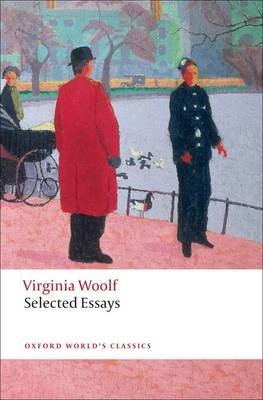
Selected Essays   ‘Selected Essays’ – Virginia Woolf

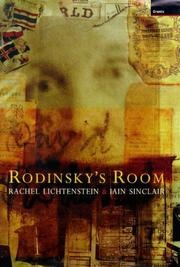
Rodinskys Room   ‘Rodinsky’s Room’ – Rachel Lichtenstein & Iain Sinclair

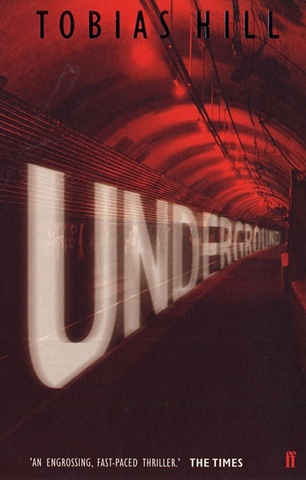
Underground   ‘Underground’ – Tobias Hill

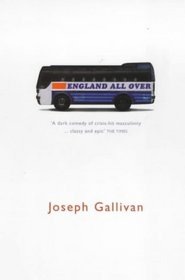
England All Over   ‘England All Over’ – Joseph Gallivan

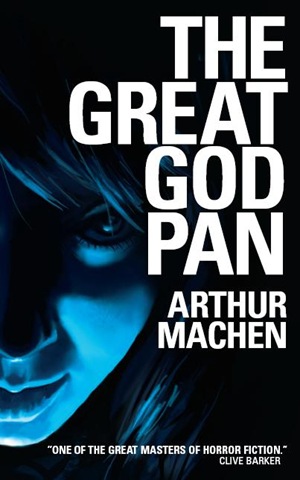
Great God Pan   ‘The Great God Pan’ – Arthur Machen

Accidental Woman   ‘The Accidental Woman’ – Jonathan Coe


Meanwhile, we were listening to:

Damien Dubrovnik   ‘First Burning Attraction’ – Damien Dubrovnik

Stones   ‘Stones’ – Colin Stetson & Mats Gustafsson

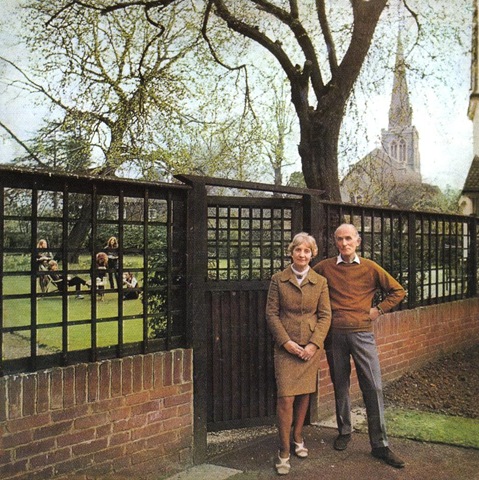
Unhalfbricking   ‘Unhalfbricking’ – Fairport Convention

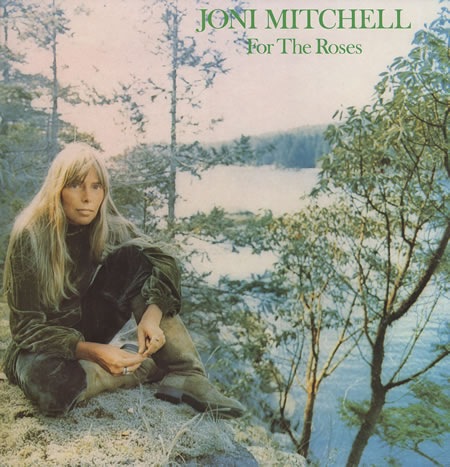
For the Roses   ‘For the Roses’ – Joni Mitchell

And watching:

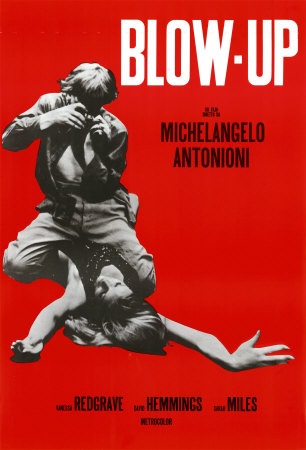
Blow Up   ‘Blow Up’ – Michelangelo Antonioni

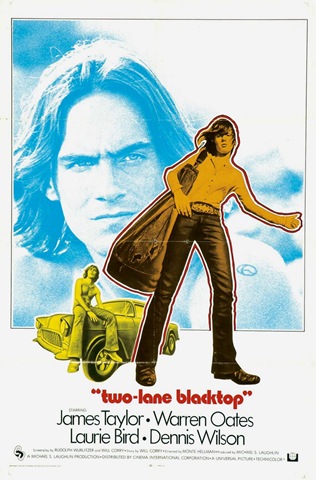
Two Lane   ‘Two-Lane Blacktop’ – Monte Hellman

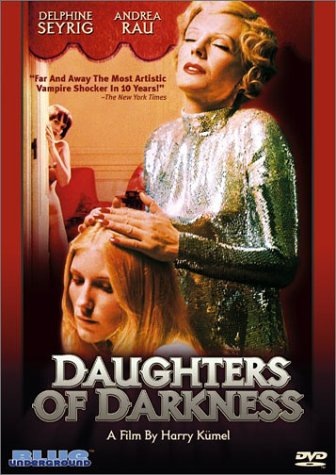
Daughters   ‘Daughters of Darkness’ – Harry Kümel

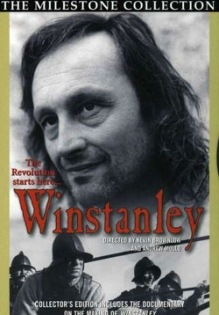
Winstanley   ‘Winstanley’ – Kevin Brownlow & Andrew Mollo

Posted in Home | Tagged , , , , , , , , , , , , , , , , , , , , , , , , , | Leave a comment

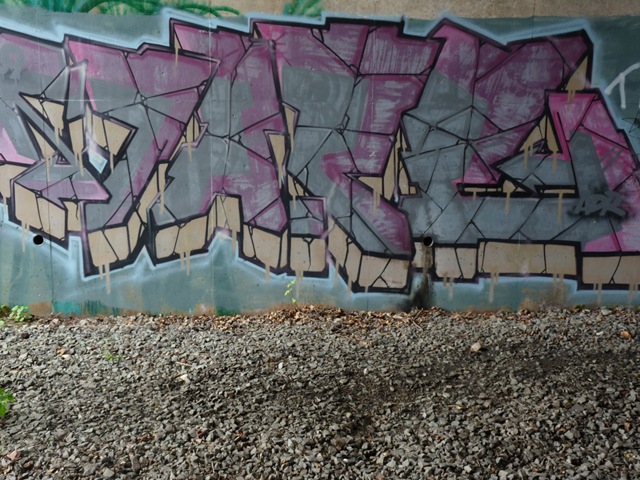
Underpass Art

Walking along my favourite local route.  An old railway track – post-industrial,

abandoned and overgrown, but still indelibly human-made.  Cutting and bridge, a levelled

track-bed.

And when I dream

I dream I can fly.

The track passes under a busy trunk road; a concrete bridge, hard, austere and coldly

beautiful in its simple form.

My wings are golden,

Yellow like the dawn

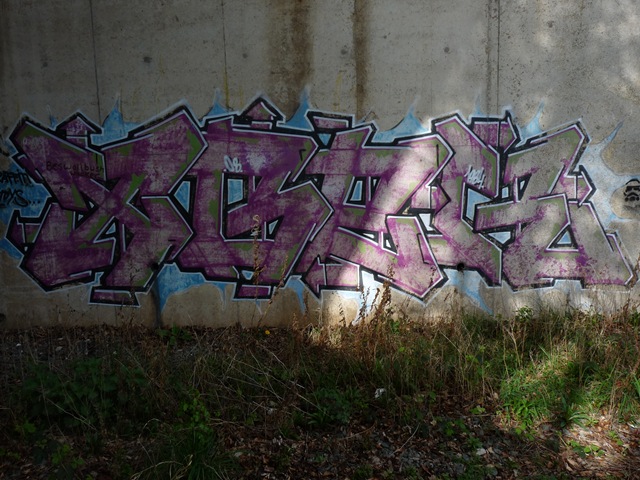
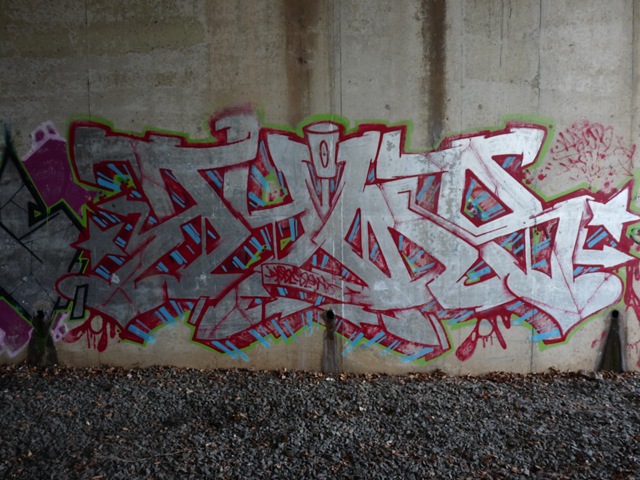
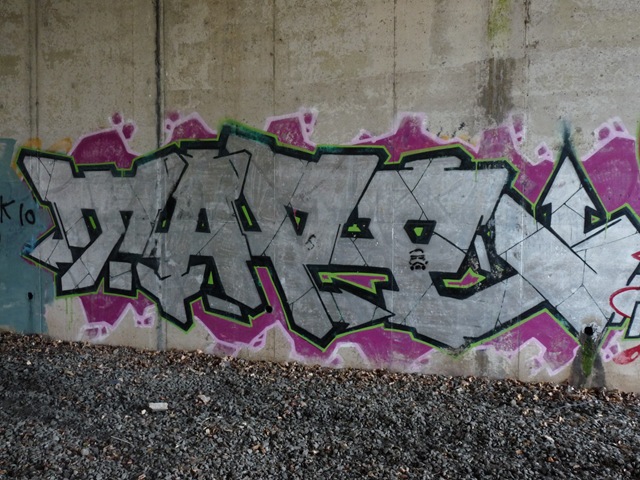
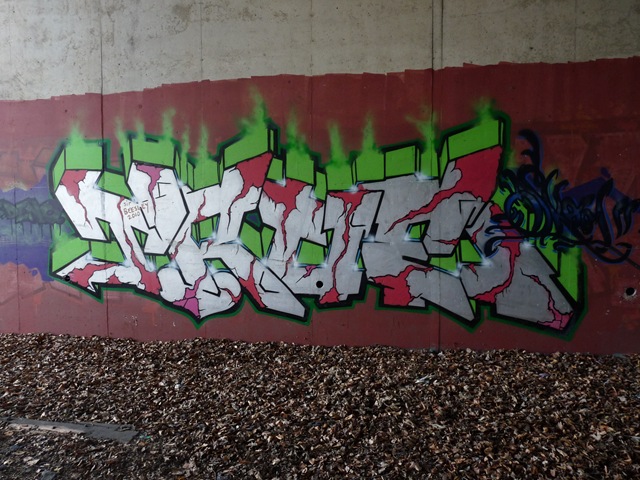
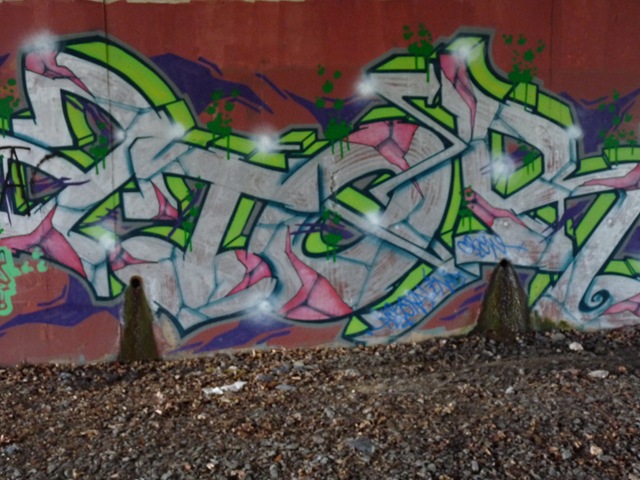
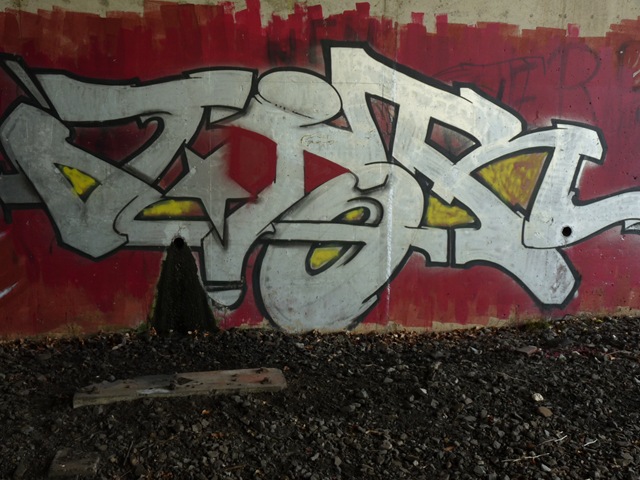
A suitable canvas then for local street artists, none of them with any formal training, but

each successfully creating work that unites the natural and the constructed world.  A

sudden splash of light, colour and vibrancy amid a dank liminal space; a jolt to prompt the

walker from a sleepwalk of footfalls into a new and different perception of the landscape.

Fearless, I beat my wings

Against the unyielding glass.

Underpass Art 1

Underpass Art 2

Underpass Art 3

Underpass Art 4

Underpass Art 5

Underpass Art 6

Underpass Art 7


All images – Bobby Seal

Poem – extract from Butterfly in a Jar by Bobby Seal

Posted in Home | Tagged , , , | Leave a comment