The city is a map of stories, and in them we are both the inhabitants and the explorers. Zadie Smith (from NW)
At Psychogeographic Review I write about the books, poems, maps, photographs, paintings, films and music that help us to construct a living map of the places where humans live. The following is my personal and very subjective list of some of the books that have informed this discussion in 2024.
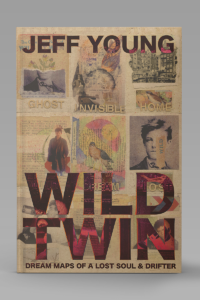
Wild Twin by Jeff Young
One way of reading Wild Twin, Jeff Young’s companion memoir to 2020’s Ghost Town, is to see it as a tale of three cities: Liverpool, Paris and Amsterdam. But it is also, among many other things, the story of a haunting. The ghost at the heart of Young’s previous book was his mother. Wild Twin, on the other hand, is haunted by the spirit of his late father, Cyril.
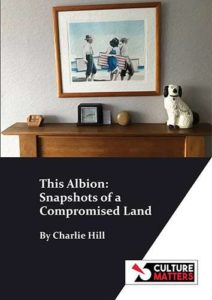
This Albion: Snapshots of a Compromised Land by Charlie Hill
Charlie Hill’s slim paperback more than makes up for its lack of length and detail with the depth and perceptivity of his observations as he charts a series of walks he has made through locations in England, Scotland and Wales. The book’s format is simple: each short essay focuses on a particular place Hill has visited in recent years, some urban and some and others rural, and crafts a collecion of meditations on what he sees, hears, thinks and feels.
It’s not just that spaces are shaping our subjectivities, it’s that they are a product of histories of social and political forces. Wendy Brown (from States of Injury)
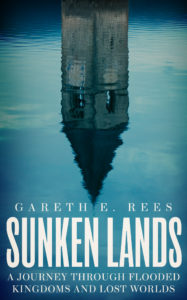
Sunken Lands by Gareth E. Rees
There is a story etched into the rocky shell of our planet. Geologists present us with conclusive evidence that history is cyclical; that the physical processes determining the fate of life on Earth are subject to climactic and tectonic ebbs and flows. In this, Gareth Rees’s most ambitious work to date, he charts the many cycles of lands that emerge from beneath the waves and the flora, fauna and humans that gradually move in and prosper, only to be forced out again many thousands of years later as the sea returns to reclaim the land. Beneath the waves of coastal regions all over the world are remnants of forests, plains and the ruins of human settlements.
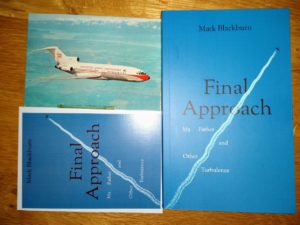
Final Approach by Mark Blackburn
 Final Approach is the story of Blackburn’s life, with the constant thread of his love of planespotting running through it. He charts this obsession from his childhood right through to the present day and describes his compulsion to see planes, photograph them and note their registration numbers. Indeed, planespotting determines the whole structure of this, his autobiography. Each chapter heading is the three-letter IATA code for an airport (MIA, LGW, ORK and so on) and each airport plays a significant part in the story of Blackburn’s life.
I am not a person, I am a place. Clarice Lispector (from The Hour of the Star)
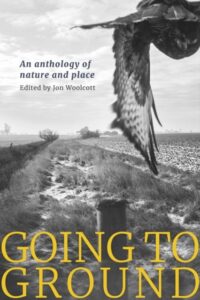
Going to Ground: An Anthology of Nature and Place – Ed. by Jon Woolcott
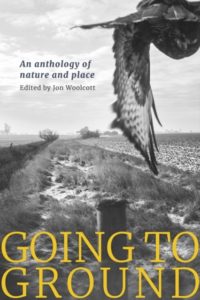 Just over ten years ago the Dorset-based publisher, Little Toller, set up an online journal of new writing about landscape. The Clearing offered a space for new and extablished writers to explore themes and ideas about landscape and place. This collection, edited by Jon Woolcott, the author of Real Dorset, brings together poetry and prose by thirty writers who have contributed to The Clearing over the years, as well as a sympathetically considered introduction by Woolcott.
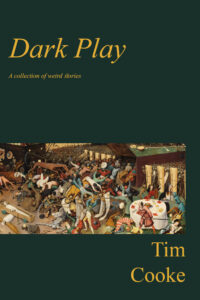
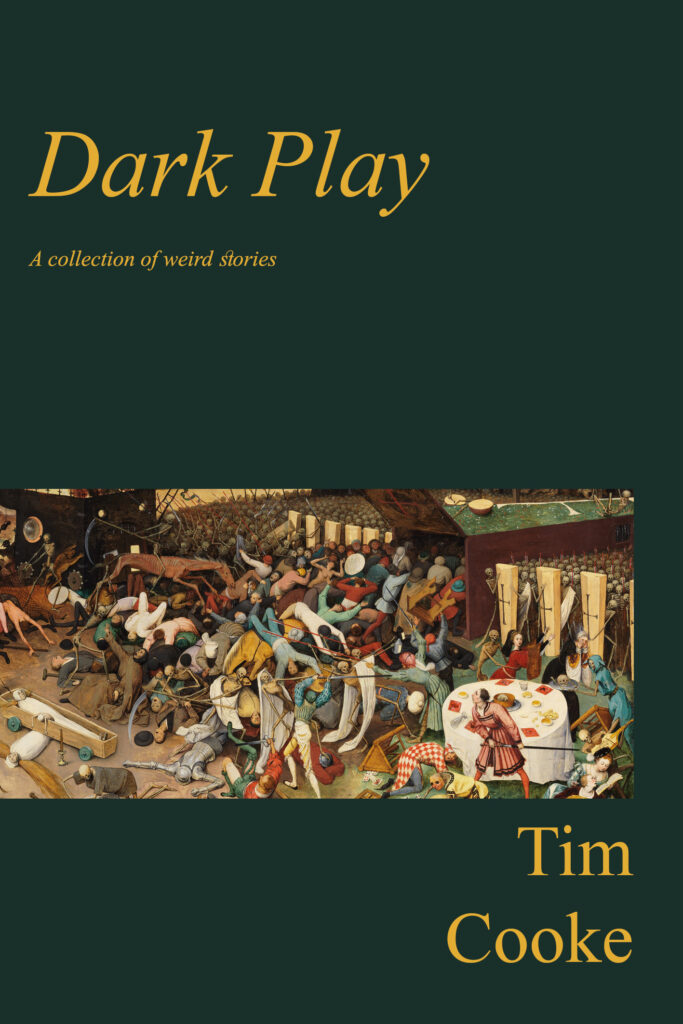
Dark Play by Tim Cooke
Dark Play is a collection of linked short stories by Tim Cooke, each one featuring a father and young daughter living in an isolated farmhouse on a Welsh hillside. Cooke’s stories were inspired by the concept of ‘dark play’ developed by the American professor of drama, Richard Schechner. In Schechner’s dark play some or all of the participants are not aware they are taking part in a game and, implicitly, they are unable to consent to their participation.
I have always been interested in the way that the landscape mirrors our inner lives. Jeanette Winterson (from The Passion)
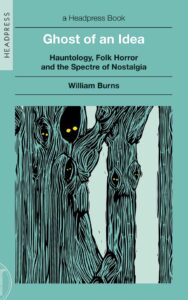
The Ghost of an Idea: Hauntology, Folk Horror and the Spectre of Nostalgia by William Burns
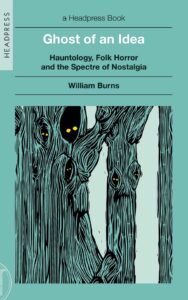 Ghost of an Idea examines the impact of nostalgia on the horror and hauntological genres. In this deeply researched work William Burns addresses the question of nostalgia, which can be defined as a longing for a past that may once or may never have existed. Is it, he asks, a force which stimulates contemporary creativity, encouraging further exploration and expression? Or does nostalgia too often produce a culture that is a bland shadow of the original upon which it is based?

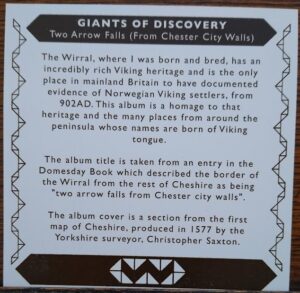
 Tim Cooke is a teacher, writer and creative writing PhD student. He was the winner of the New Welsh Writing Awards 2022: Rheidol Prize for Prose with a Welsh Theme or Setting for his blended nonfiction book, River.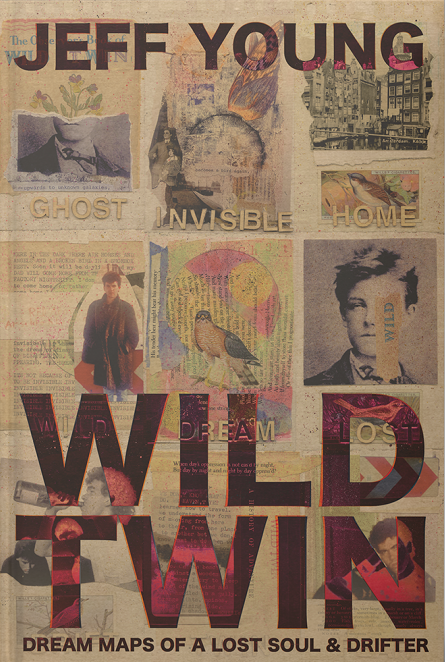
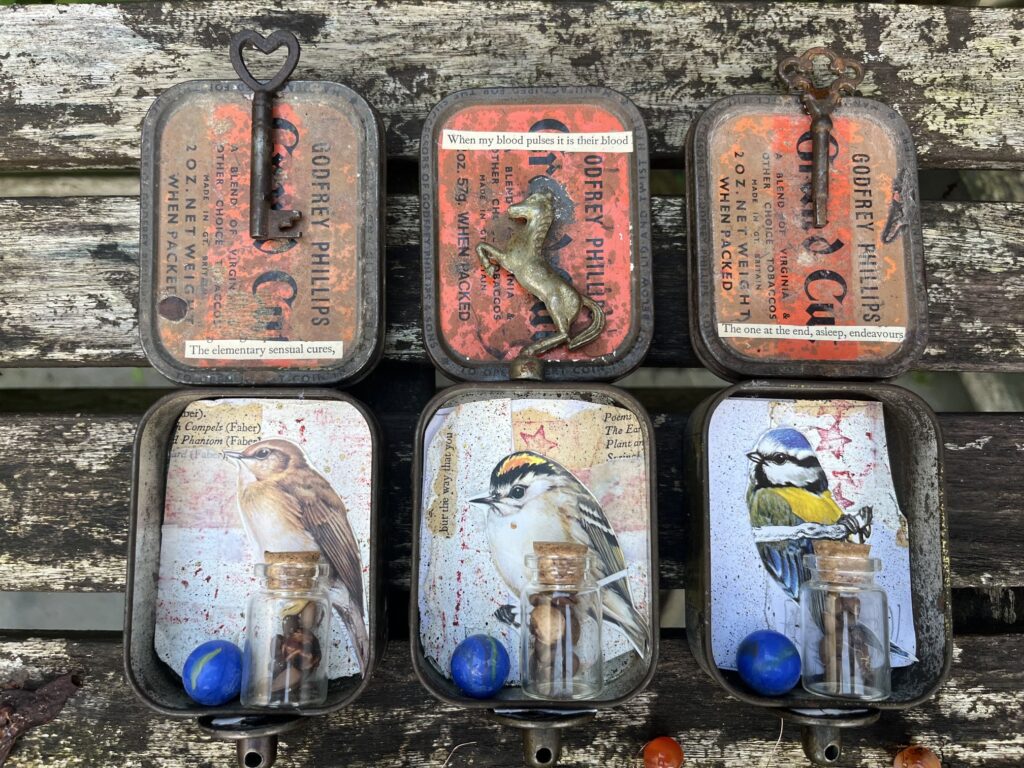
 Jeff Young is a writer for screen, stage and radio. A former senior lecturer in Creative Writing at Liverpool John Moores University, Jeff lives in Liverpool. He is also the author of Ghost Town.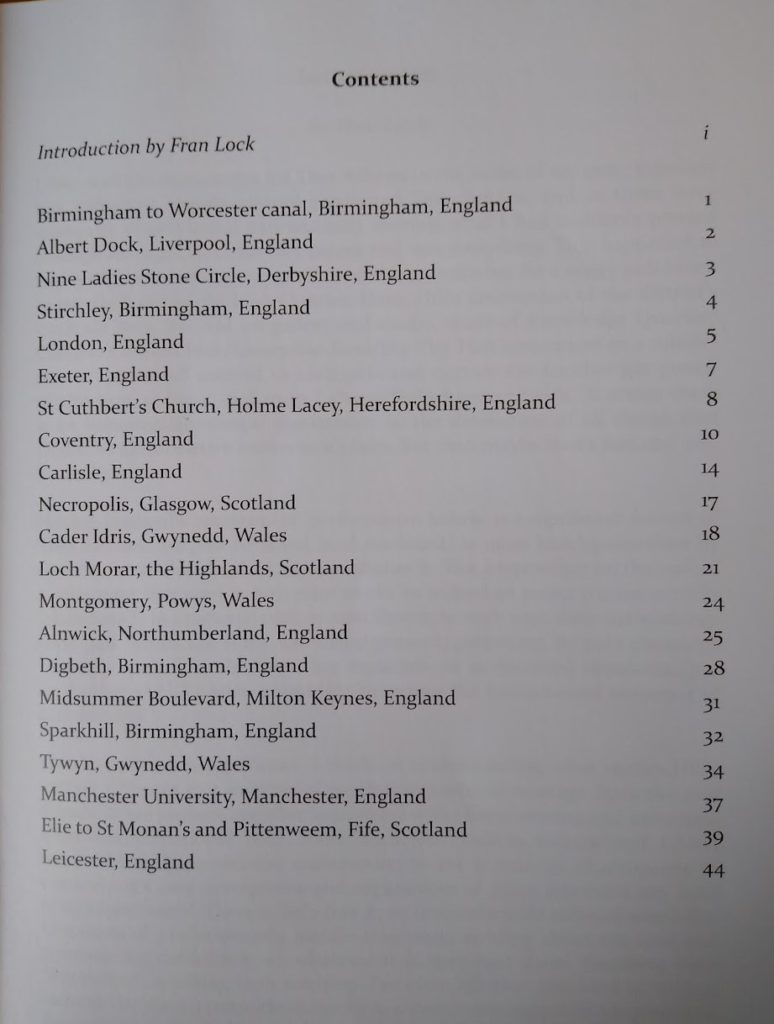
 Charlie Hill is an author from Birmingham. He has written long and short form memoir, and contemporary, historical and experimental fiction. He is the co-founder and former Director of a literary festival, the PowWow Festival of Writing, which ran from 2011 to 2017 and featured guests such as Joanne Harris, Alex Wheatle, Stewart Home and Natalie Haynes. He has also appeared at many such events, including Frankfurt’s Literaturm and the Birmingham Literary Festival.
 Clevelode is Paul Newland and his collaborators. Newland was one-half of The Lowland Hundred, a critically acclaimed duo that released three albums, Under Cambrian Sky (2010), Adit (2011), The Lowland Hundred (2014).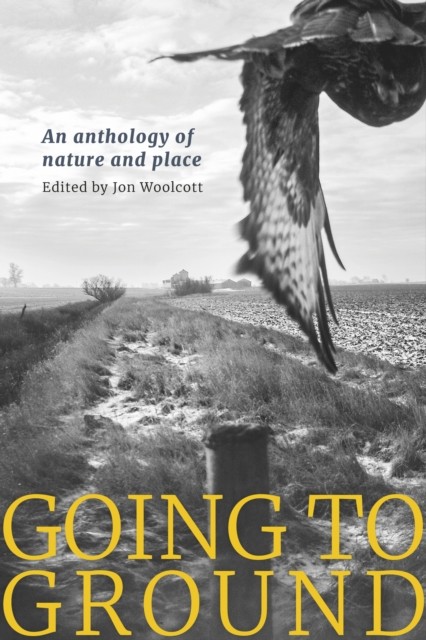
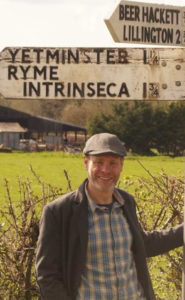 Jon Woolcott is a writer and publisher and currently works for the independent publisher, Little Toller, where he also edits The Clearing, the online journal for new writing about place and nature. He is the author of
  Gareth E. Rees is the author of Unofficial Britain, longlisted for the Ondaatje Prize and one of The Sunday Times best books of the year 2020. He’s also the author of Car Park Life, The Stone Tide and Marshland. His first short story collection, Terminal Zones, was published in 2022 and examines the strangeness of everyday life in a time of climate change