Psychogeographic Review’s Recommendations – April 2014

This past month Psychogeographic Review has been reading:

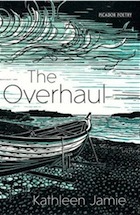
The OverhaulKathleen Jamie – ‘The Overhaul’ (2012)

Kathleen Jamie’s most recent collection of poems is loosely united by the theme of midlife.  Her language is spare and restrained, her lines uncluttered.  In the foreground is the landscape of Fife and, when she raises her eyes, she looks to the horizon and speaks to the heavens and beyond.


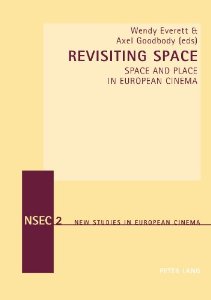
Revisiting SpaceWendy Everett & Axel Goodbody (eds) – ‘Revisiting Space: Space and Place in European Cinema’ (2005)

This is one of the most original books on the art of cinema I have ever read.  The editors, both teachers at Bath University, are specialists in European cinema.  The area they explore in this collection is the way in which space and  place are represented in film.  Their triumph in this book as that they succeed is in causing one to look afresh at familiar films; to see the shapes and spaces caught in the frame and to appreciate the relationship of space and time.


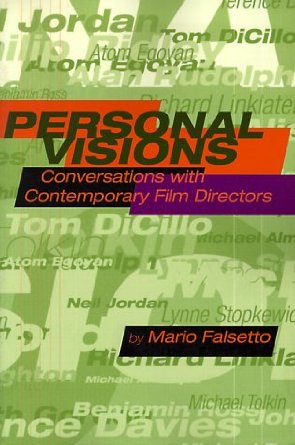
Personal VisionsMario Falsetto – ‘Personal Visions: Conversations with Contemporary Film Directors’ (2000)

A simple concept: take seventeen independent film-makers, interview them and transcribe the results.  But what makes this such a gripping book is Falsetto’s overwhelming love of film, which shows itself both in the insight he brings to his questions and the revealing background detail he provides on each director.


Meanwhile, we were listening to:

Cupid PsycheScritti Politti – ‘Cupid & Psyche 85’ (1985)

A classic of 1980s pop-rock.  Heavily influenced by soul, electro-funk and reggae, Green Gartside offers up a dozen slices of boy-meets-girl pop perfection.  But this is Scritti Politti we’re talking about, so one doesn’t have to look too far under the surface to find a searing critique of gender stereotypes and vacuous consumerism.


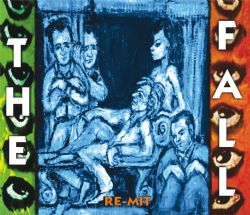
Re MitThe Fall – ‘Re-Mit’ (2013)

As if his staggeringly rich back-catalogue was not enough, the Mark E Smith conveyor belt has turned out yet another outstanding album.  Forget the suggestion that he mumbles the words, MES is still the most articulate lyricist in rock, as evidenced by epic tracks like ‘Hittite Man’ and ‘Pre-Mdma Years’.


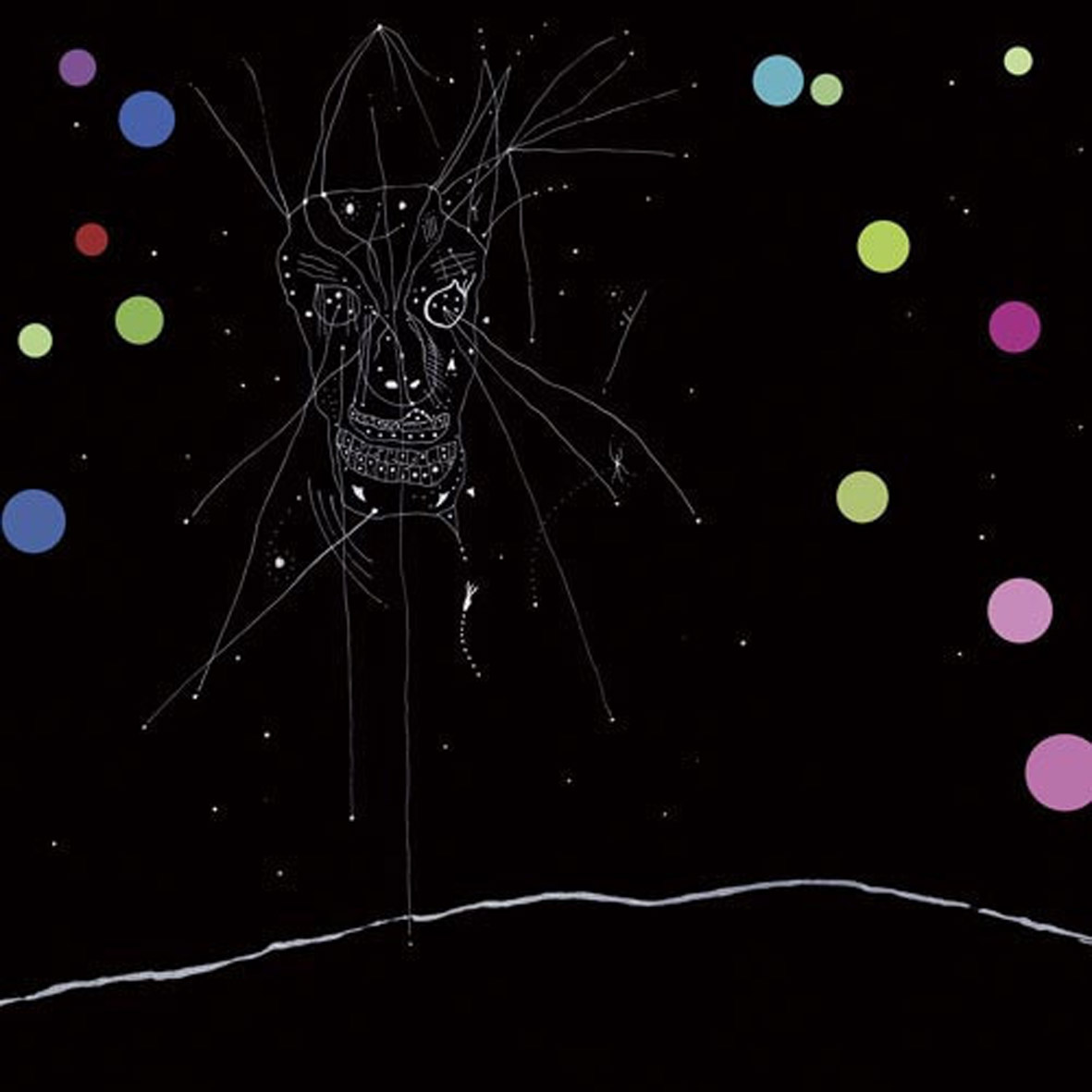
I Am The LastCurrent 93 – ‘I Am The Last of All The Field That Fell (A Channel)’ (2014)

David Tibet has branched out from his earlier industrial musings and created an album that is almost jazzy in its feel.  His lyrics still play out his gnostic obsessions, but he seems to have the knack of persuading prominent mainstream musicians to help out on his recordings.  This one features Nick Cave, Antony Hegarty, John Zorn and Tony McPhee.  Yes, that’s Tony ‘TS’ McPhee of Groundhogs fame.  His contribution is worth the seven quid download charge on its own.

and watching:

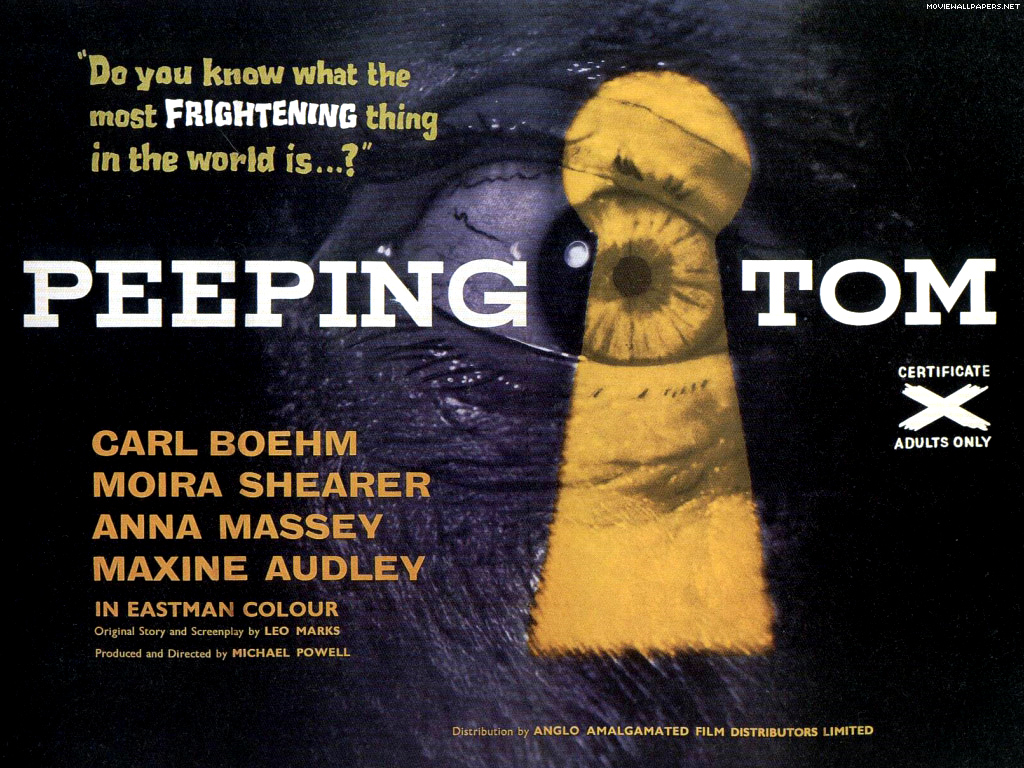
Peeping Tom‘Peeping Tom’ – Michael Powell (1960)

Michael Powell was vilified by critics and the public alike when ‘Peeping Tom’ was released in 1960 and it took a long time for his reputation to be restored and for this film to be recognised as the masterpiece that it is.  ‘Peeping Tom’ is a deeply disturbing study of voyeurism as seen through the eyes, and the camera lens, of a film-obsessed serial killer.

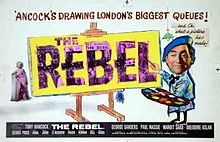
The Rebel‘The Rebel’ – Robert Day (1961)

Tony Hancock never succeeded in bringing his radio and television success to the big screen, but ‘The Rebel’ remains something of a forgotten comic masterpiece.  With his characteristically downbeat and self-deluded air, Hancock mercilessly satirises the world of modern art and the Parisian salon.


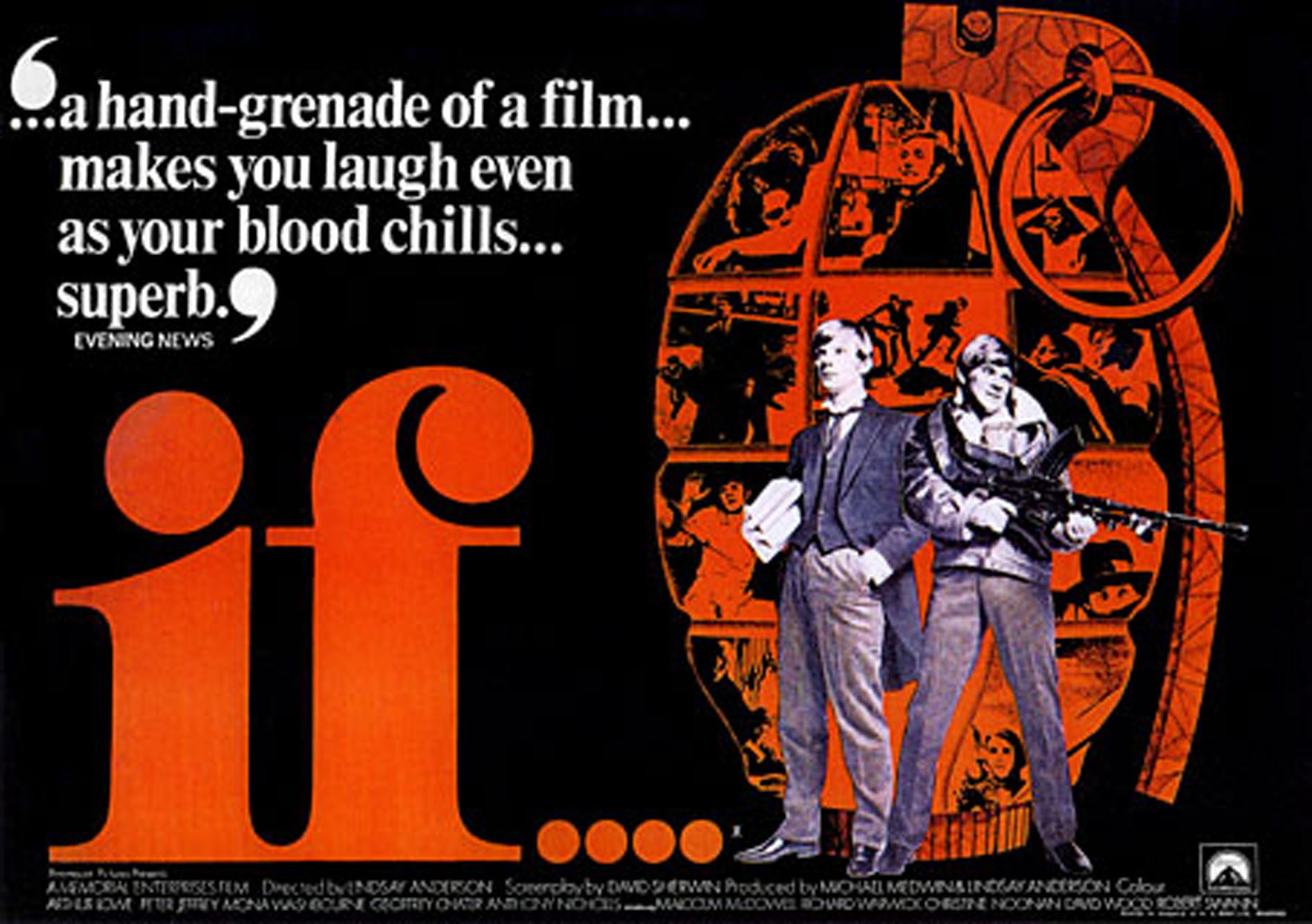
If‘If….’ – Lindsay Anderson (1968)

As a student I shared a flat with a guy who went on to work in a senior staff role for Gordon Brown.  I remember him describing ‘If….’ as the film which turned him from a conventional middle-class schoolboy into a rebel and a socialist.  Watching it again decades later I can see that Lindsay Anderson’s film really does exert that kind of power.  As a teenager it was the rooftop shoot-out which particularly appealed to me, but seeing it again now I can fully appreciate the subtleties of Anderson’s dissection of tradition, power, class and privilege.

Posted in Home | Tagged , , , , , , , , , , , | Leave a comment

A Blog Tour

My friend Liz asked me, and a few other bloggers, to consider four questions about writing and then publish the answers on my blog.  So here goes:


What are you working on?

For this blog I’m working on a piece about Norman Cohen’s 1968 film ‘The London Nobody Knows’ and after that there will be a piece on Archie Hill’s memoir ‘The Second Meadow’.  Elsewhere I’m working on a magazine piece about the films of Terence Davies, the usual bits and pieces of commercial copywriting and a commission to write the company history of a very traditional family firm. Oh, and I try to knock out the odd poem too.


How does your work differ from others of this genre?

There are lots of ‘psychogeographic’ blogs out there.  Mine differs in that it focuses on the creative human response to landscape; ‘the art of psychogeography’, as I put it in my strapline.  Initially I concentrated on literary responses to landscape, because that’s what I know about.  But, since then, I’ve branched out into reviews of film and music and I’d like to start looking at the visual arts too.


Why do you write what you do?

Because on the days I don’t manage to write anything I feel miserable and useless.


How does your writing process work?

I’m a great believer in morning pages: three sides of rapid, stream-of-consciousness writing in my journal every morning to get the creative processes flowing.  For my psychogeographic writing I find that walking is essential; not just by way of making a field trip to the place I want to write about, but because I find the very act of walking provokes a kind of meditative state which, in turn, stimulates my creative urges.

I work from home, which is great – it means I always get to hear ‘Woman’s Hour’ when I take my morning tea break!  But it also means I’m not as productive in the school holidays when I become the family’s chief cook, chauffeur and social secretary.


Here are links to some of the other bloggers who have answered the crucial four questions:

Liz Lefroy  I Buy a New Washer


Cathy Dreyer  Lines Online

Posted in Home | 4 Comments

One Year – Week 27

Project Description

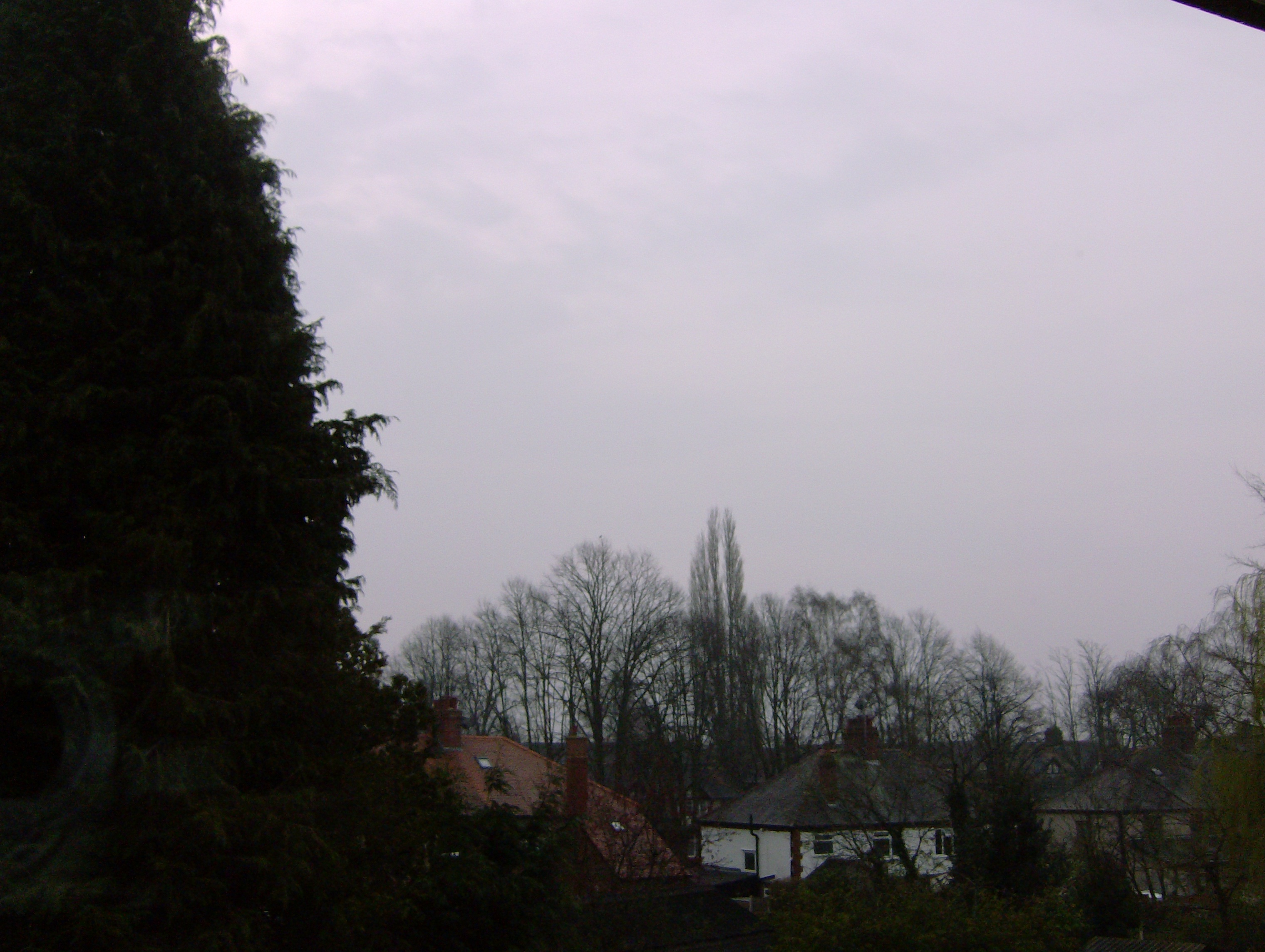
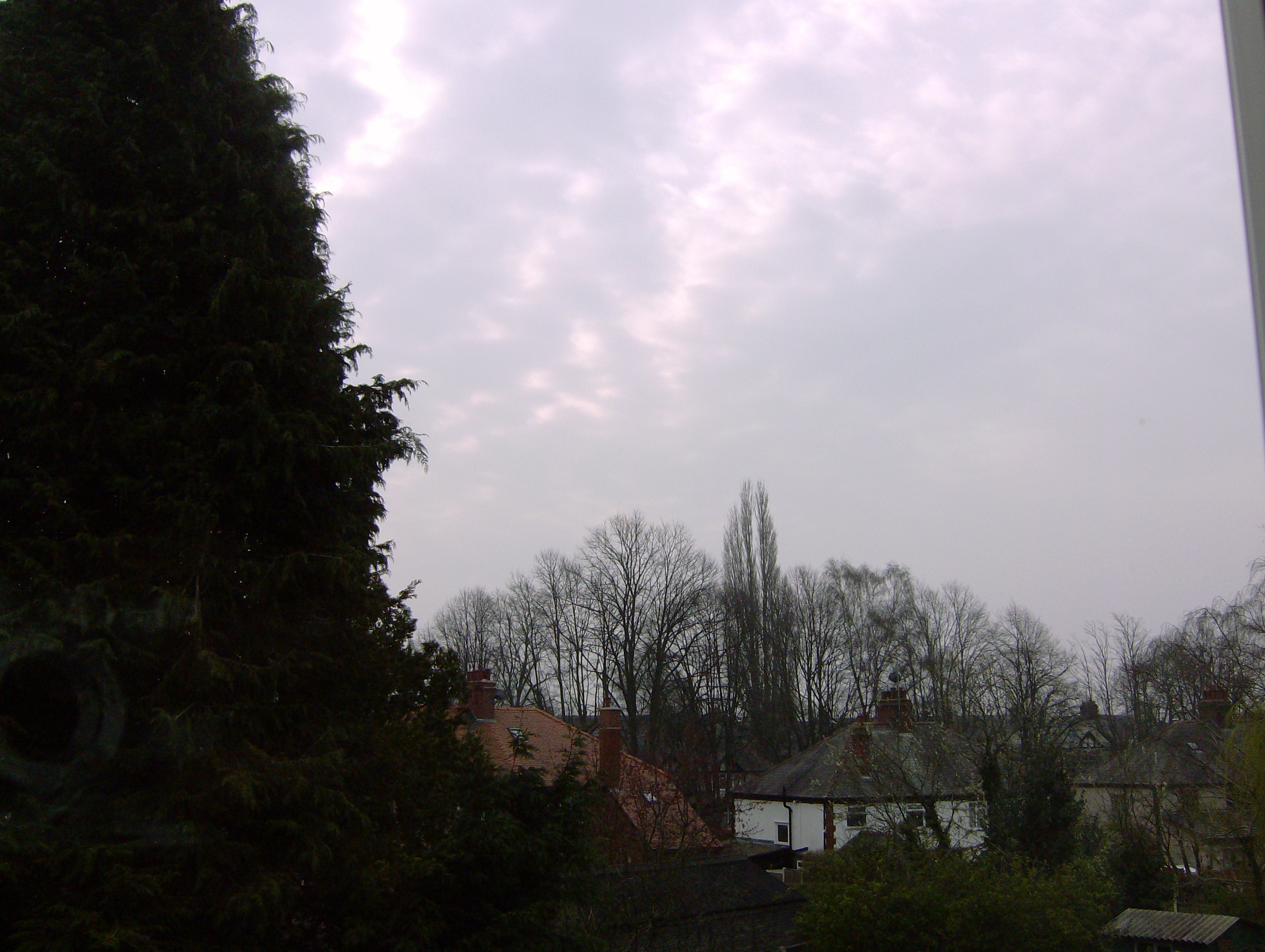
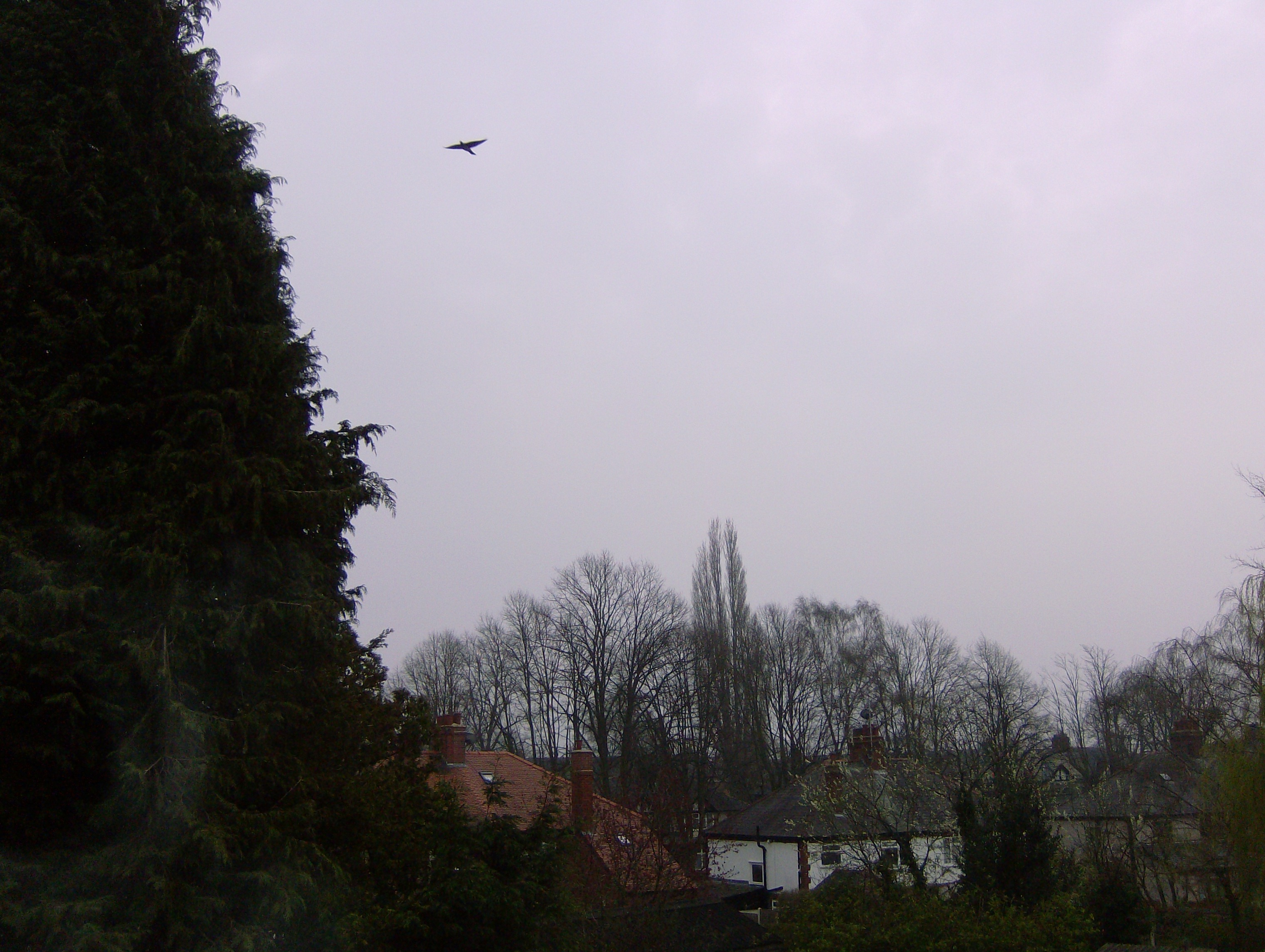
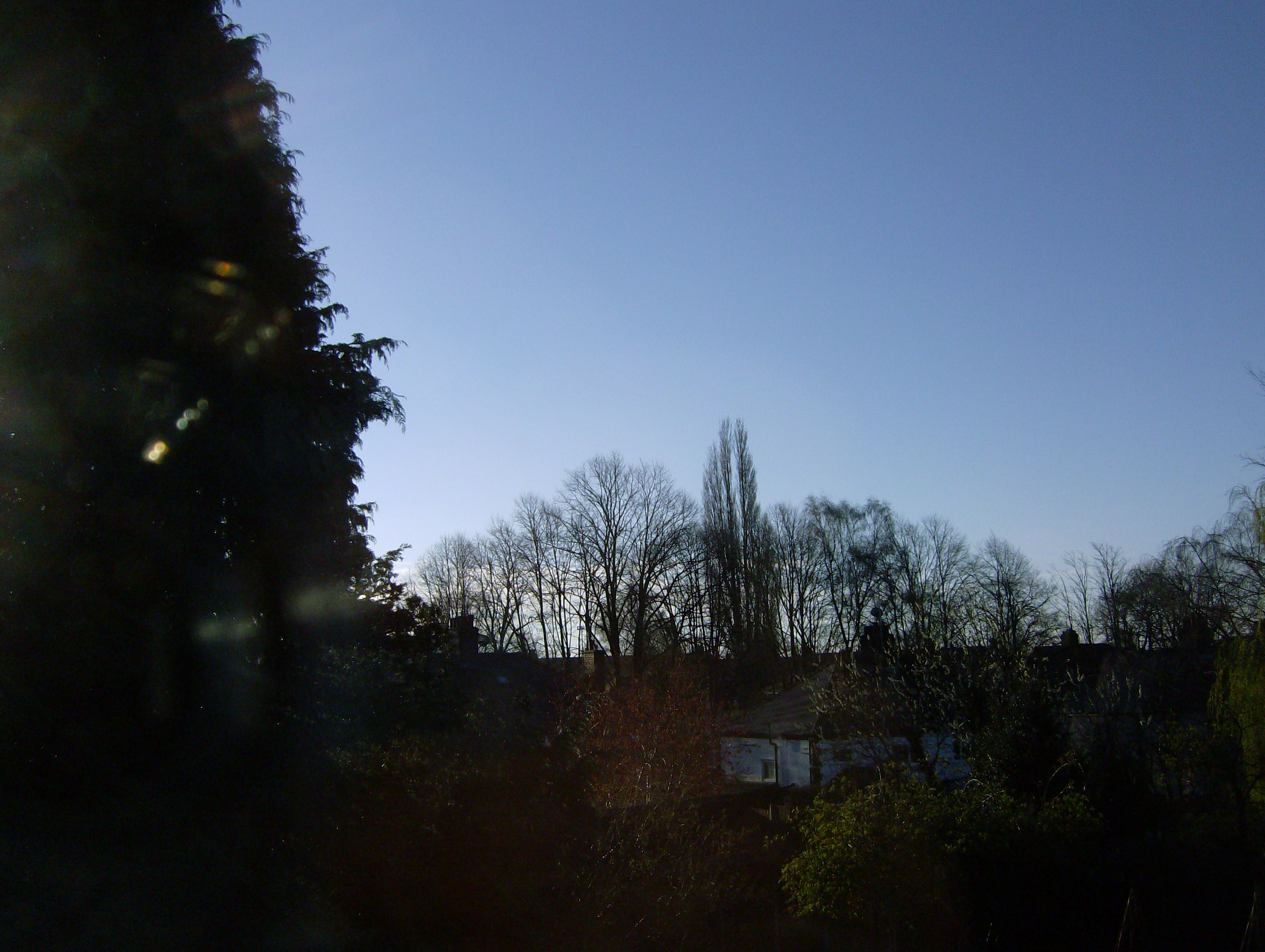
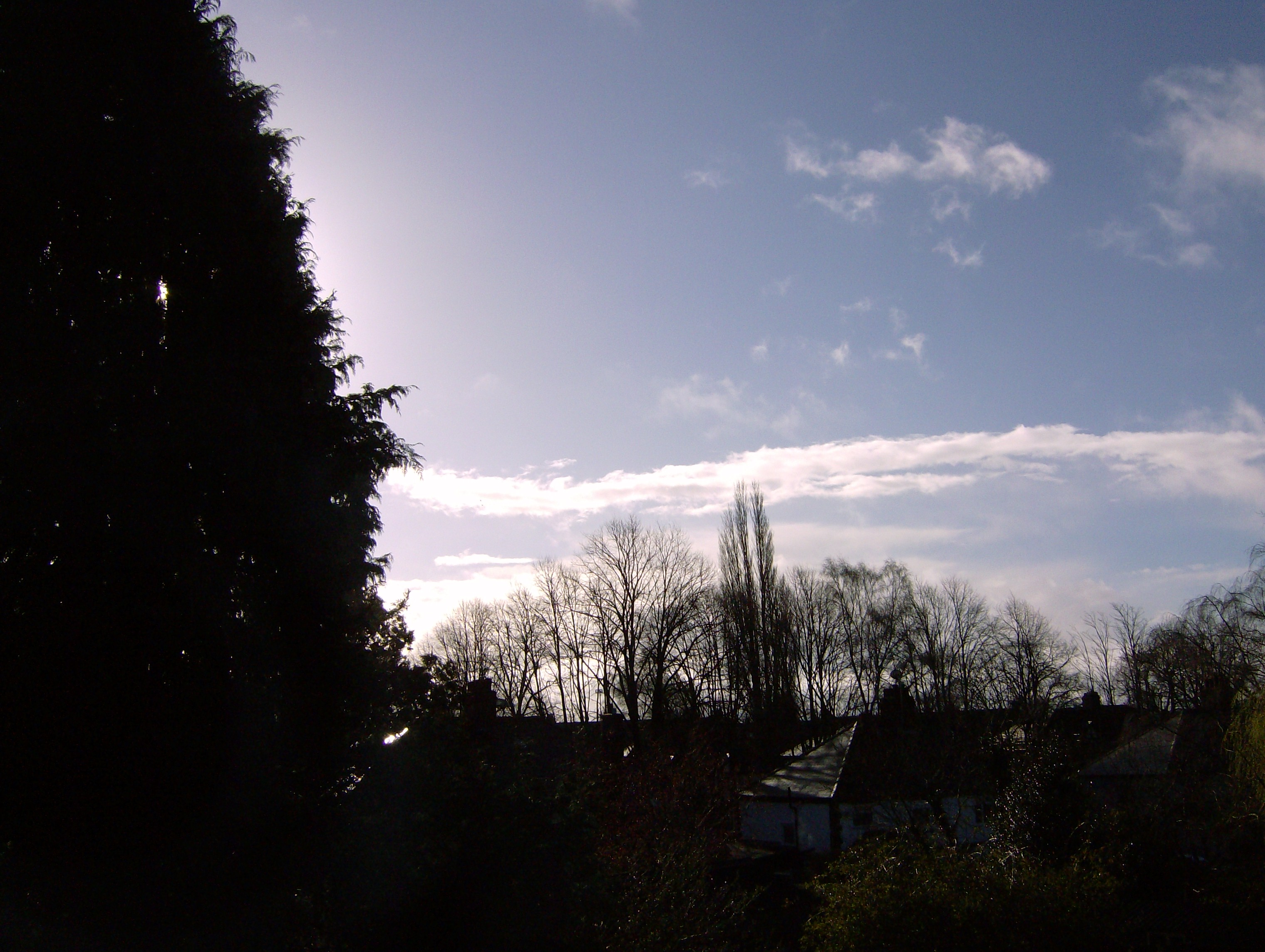
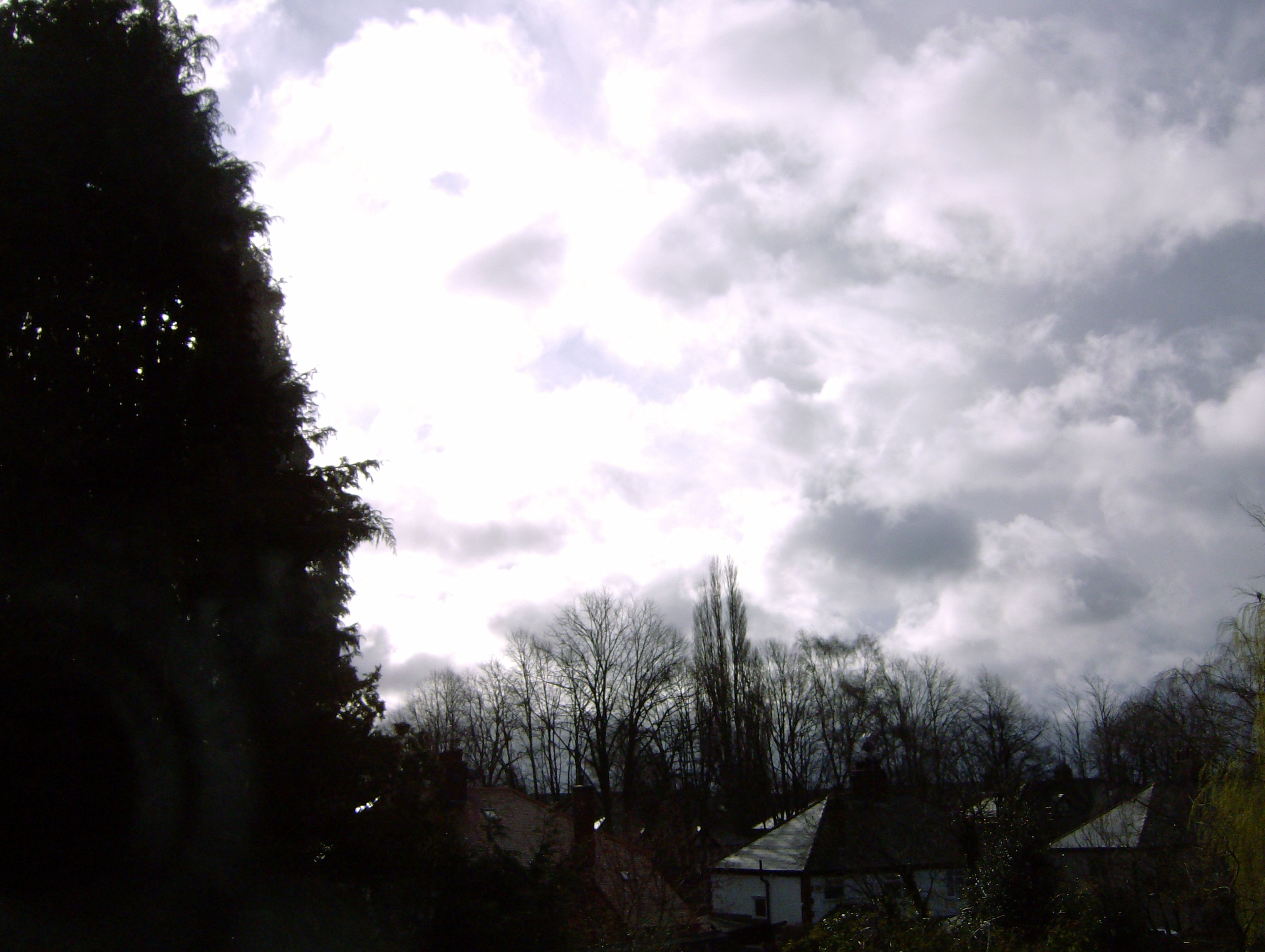
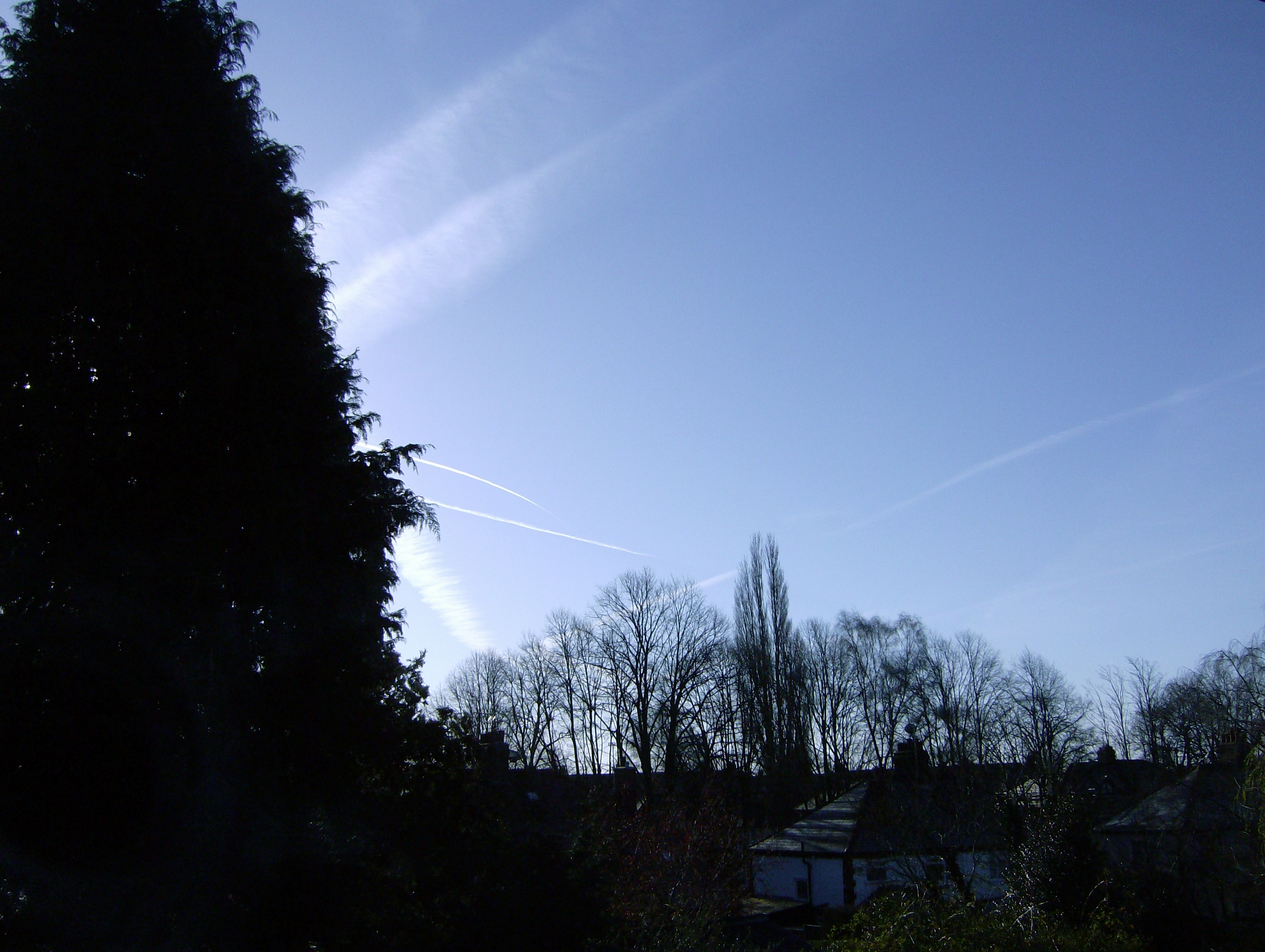
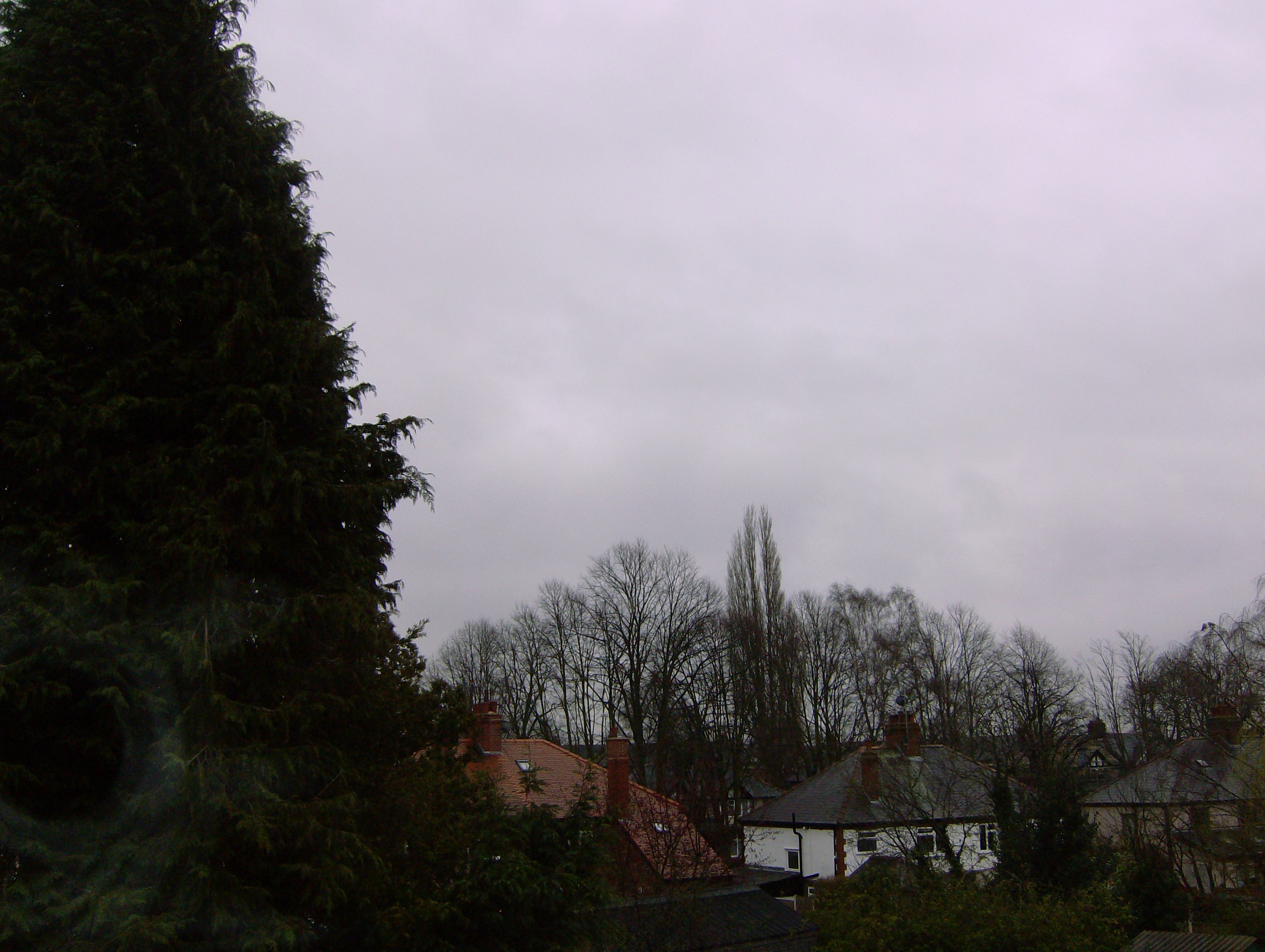
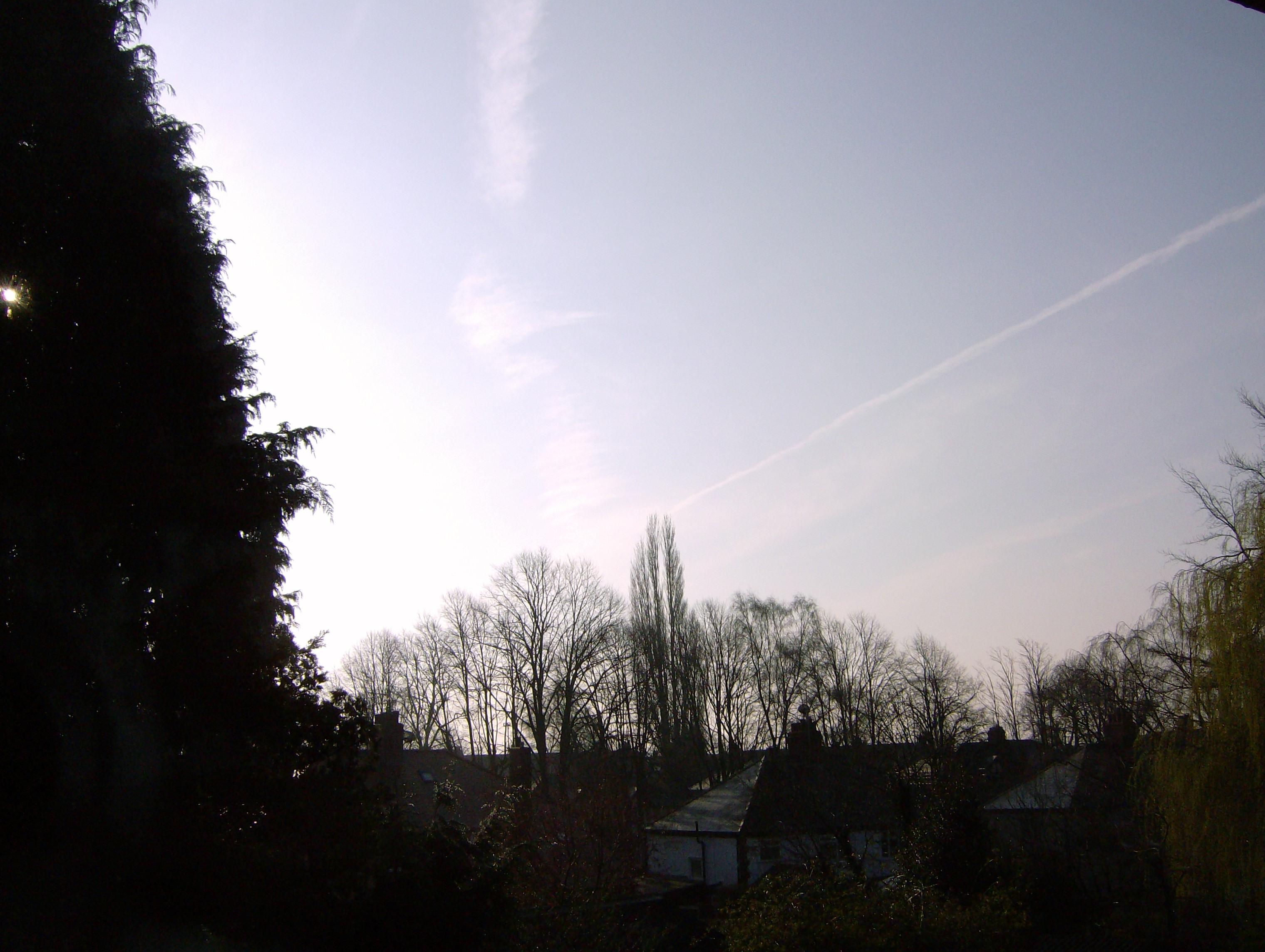
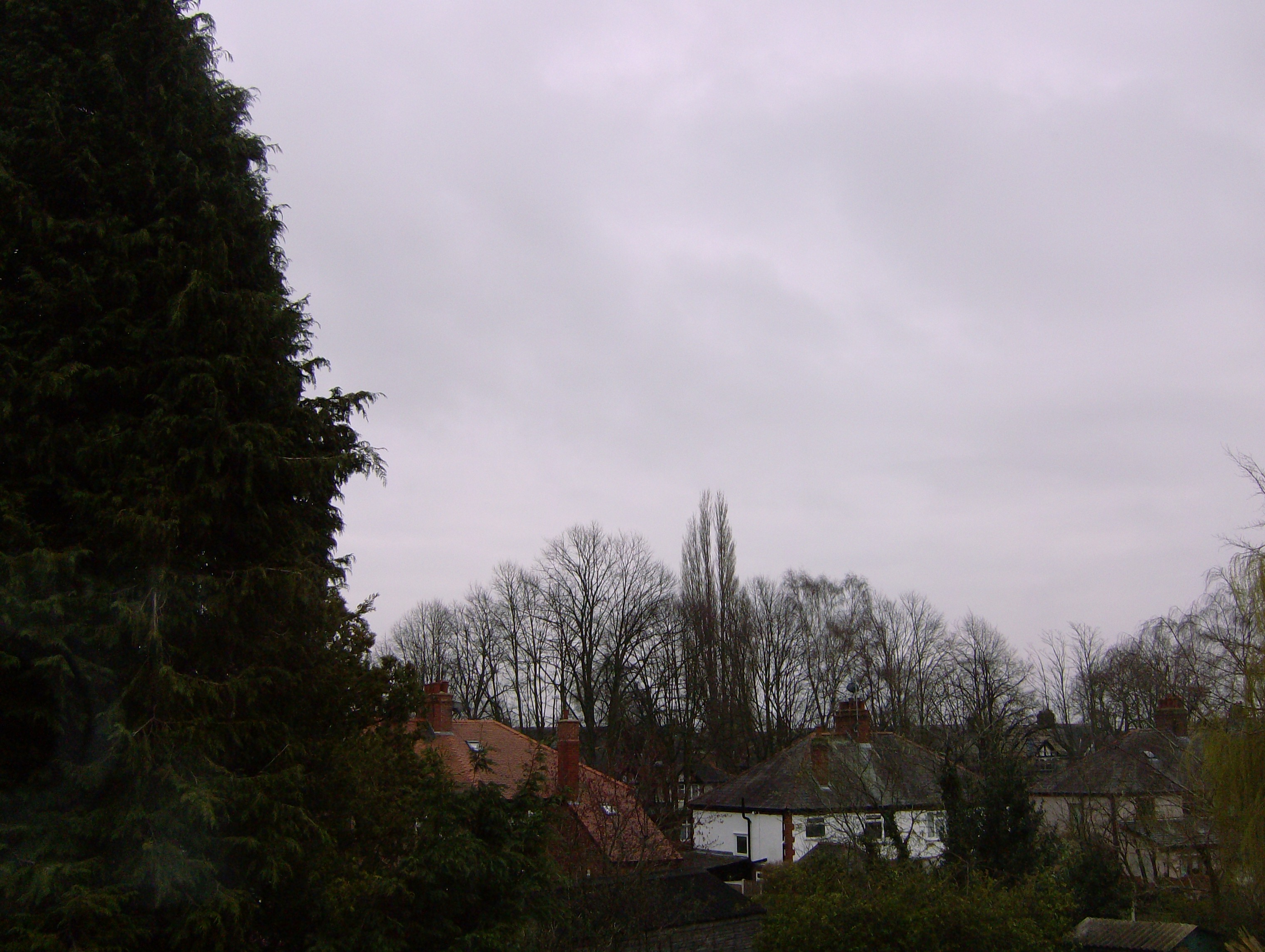
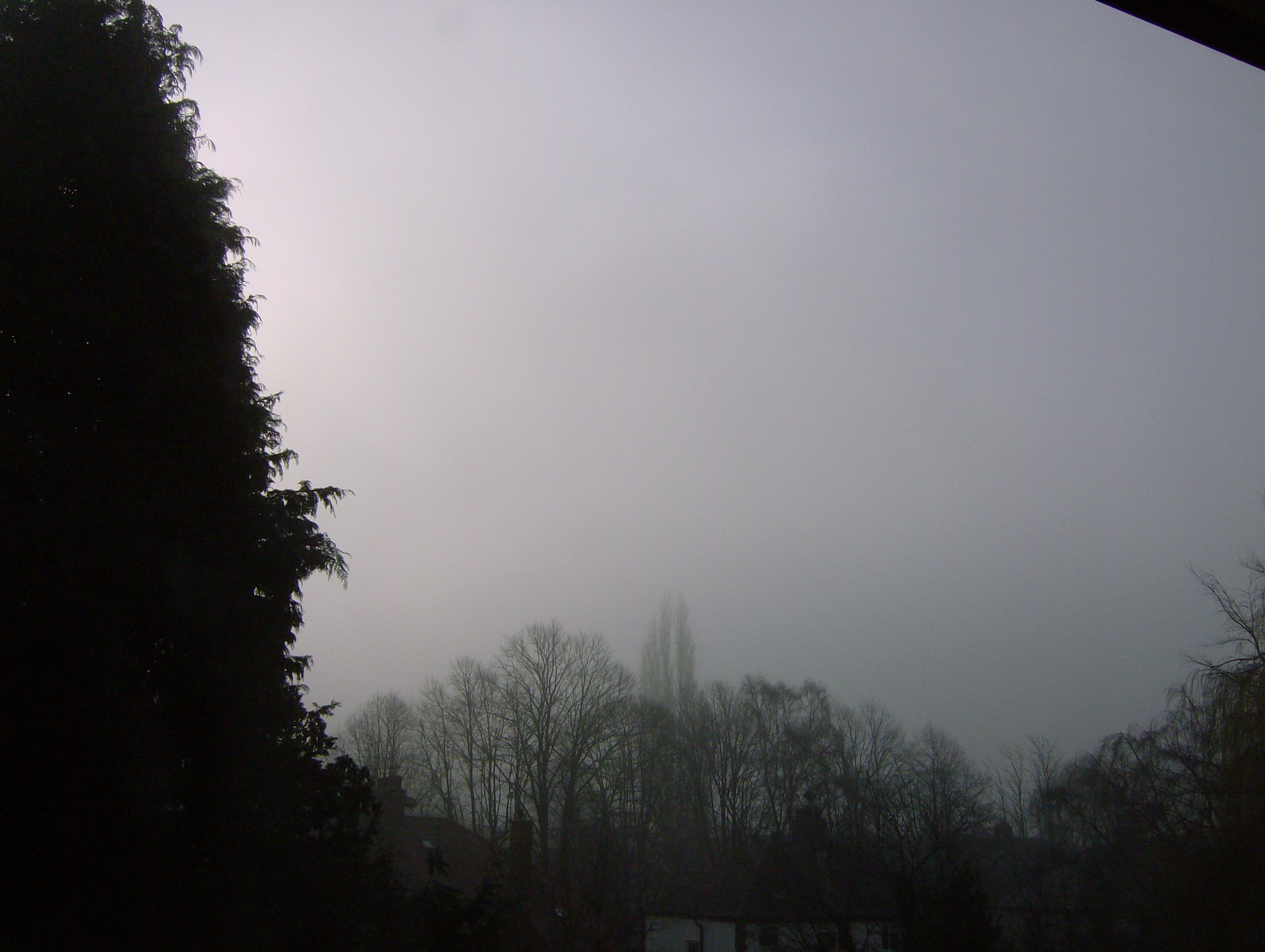
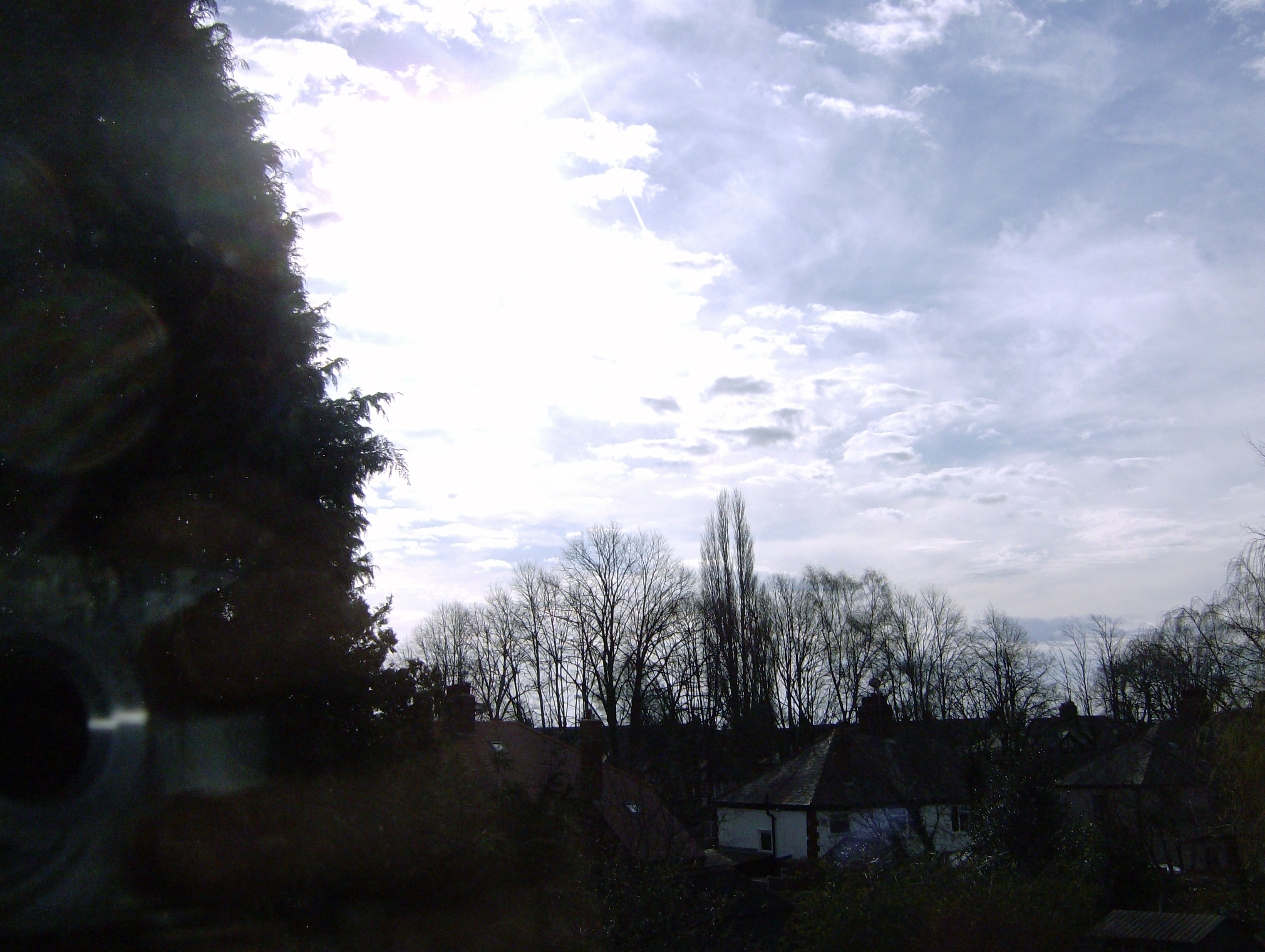
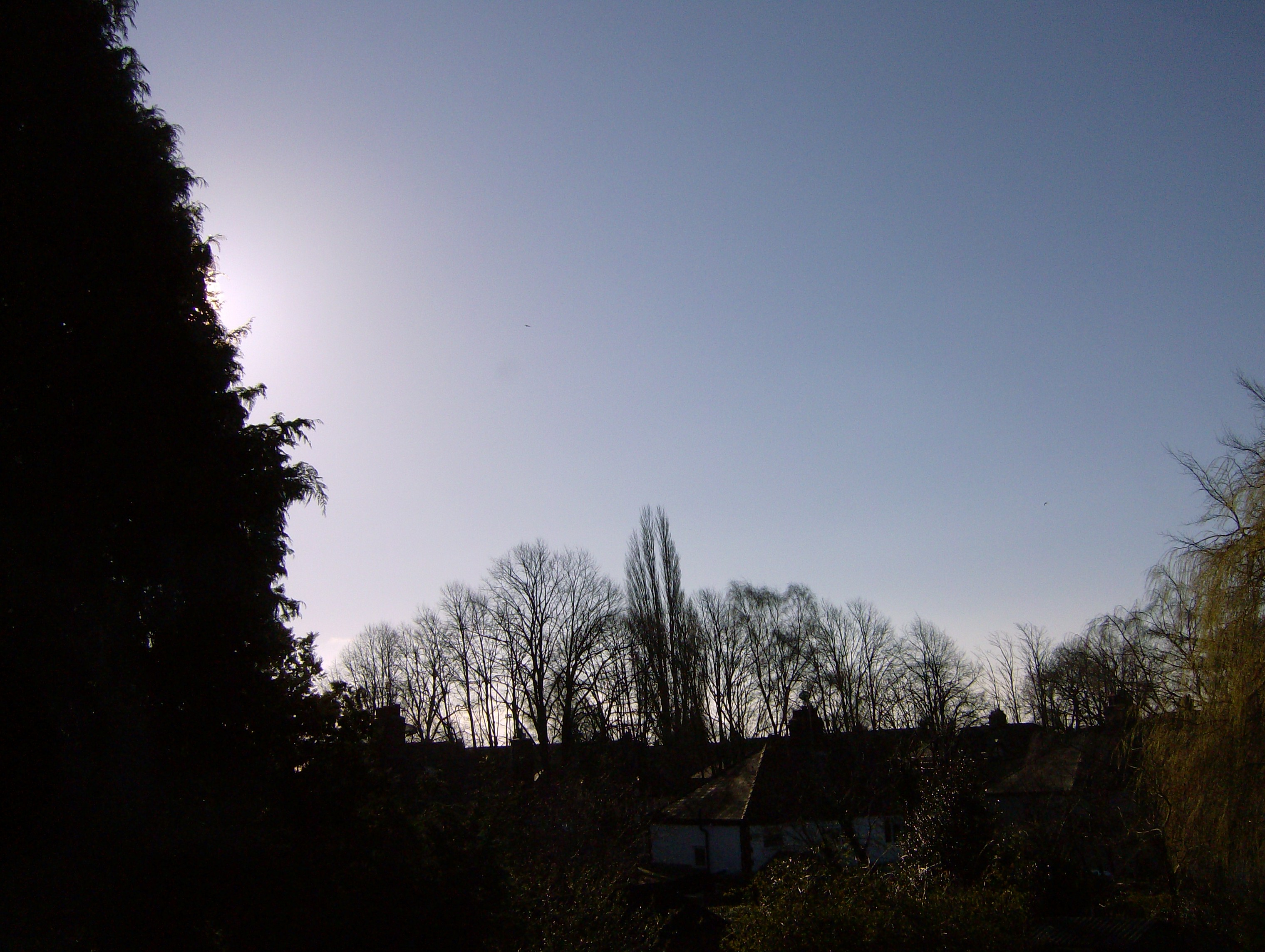
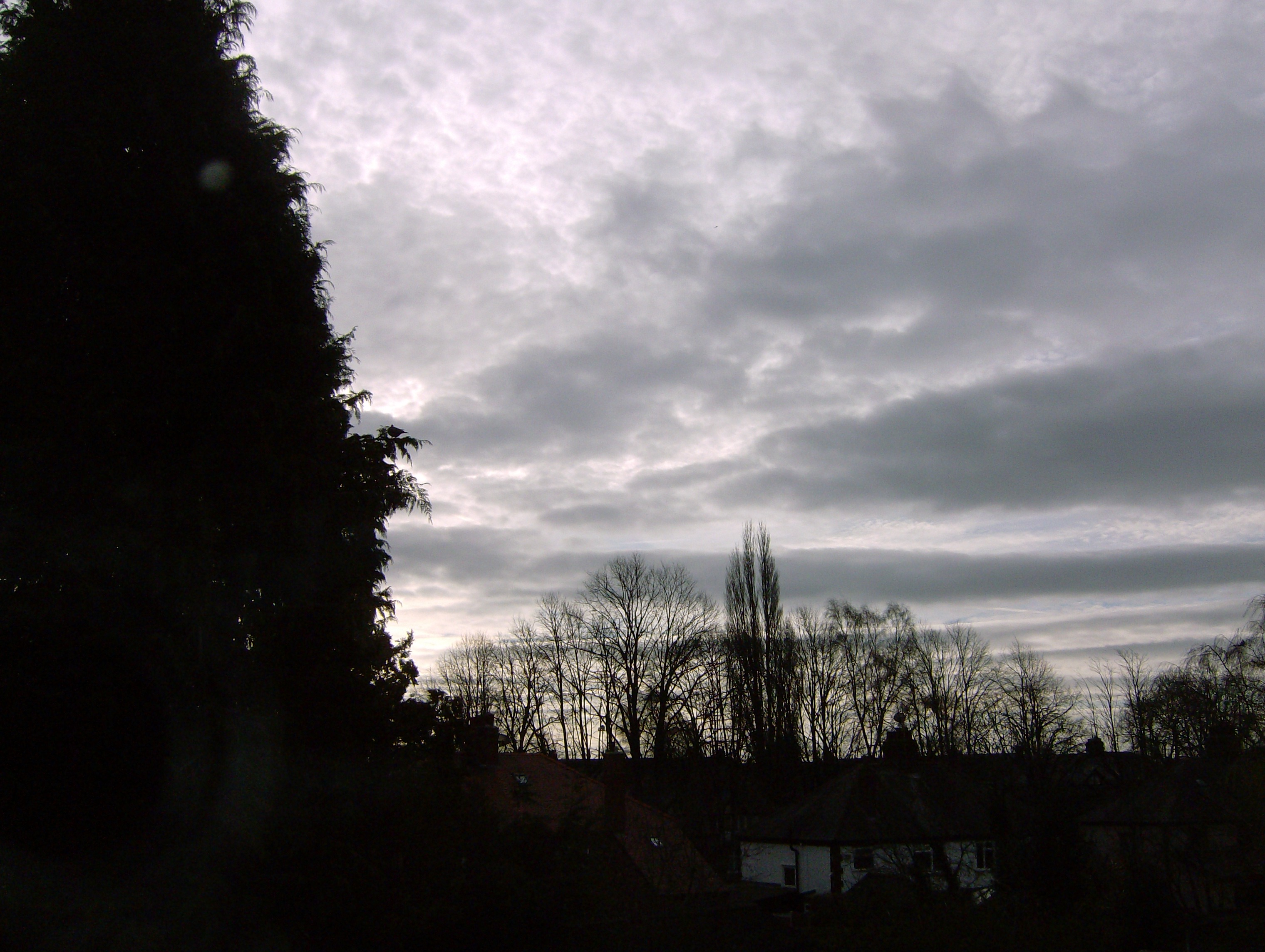
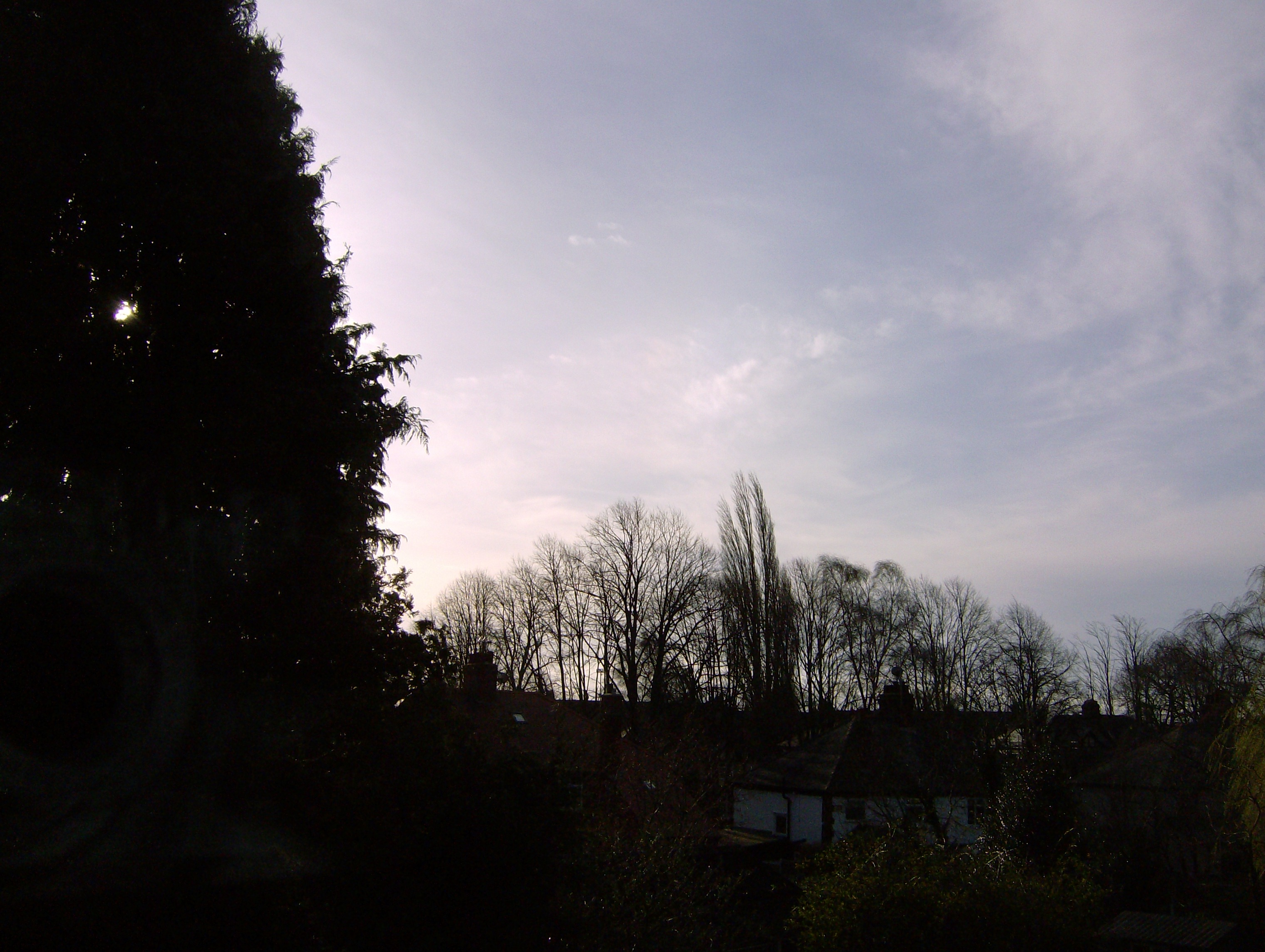
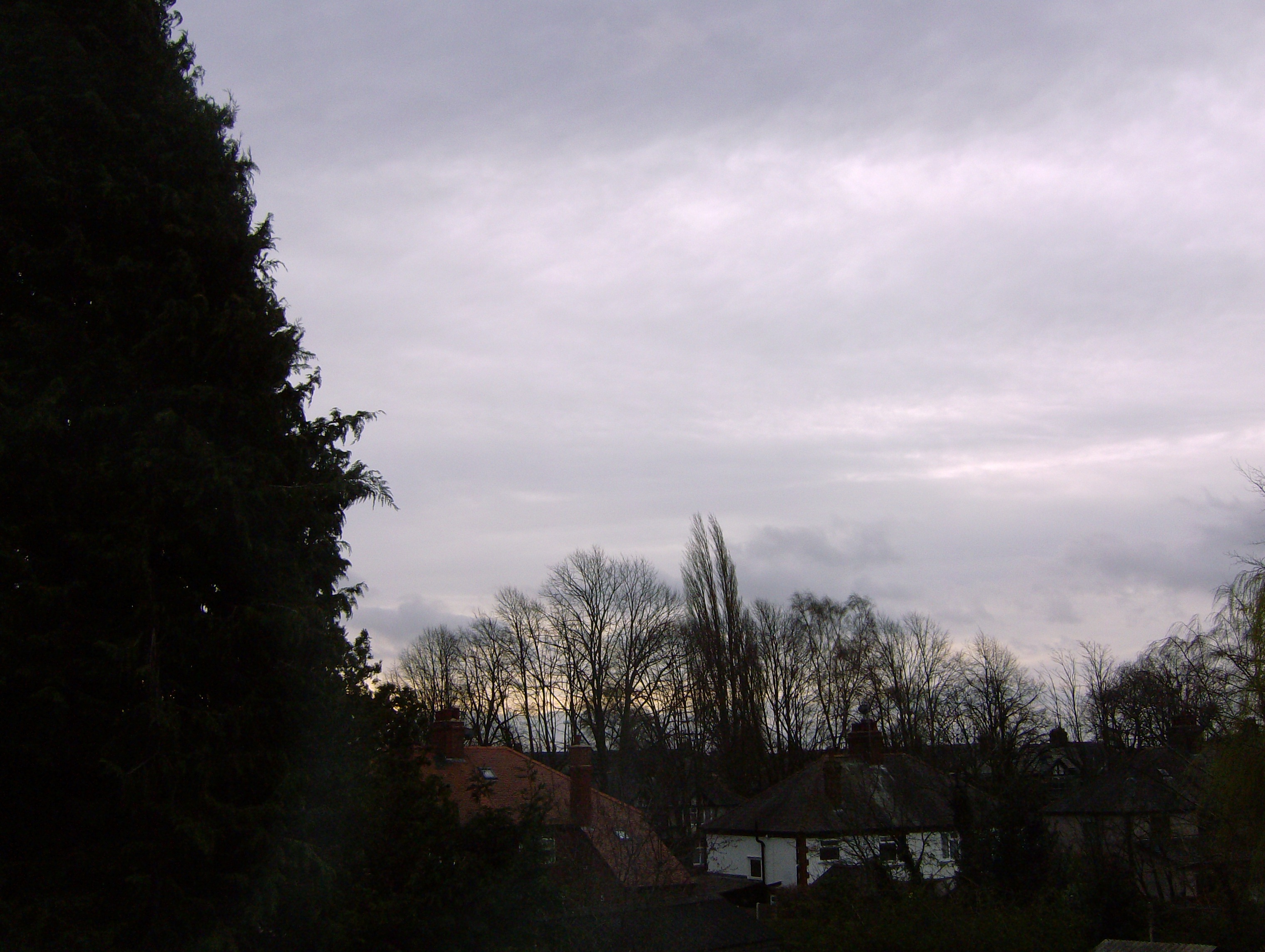
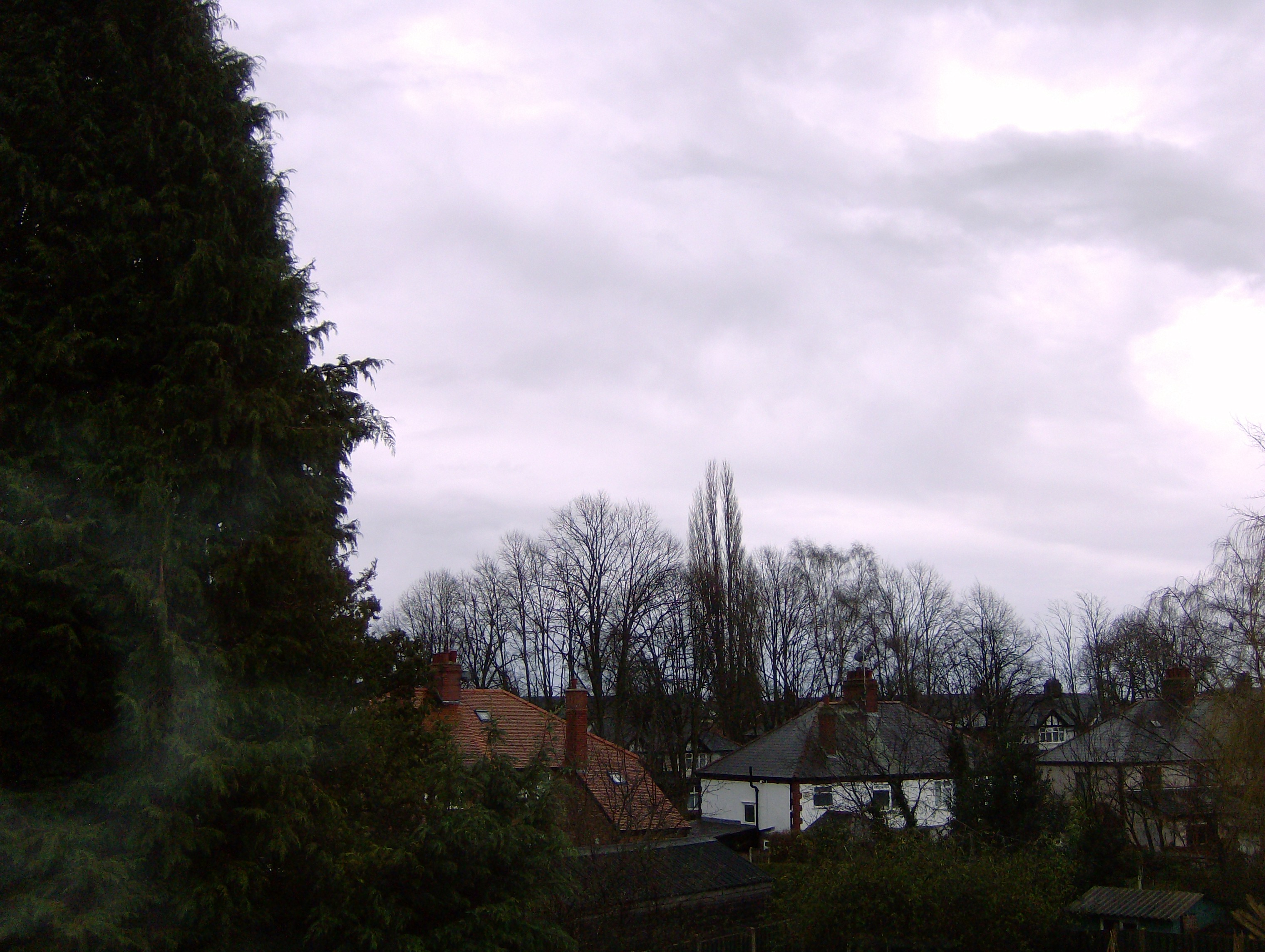
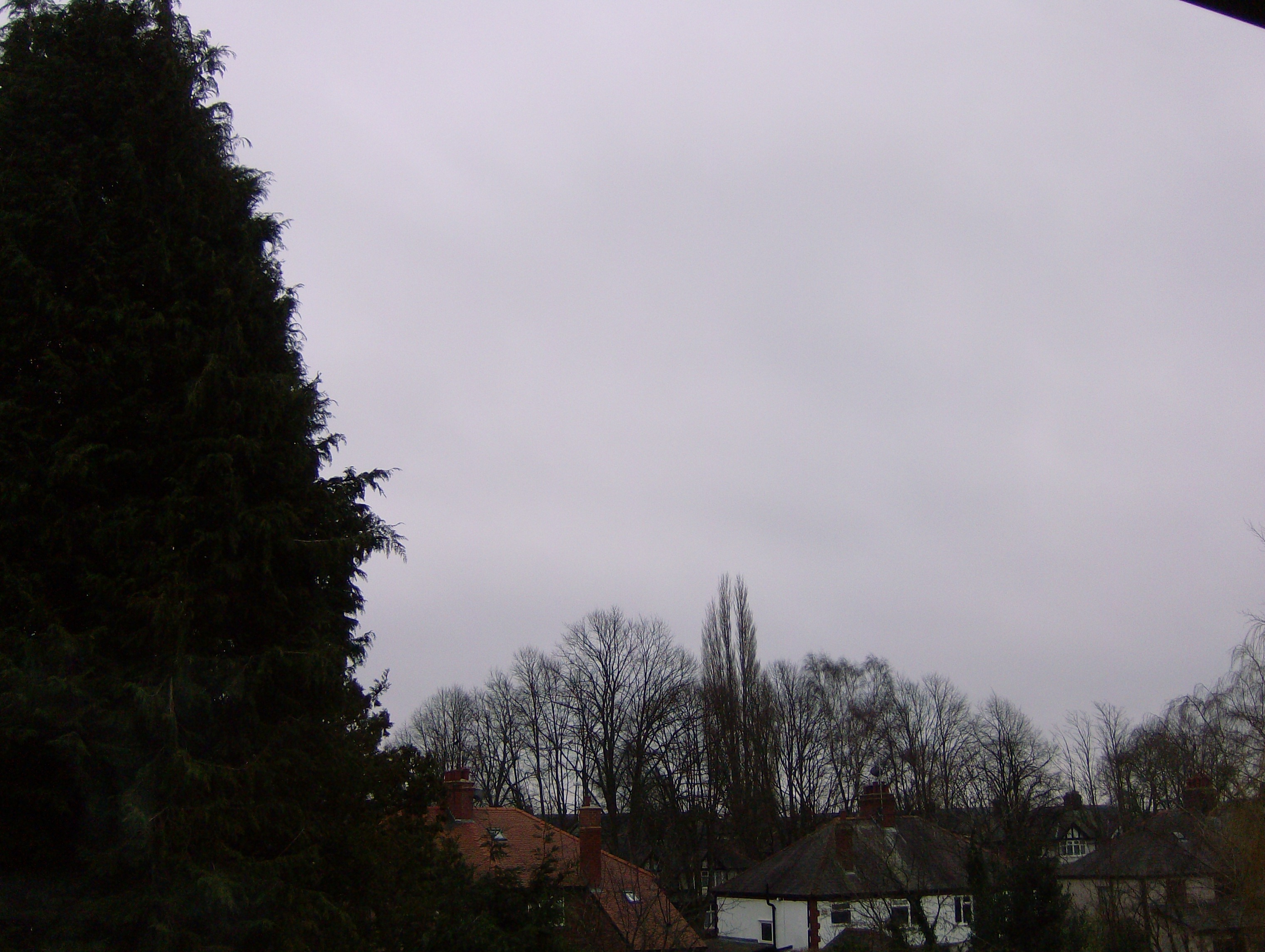
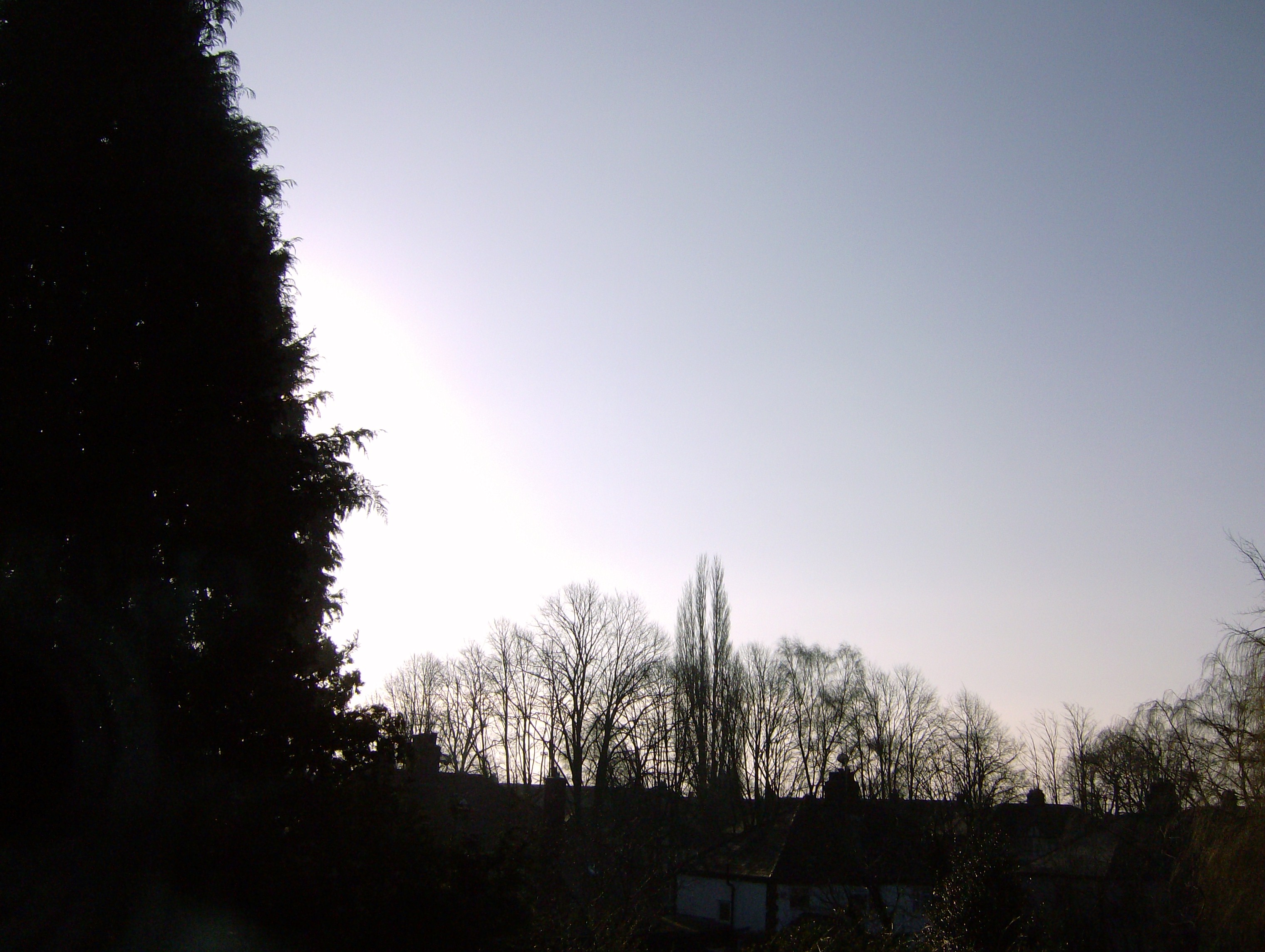
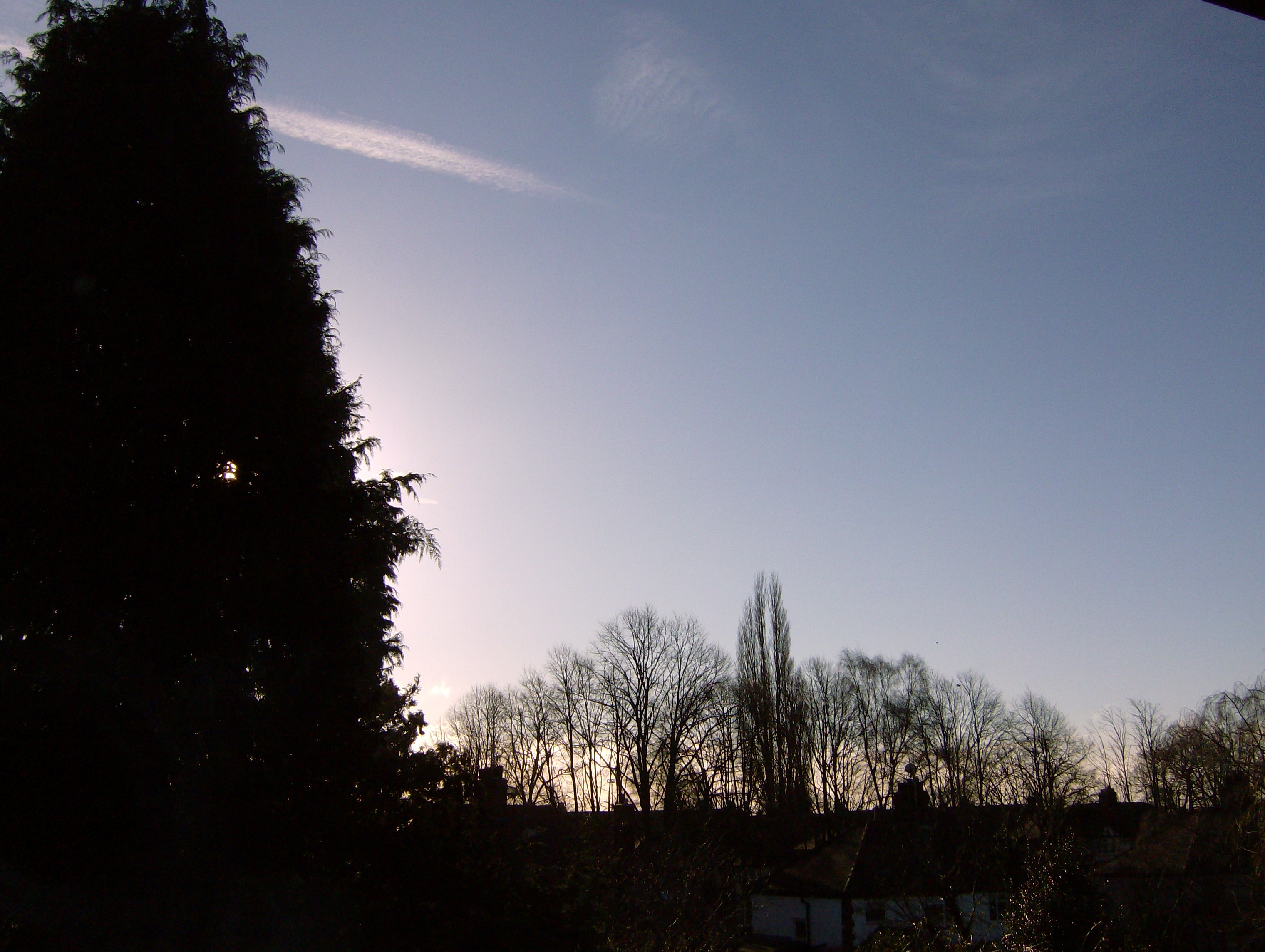
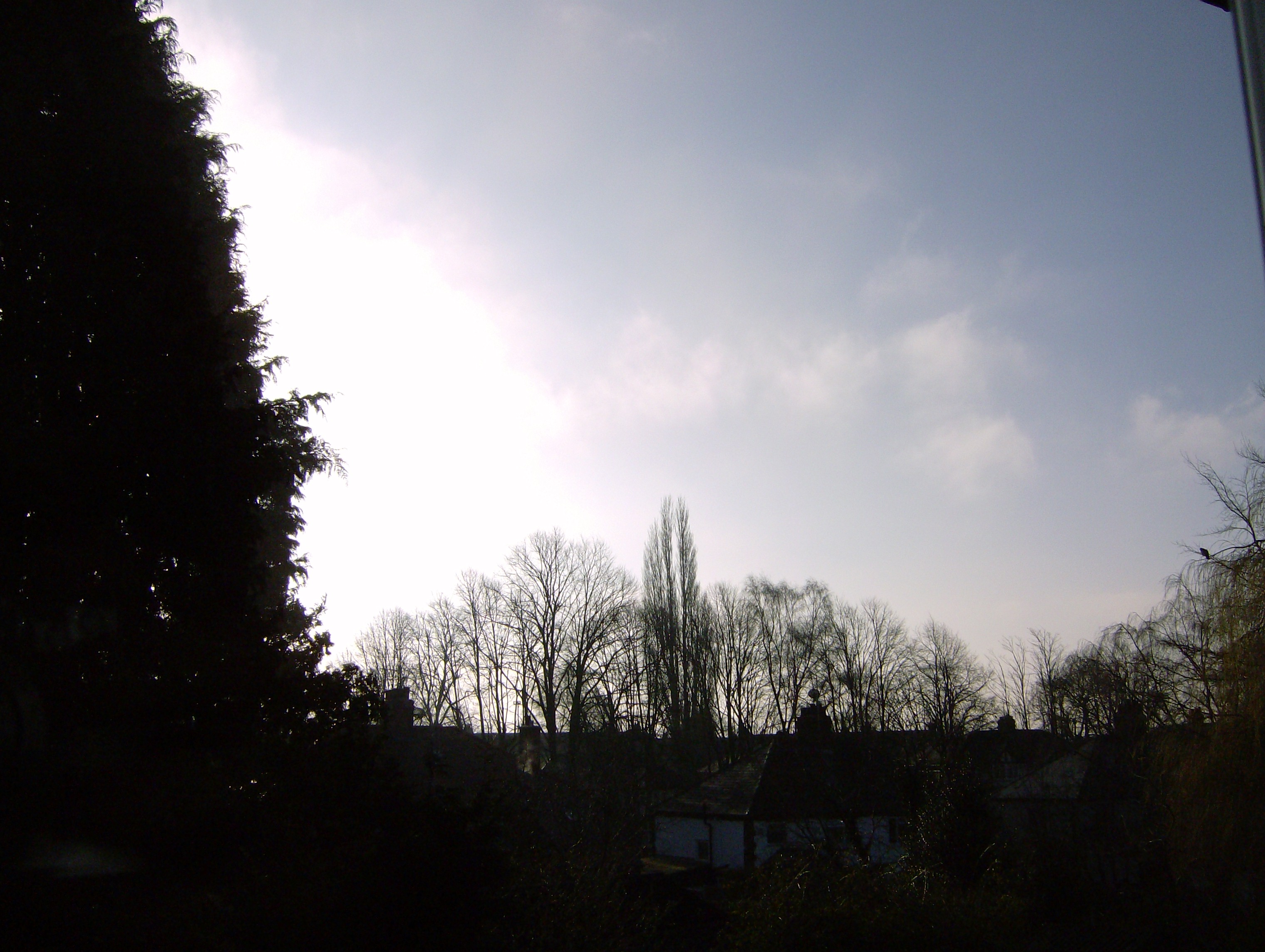
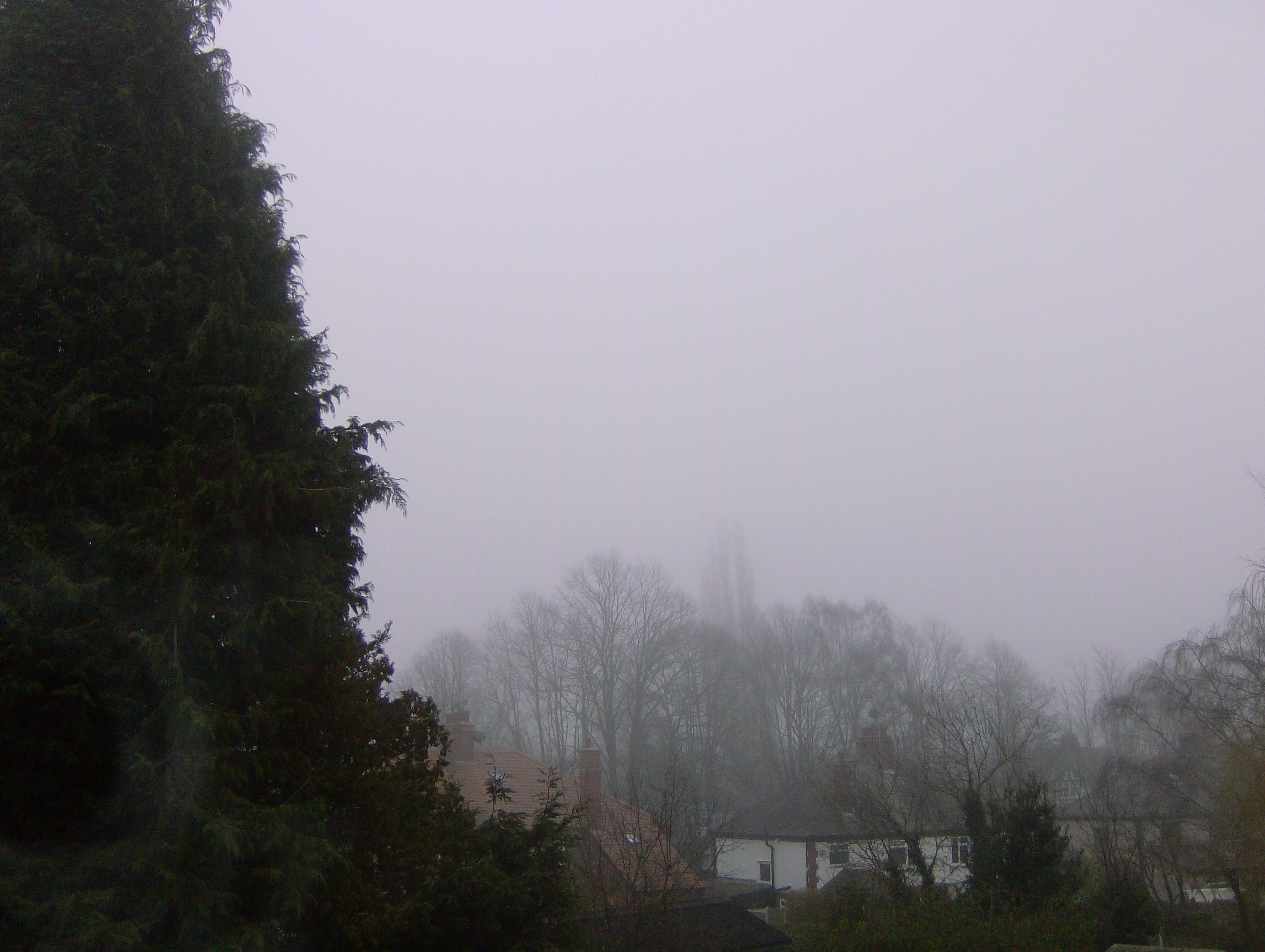
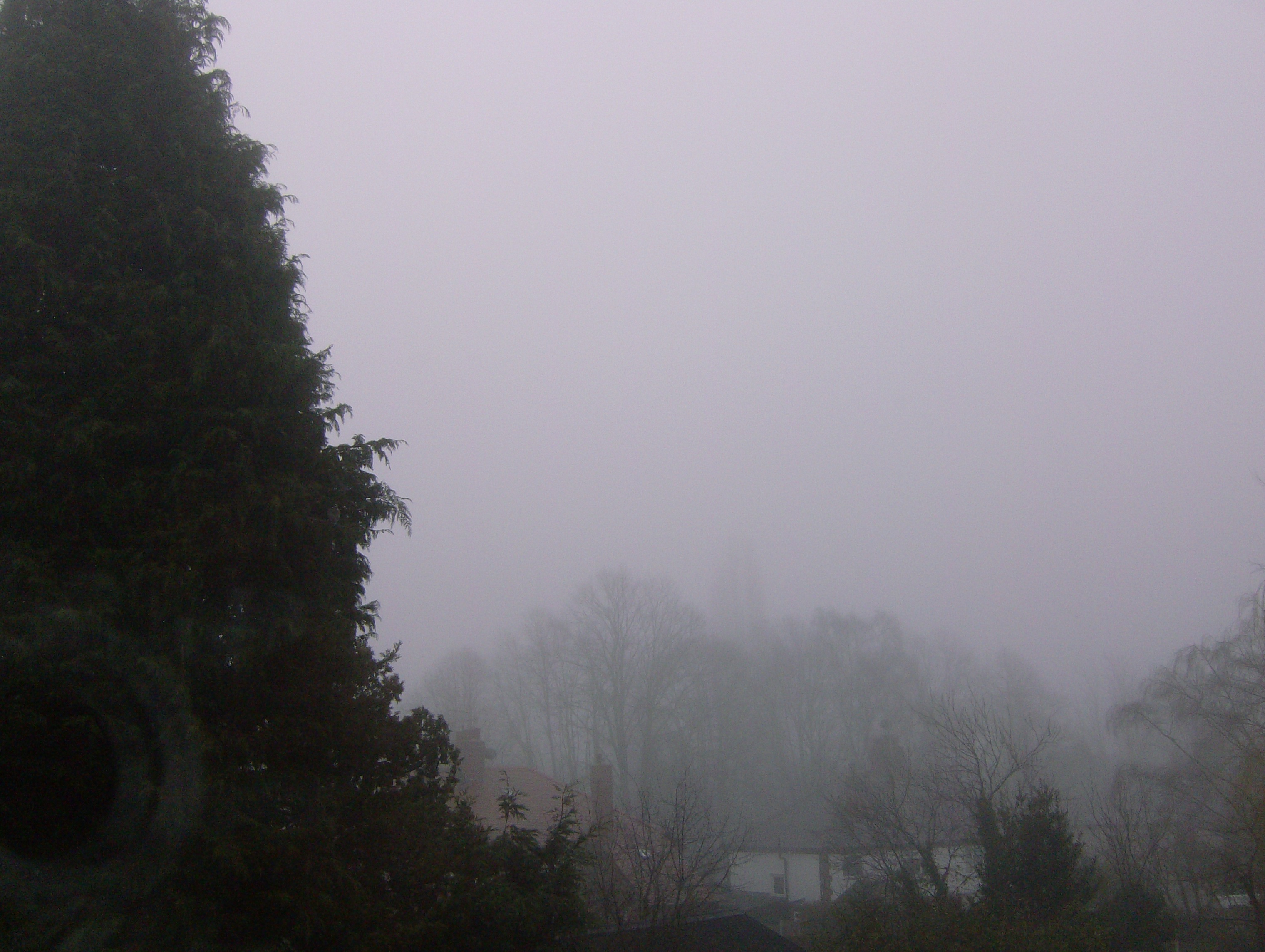
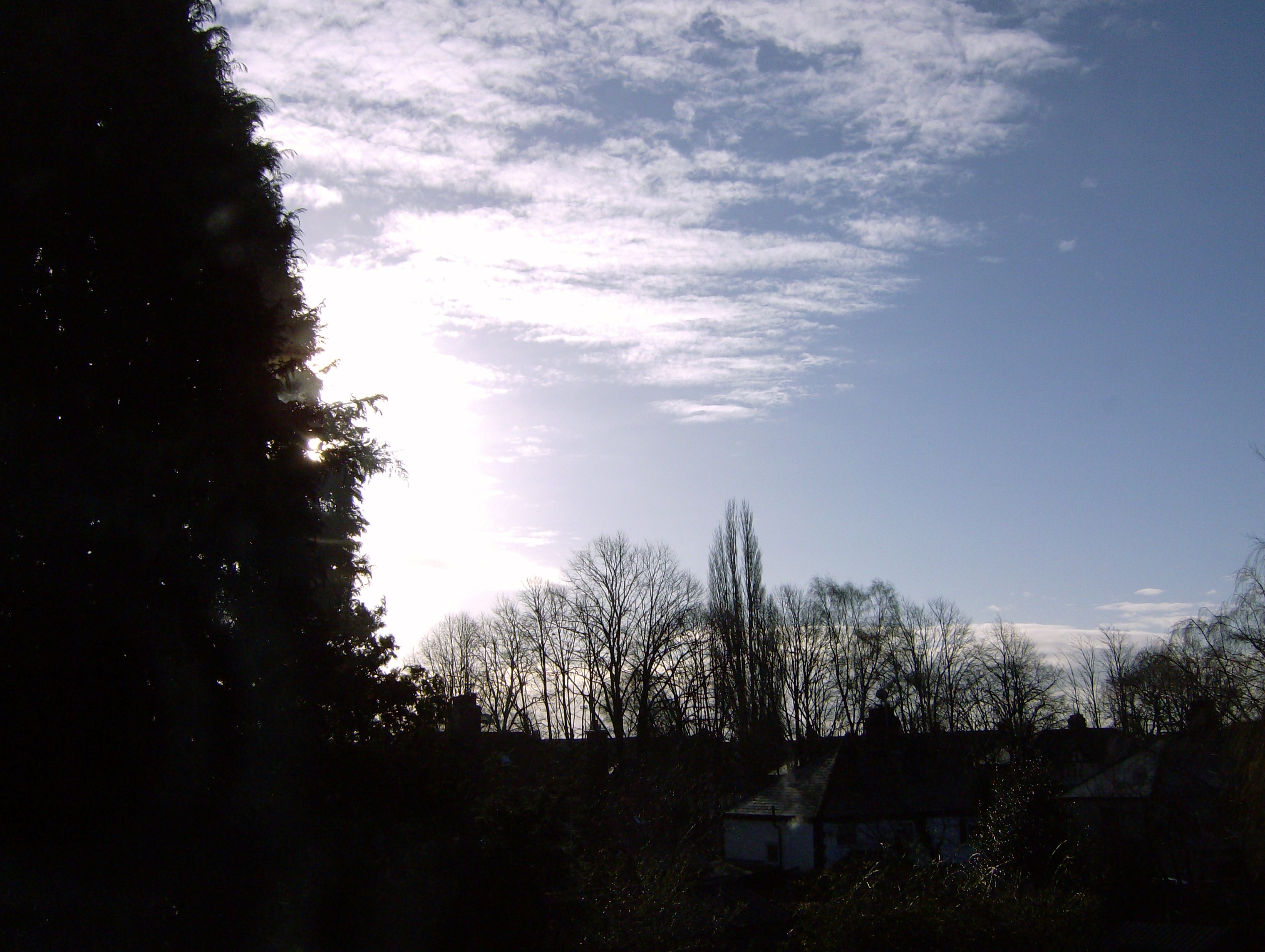
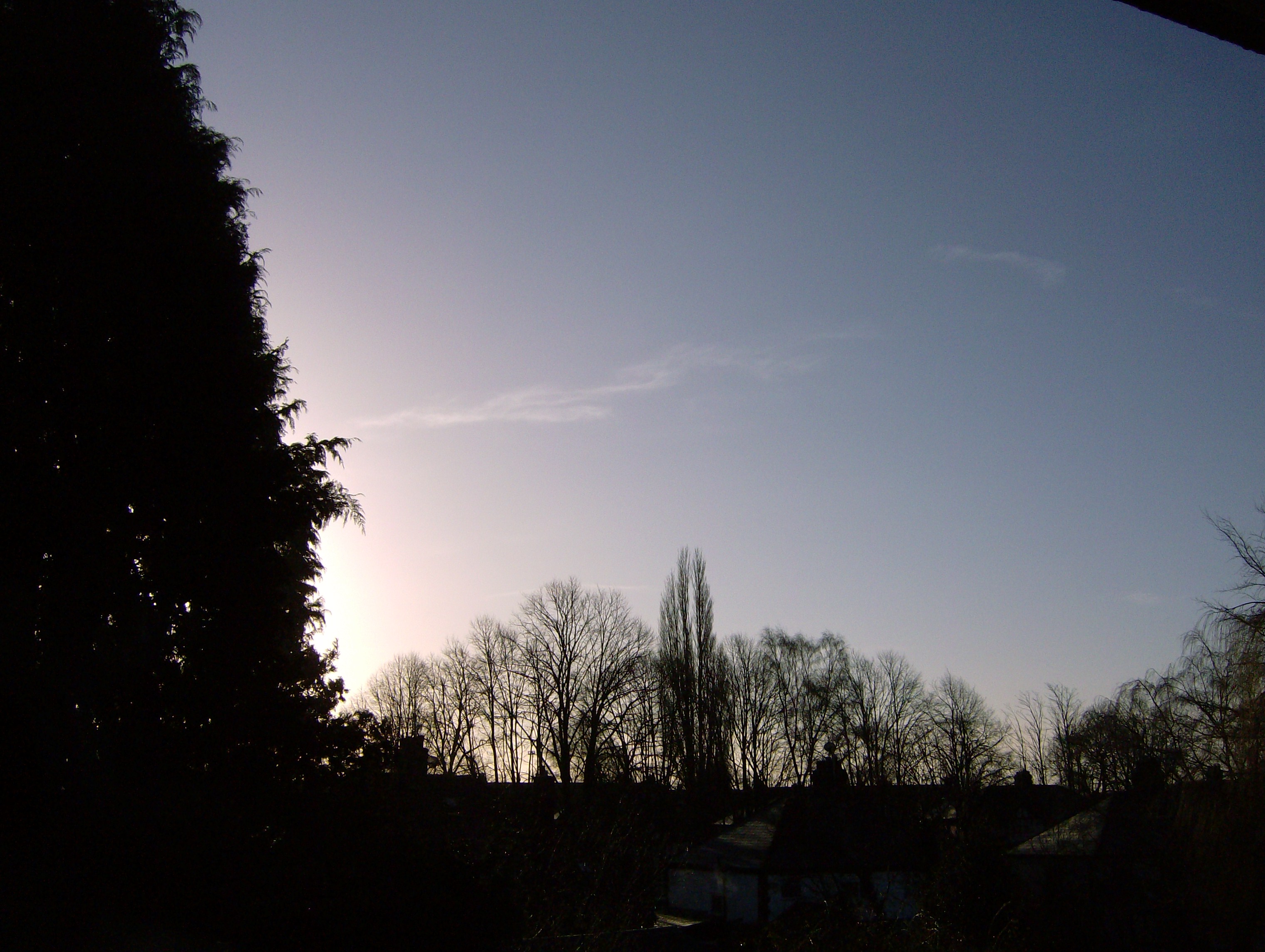
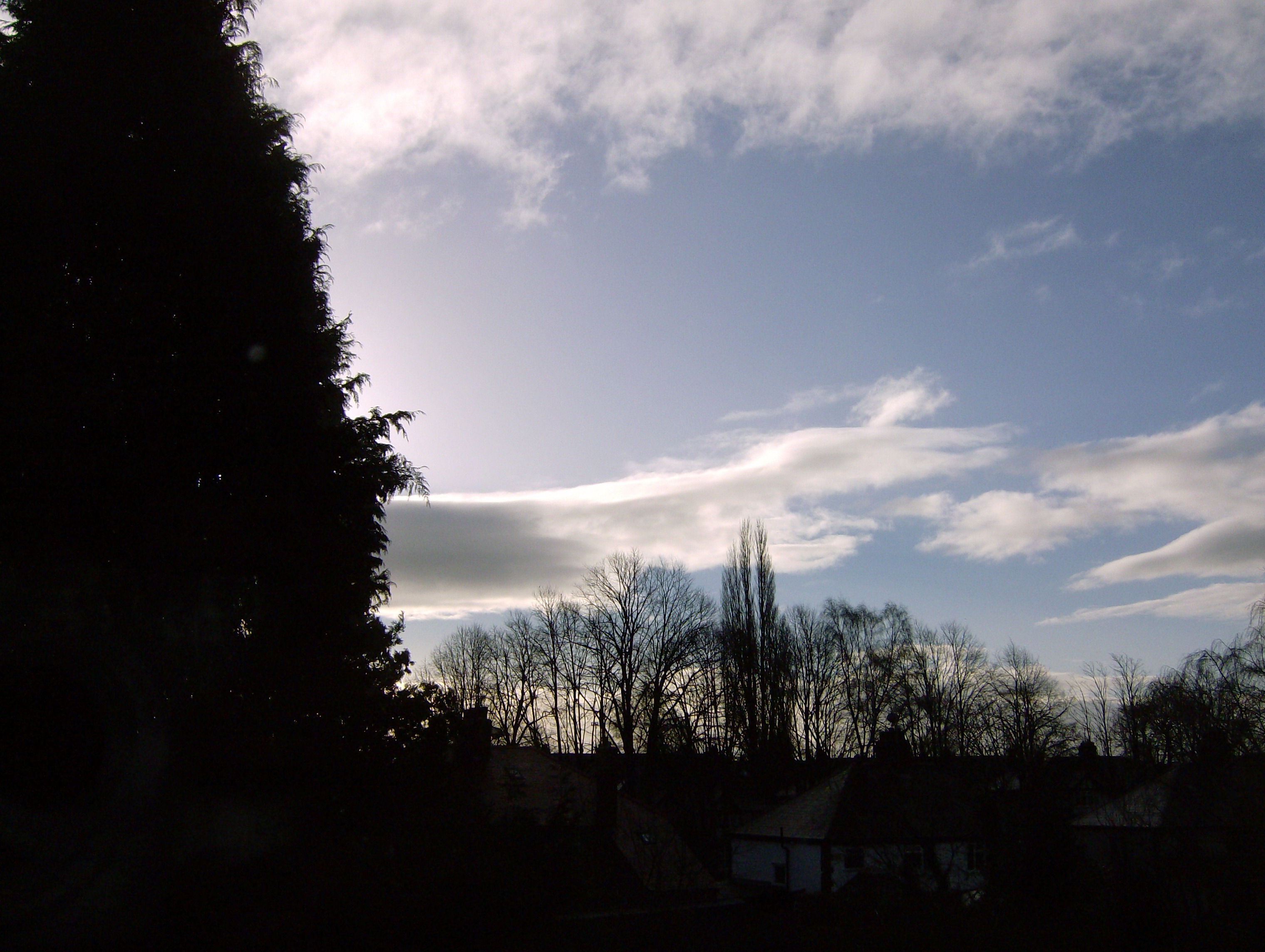
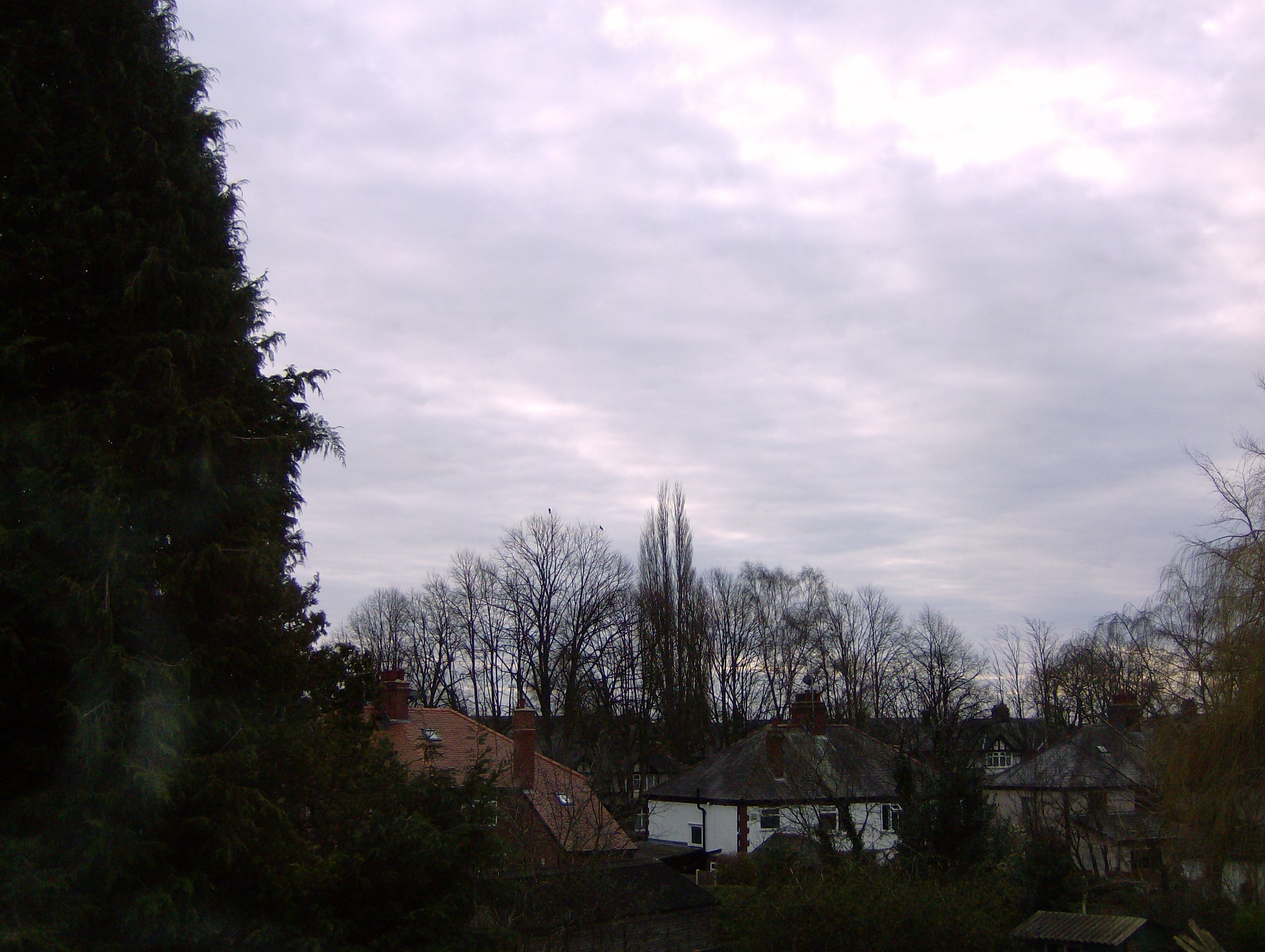
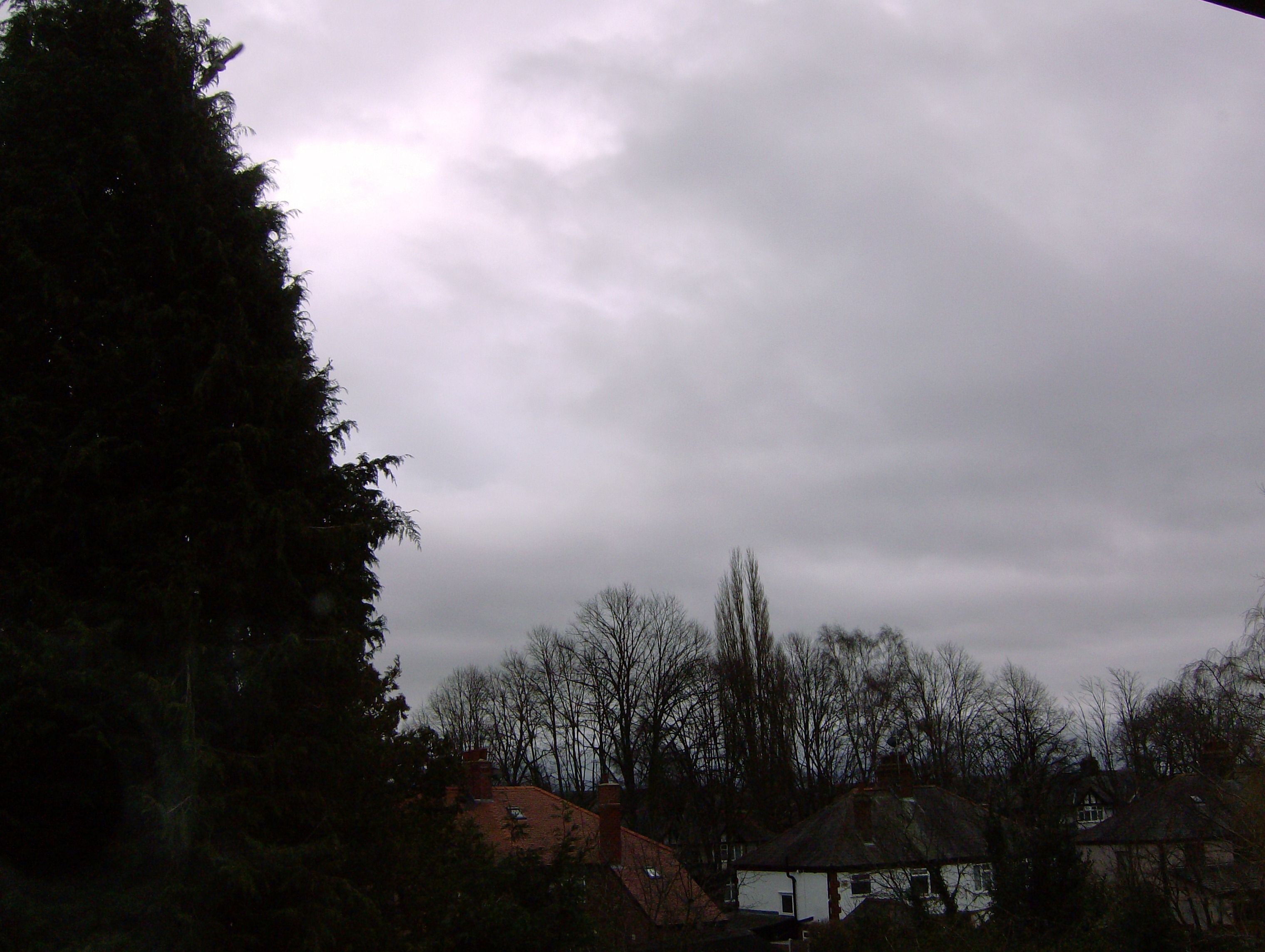
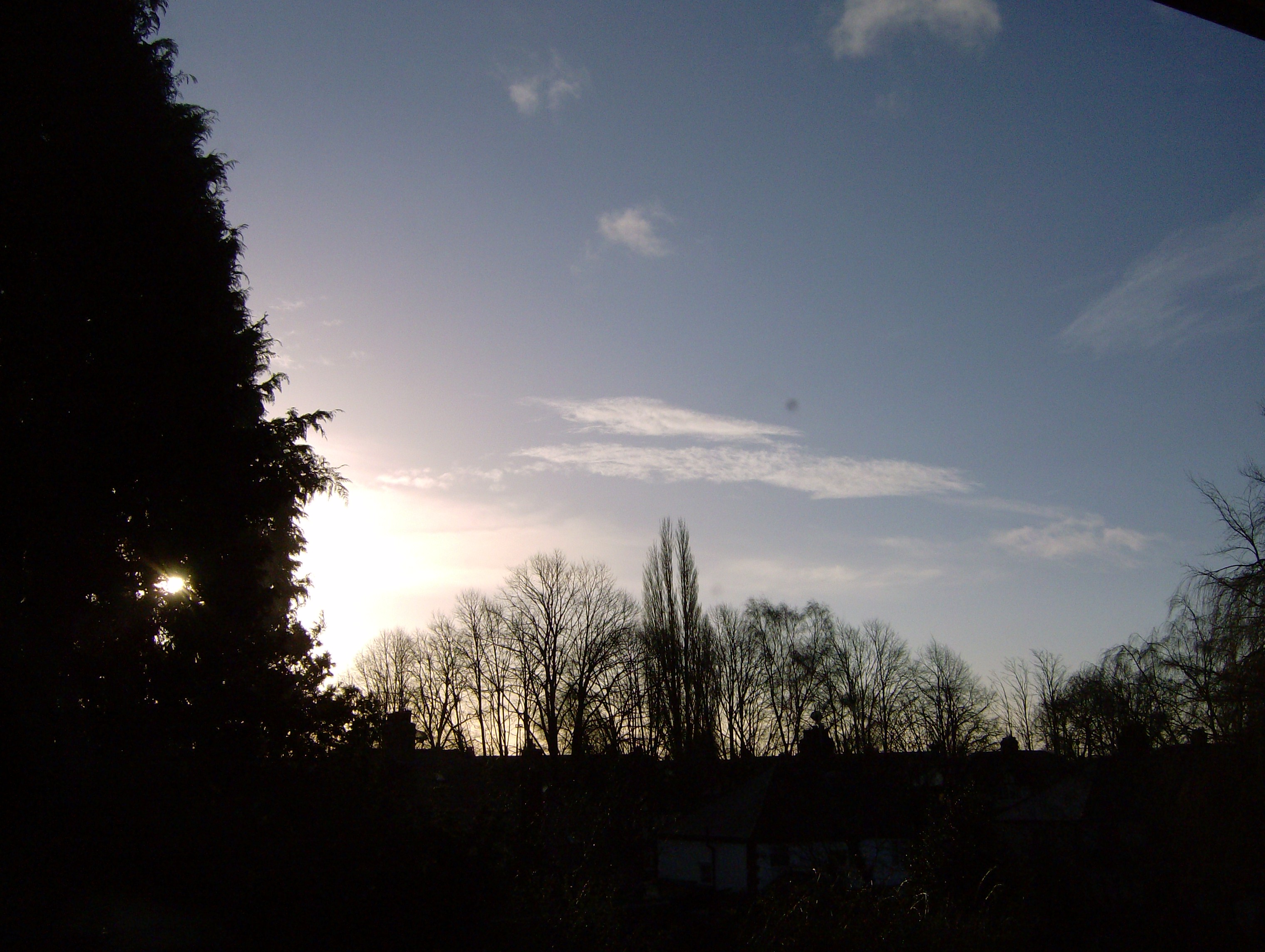
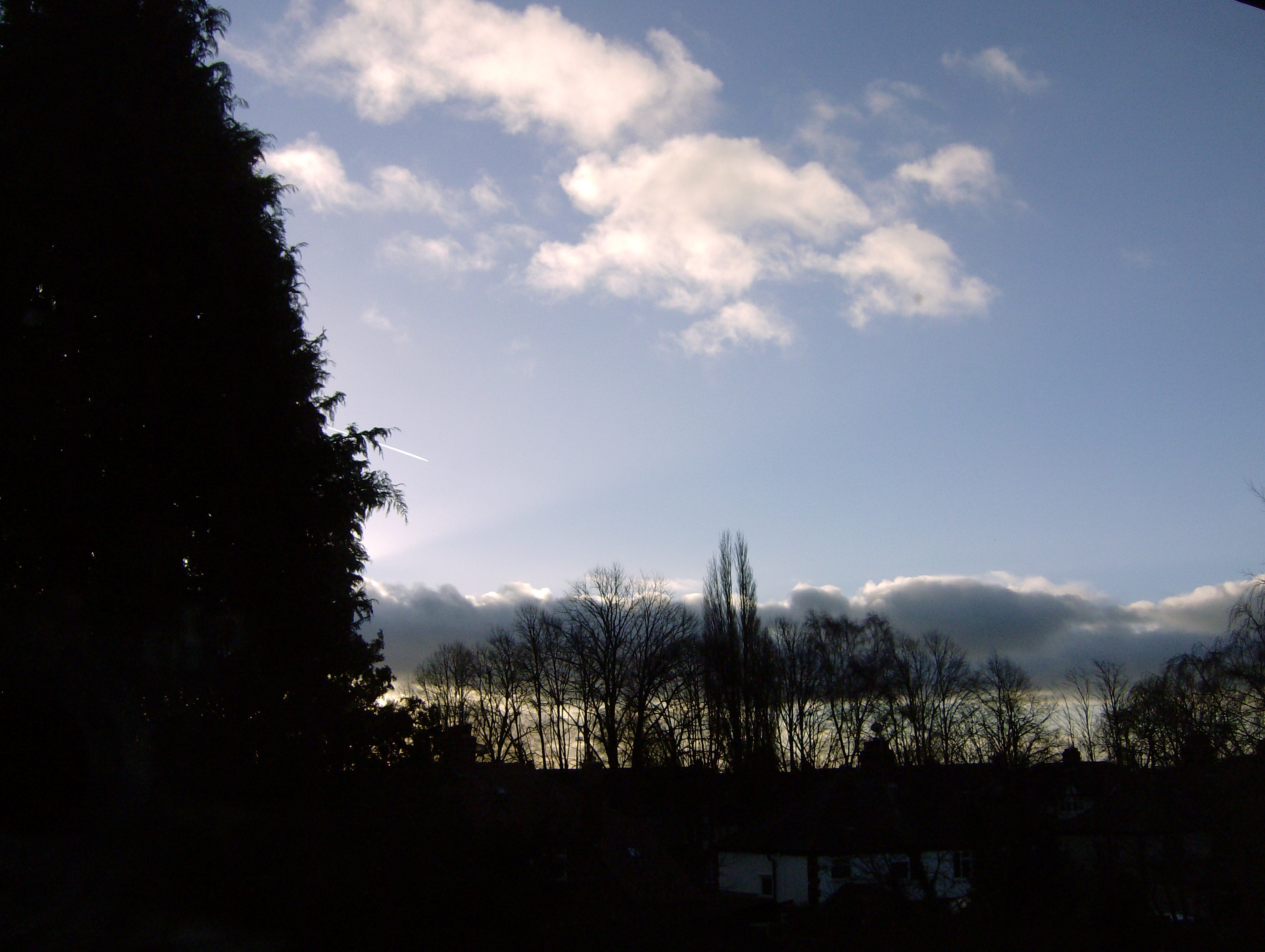
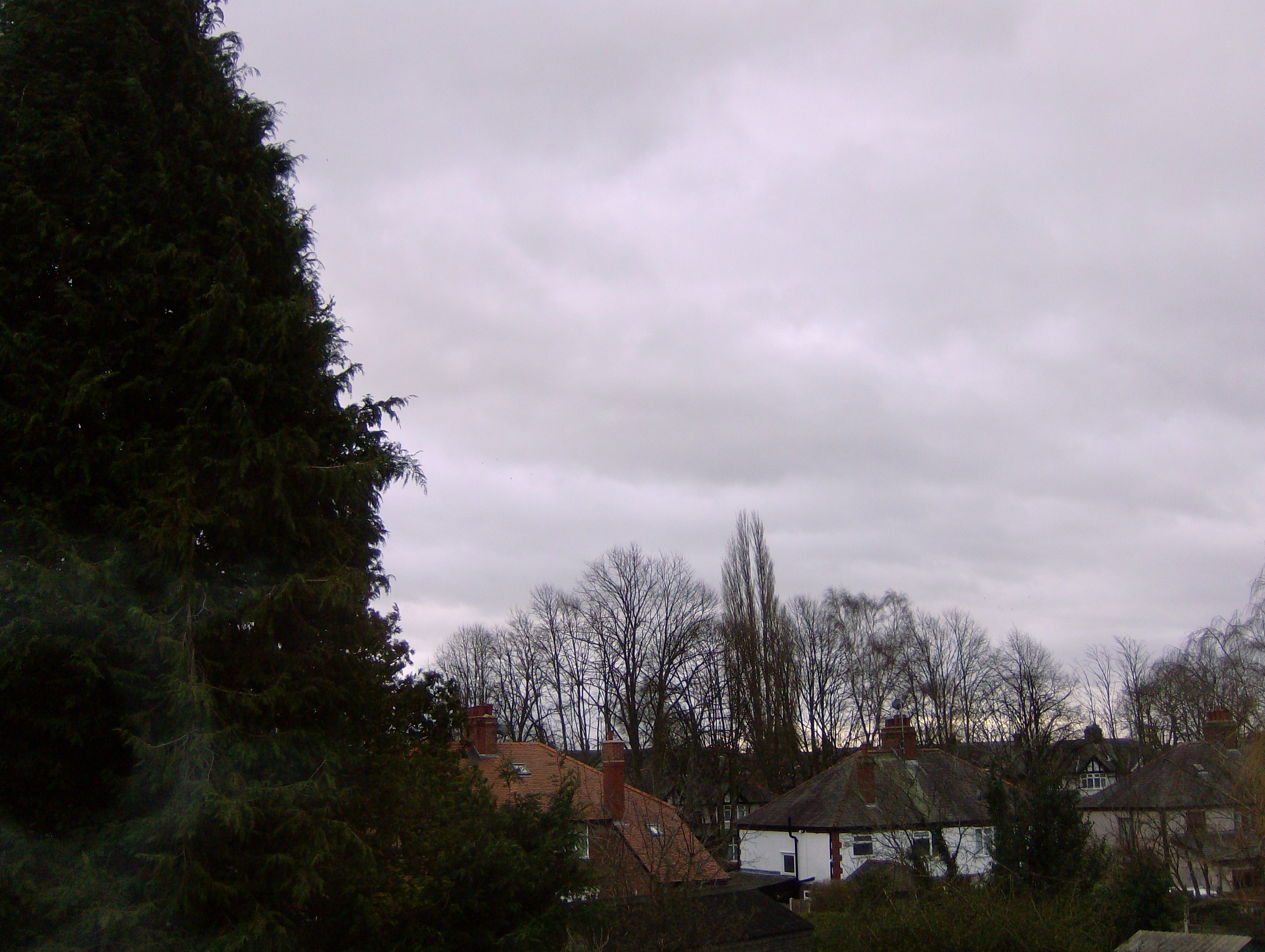
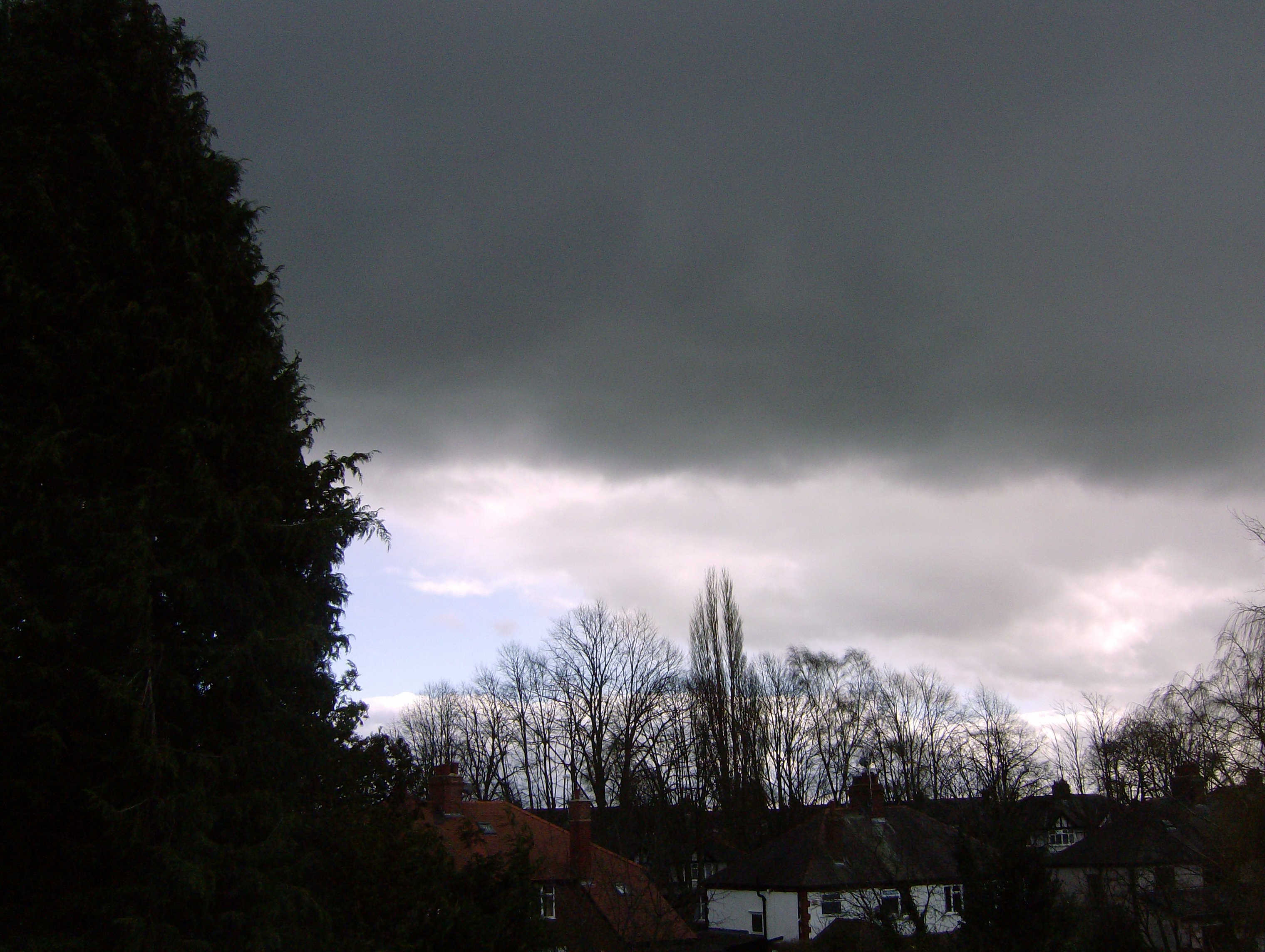
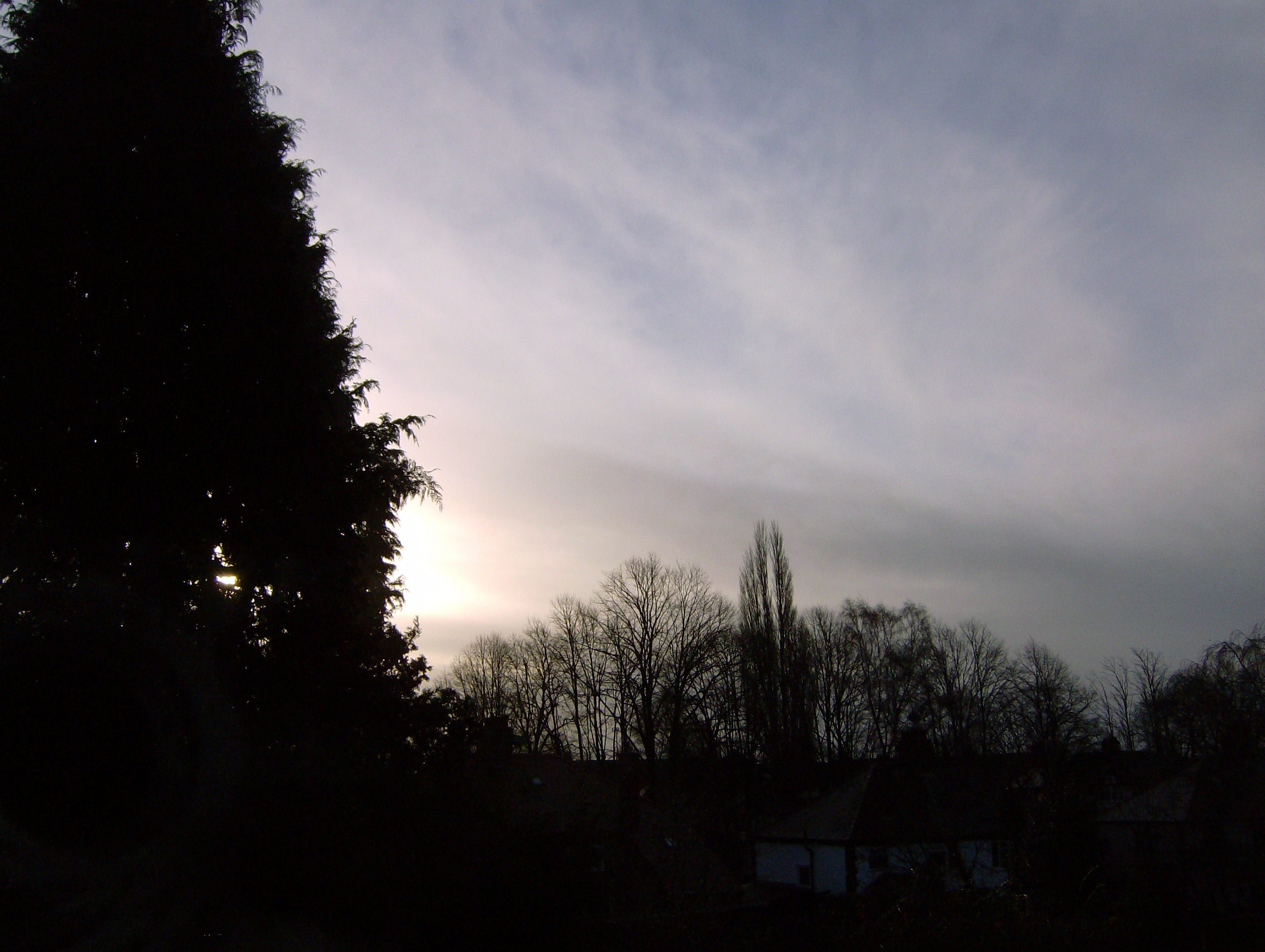
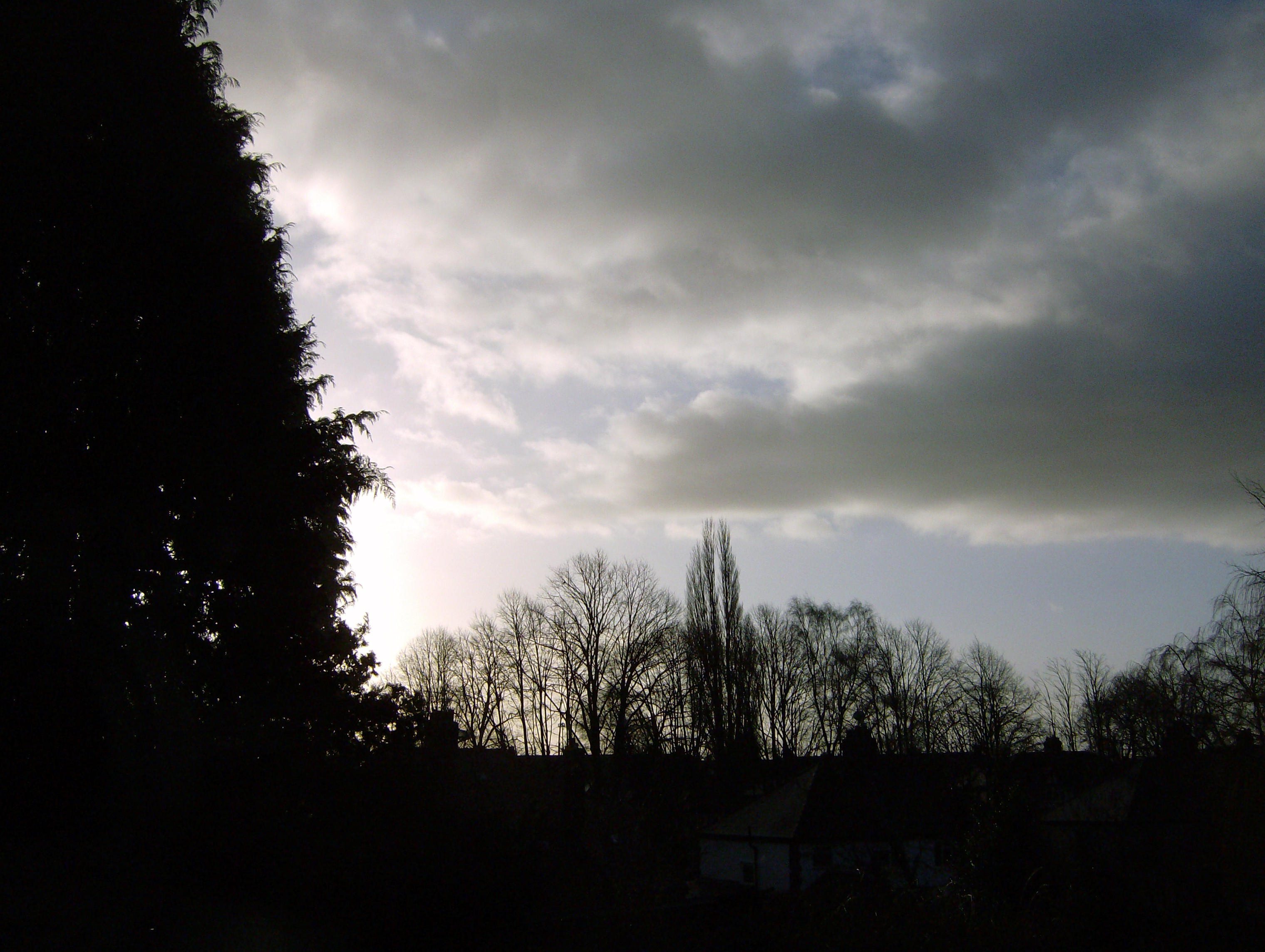
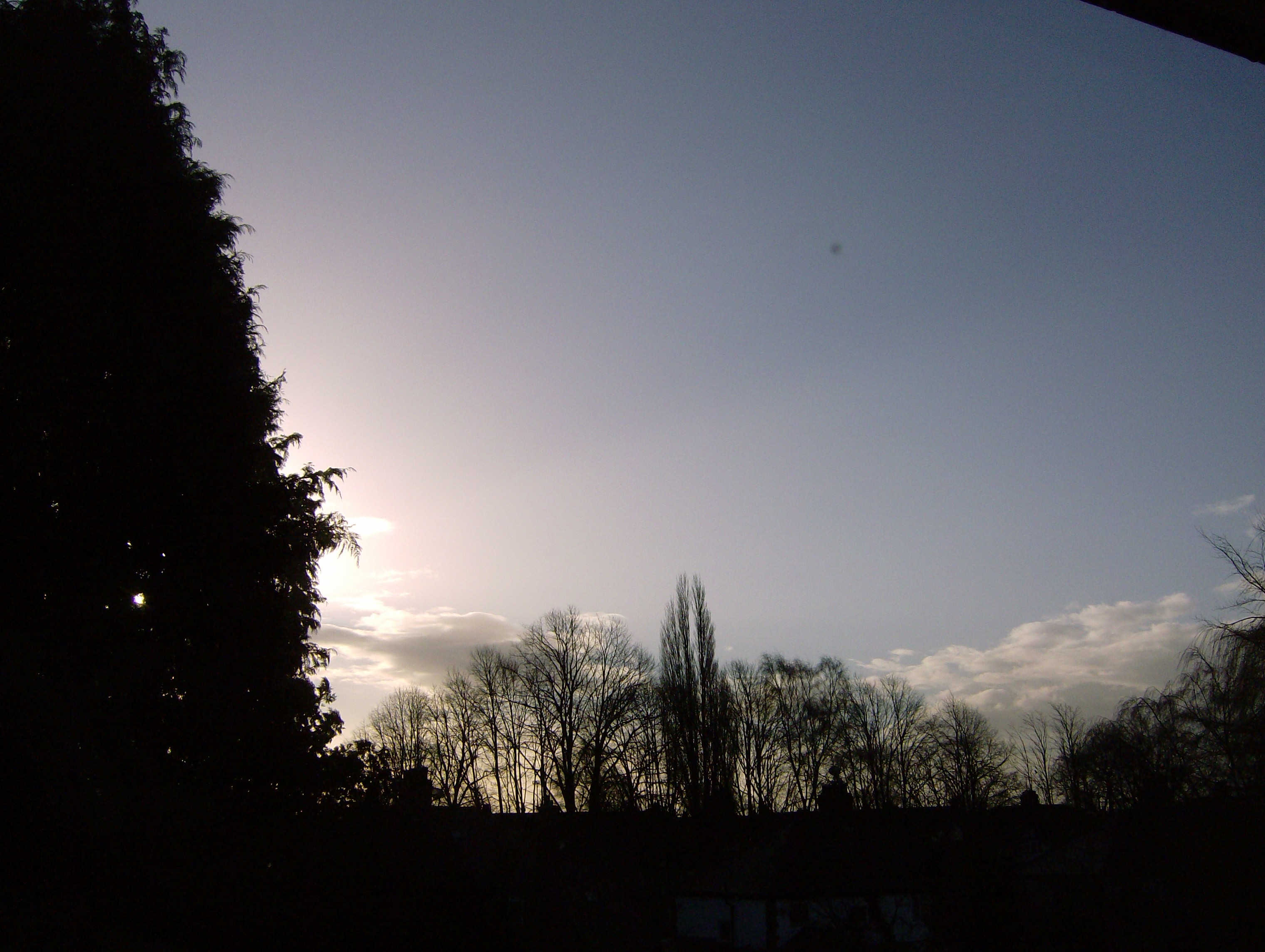
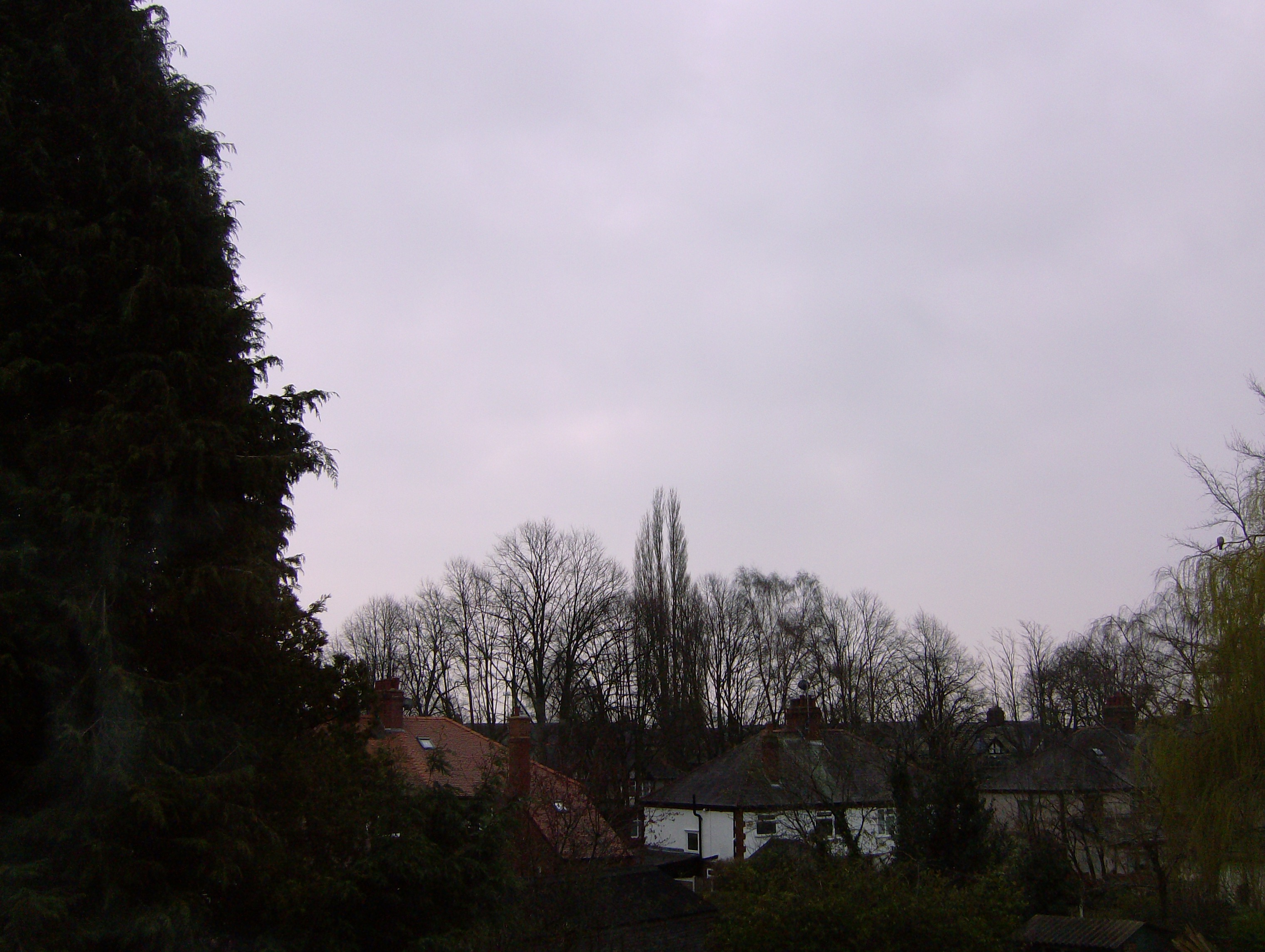
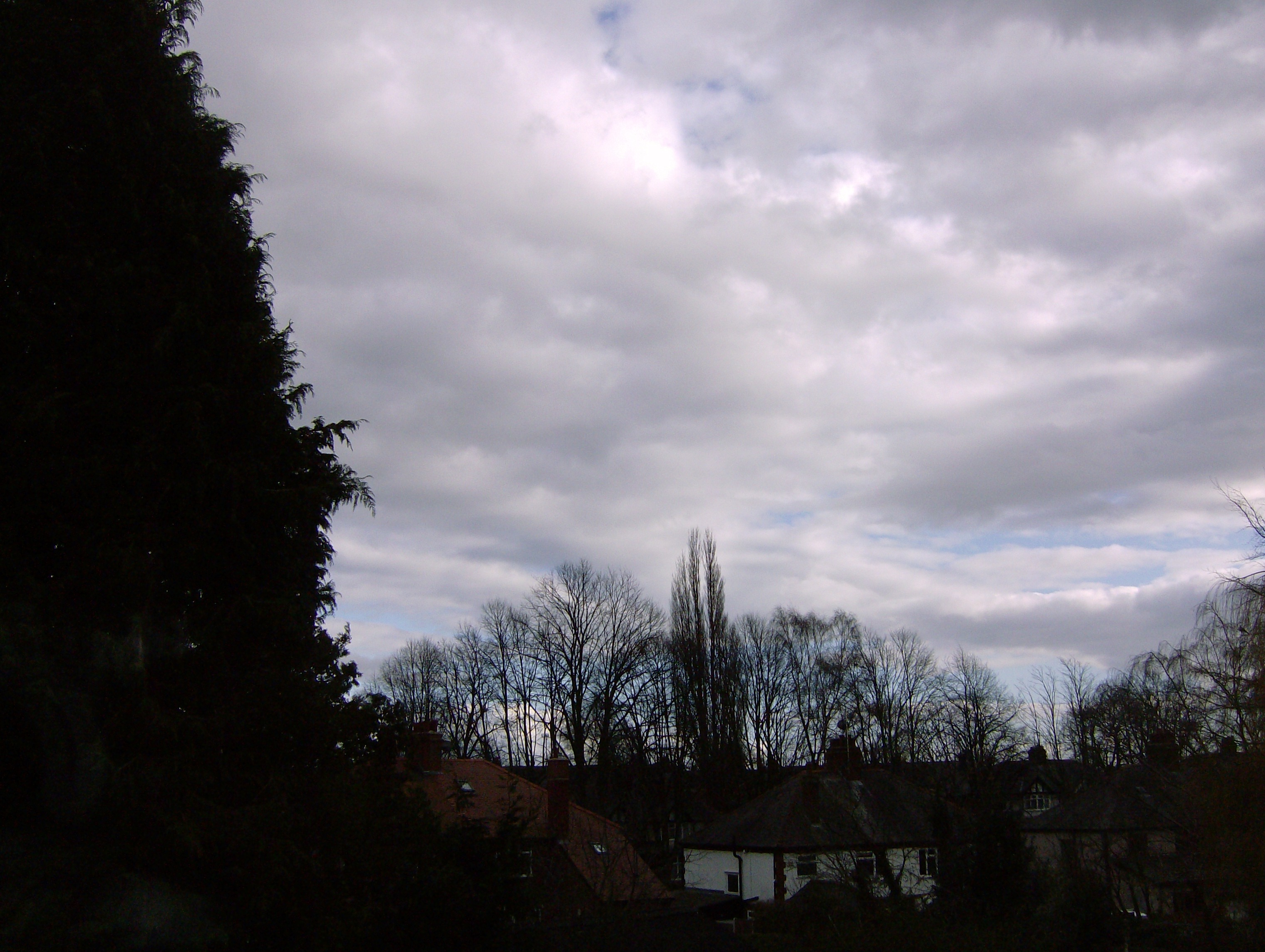
One Year is a project through which I intend to construct a daily photographic record of a single view: the view from my study window at around 8.00a.m. each day when I sit down to work.  One Year will annotate each picture with a note of the weather for that morning and the morning’s main news headline from the BBC News site.  In addition, there will be a note taking a key sentence or two from my daily journal.
21 March 2014March 21st 2014

Sunny

Teams scour ocean for missing plane

Can I be the only person in the world who finds Tom Hooper’s Les Misérables the most tedious film ever?


22 March 2014March 22nd 2014

Light rain shower

Australia vows indefinite jet search

He sits on a bench so well-polished that his rump constantly slips and slumps


23 March 2014March 23rd 2014

Light rain shower

Hunt widens after jet ‘debris’ clues

November 1840: the birth of time


24 March 2014March 24th 2014

Sunny

Russian troops ‘overrun Crimea base’

A station hall and the smell of smoke; engine steam that billows and clings


25 March 2014March 25th 2014

Light cloud

Bad weather halts missing jet search

Off the bus and straight into the George Robey


26 March 2014March 26th 2014

Sunny

Abbott vows to solve plane ‘riddle’

A grand tour, edging through tribal territories


27 March 2014March 27th 2014

Light cloud

‘Big Six’ face competition inquiry

Shop front names stake territorial claims


Artist Statement

… “natural history” has no actual existence other than through the process of human history, the only part which recaptures this historical totality, like the modern telescope whose sight captures, in time, the retreat of nebulae at the periphery of the universe.

Guy Debord – Society of the Spectacle

The purpose of this project is to explore continuity and change.  Over the course of a year, I will build up a daily visual record of the same view.  Despite my best efforts, though, I will not be able to replicate the ‘same’ view each day: it is subject to changes in the environment, such as the weather or the time the sun rises.  But it is also affected by changes caused by me, the observer.  For instance, my feelings that morning may change the way I hold the camera or, inadvertently, the image may show my breath on the glass from getting too close to the window.

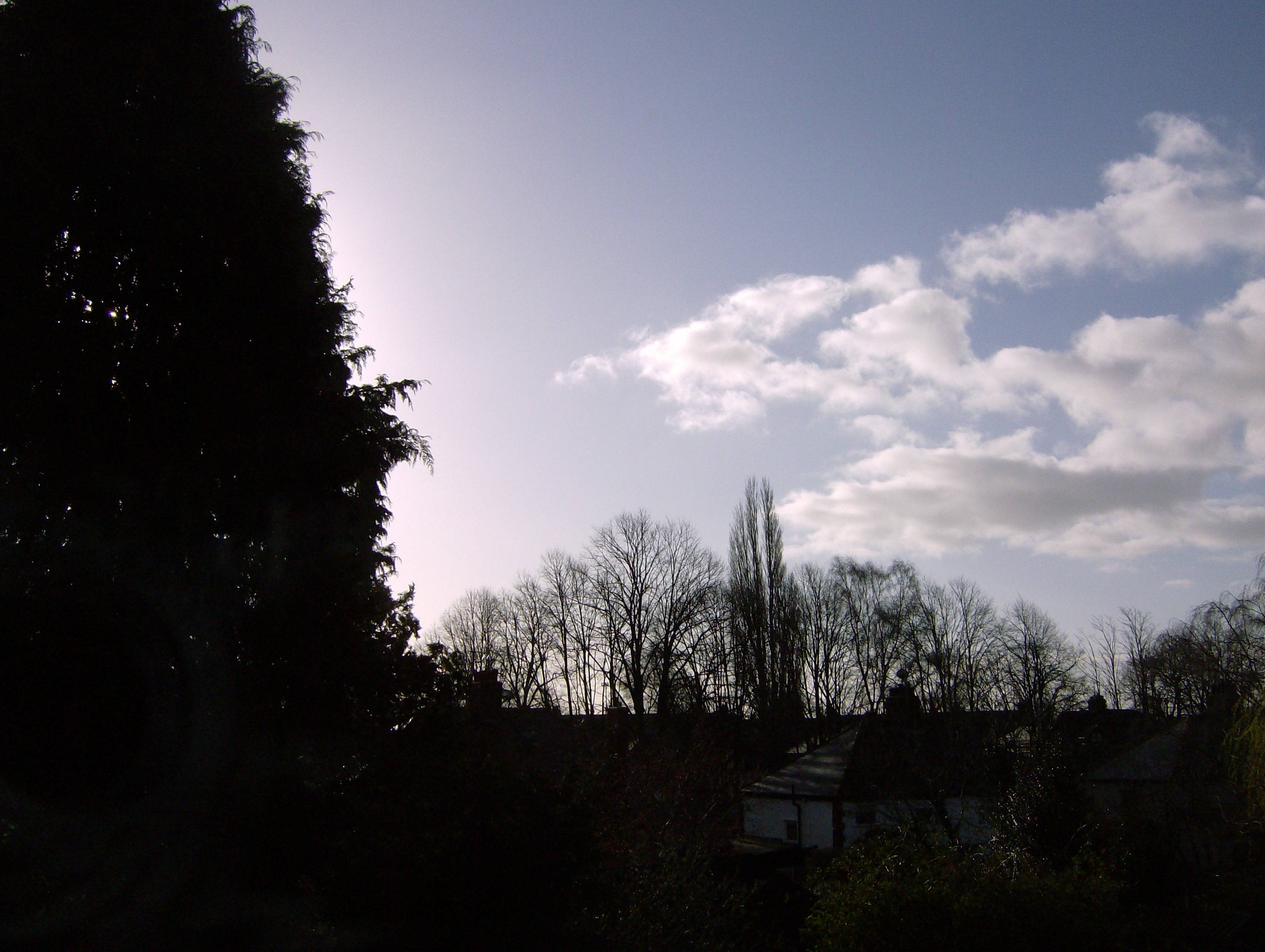
Looking out at the view on this, the first morning of One Year, I see a scene comprising sky, trees and rooftops.  I don’t see much evidence of human activity just yet, but that may come later in the year when the leaf cover begins to thin out.  Being on a flight path, we also see the odd vapour trail or aeroplane light in the sky too.

Some of the changes that will become evident will be pretty obvious, such as the seasons.  Other changes will be more subtle.  My daily notes will give some insight into what is going on inside my head that morning, from my journal entry, and there will also be a record of what is happening in the world in general, from the news headline.

But the ‘view’ I am recording in One Year is not neutral, it is selected and framed by me.  Similarly, my journal extracts are selected from a much larger body of work; it is the ‘insight’ into my thinking that I choose to present.  Even the ‘news headline’ cannot be regarded as neutral, for it is subject to BBC editorial bias.

But there is a third party in the One Year process, one that is outside of my control. That person is you, the reader of this blog, the interested observer of the project.  I want people to bring their own interpretations, views and insights to this project.  All comments received will be reproduced in my weekly project reports.
Posted in Home | Tagged , , | Leave a comment

One Year – Week 26

Project Description

One Year is a project through which I intend to construct a daily photographic record of a single view: the view from my study window at around 8.00a.m. each day when I sit down to work.  One Year will annotate each picture with a note of the weather for that morning and the morning’s main news headline from the BBC News site.  In addition, there will be a note taking a key sentence or two from my daily journal.

14 March 2014March 14th 2014

Light cloud

Labour stalwart Tony Benn dies at 88

Embracing Revelation’s two thousand years of holiness, Dewdrop leaves by night without saying goodbye, and his wife and children remind themselves to forget

15 March 2014March 15th 2014

Sunny intervals

Missing jet ‘deliberately diverted’

But then, Agamemnon in New York has a certain ring to it


16 March 2014March 16th 2014

Sunny

Crimea holds secession referendum

Old men linger, the caretaker generation


17 March 2014March 17th 2014

Sunny intervals

EU mulls Russia sanction over Crimea

Guarding buildings and books.  Remembering.


18 March 2014March 18th 2014

Light rain shower

China begins land search for plane

We walk up Cambridge Heath Road, past Bethnal Green tube, and on to Hackney.  Victoria Park Road is on our right


19 March 2014March 19th 2014

Light cloud

Osborne to deliver ‘Budget for resilient UK’

I stand before the green front door and ring the bell. I’ve never got round to asking Ramona why she hasn’t painted it yellow.


20 March 2014March 20th 2014

Light cloud

Australia sees possible plane debris

A Julian calendar is pinned to the wall and looks down as she screams and flounders in bathwater turned chill.


Artist Statement

… “natural history” has no actual existence other than through the process of human history, the only part which recaptures this historical totality, like the modern telescope whose sight captures, in time, the retreat of nebulae at the periphery of the universe.

Guy Debord – Society of the Spectacle

The purpose of this project is to explore continuity and change.  Over the course of a year, I will build up a daily visual record of the same view.  Despite my best efforts, though, I will not be able to replicate the ‘same’ view each day: it is subject to changes in the environment, such as the weather or the time the sun rises.  But it is also affected by changes caused by me, the observer.  For instance, my feelings that morning may change the way I hold the camera or, inadvertently, the image may show my breath on the glass from getting too close to the window.

Looking out at the view on this, the first morning of One Year, I see a scene comprising sky, trees and rooftops.  I don’t see much evidence of human activity just yet, but that may come later in the year when the leaf cover begins to thin out.  Being on a flight path, we also see the odd vapour trail or aeroplane light in the sky too.

Some of the changes that will become evident will be pretty obvious, such as the seasons.  Other changes will be more subtle.  My daily notes will give some insight into what is going on inside my head that morning, from my journal entry, and there will also be a record of what is happening in the world in general, from the news headline.

But the ‘view’ I am recording in One Year is not neutral, it is selected and framed by me.  Similarly, my journal extracts are selected from a much larger body of work; it is the ‘insight’ into my thinking that I choose to present.  Even the ‘news headline’ cannot be regarded as neutral, for it is subject to BBC editorial bias.

But there is a third party in the One Year process, one that is outside of my control. That person is you, the reader of this blog, the interested observer of the project.  I want people to bring their own interpretations, views and insights to this project.  All comments received will be reproduced in my weekly project reports.
Posted in Home | Tagged , , | Leave a comment

The Sands of Dee

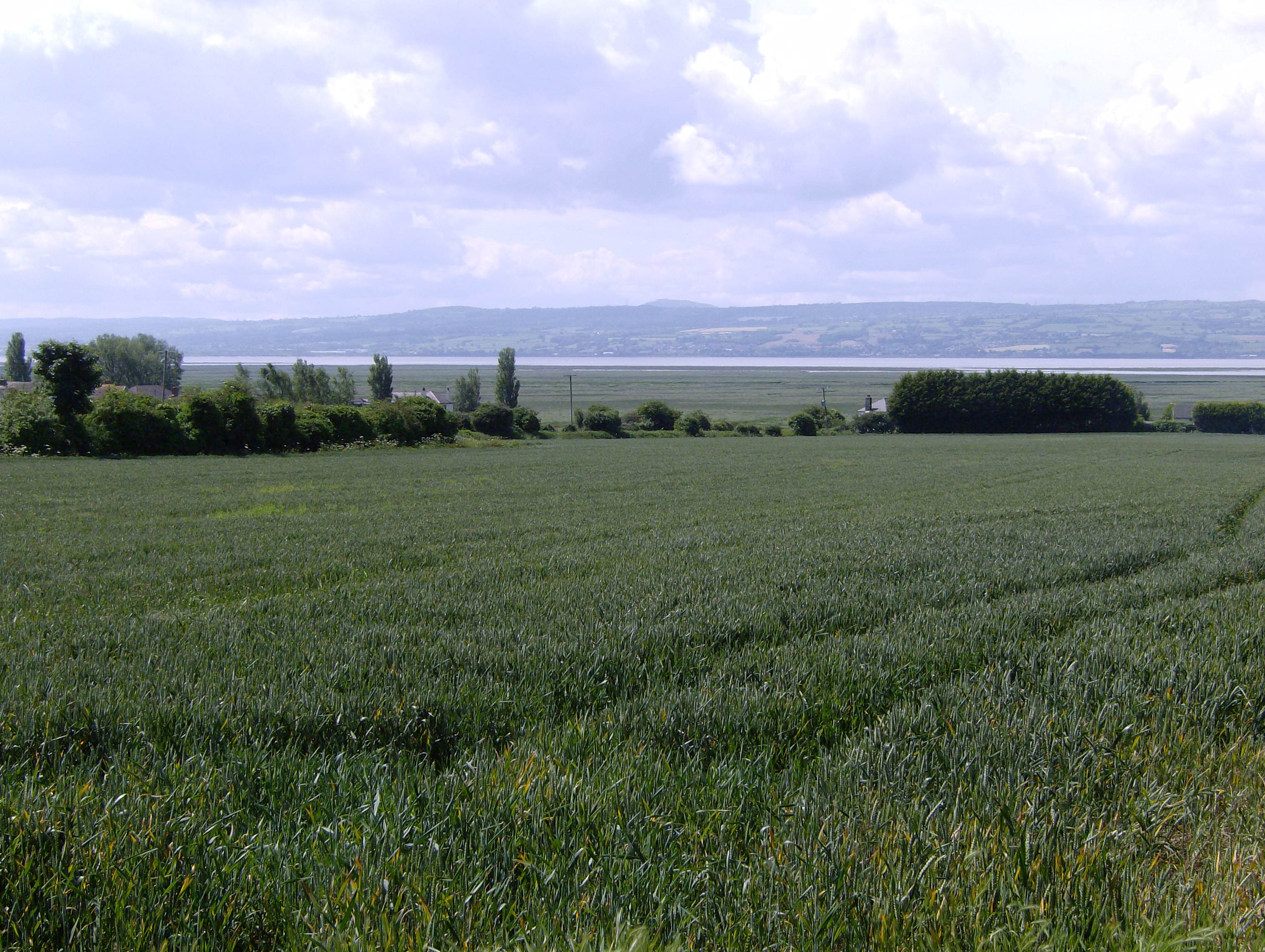
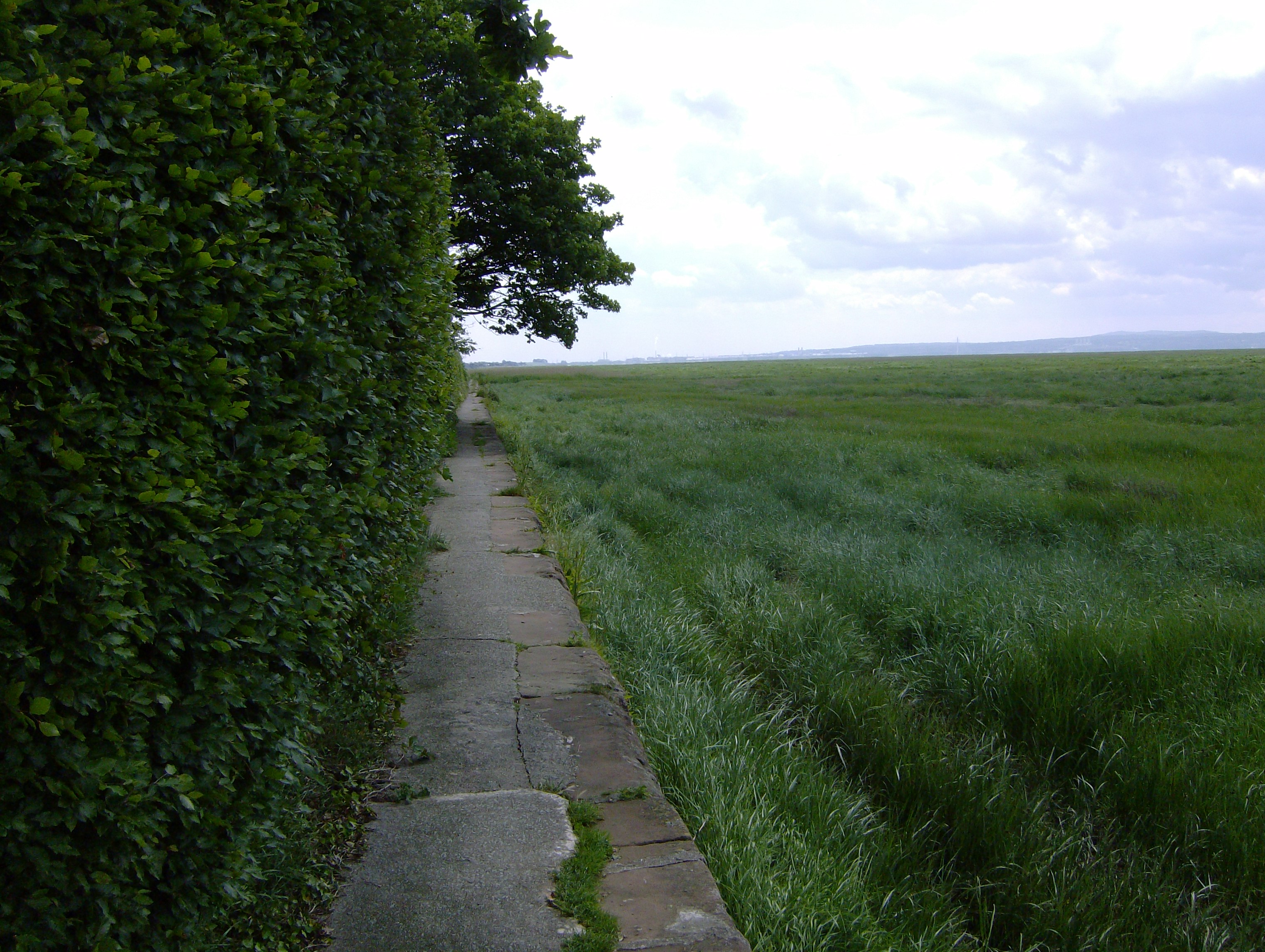
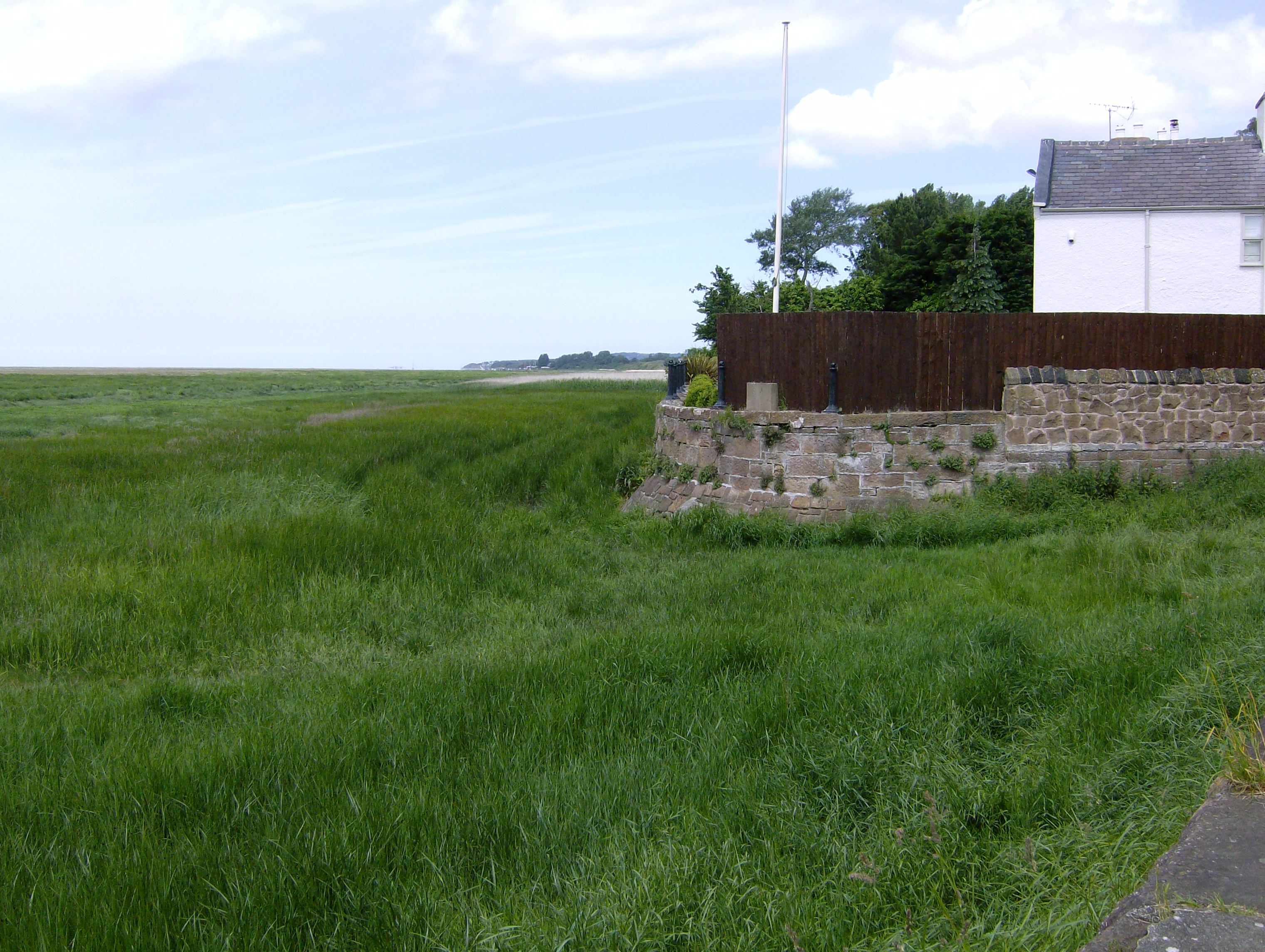
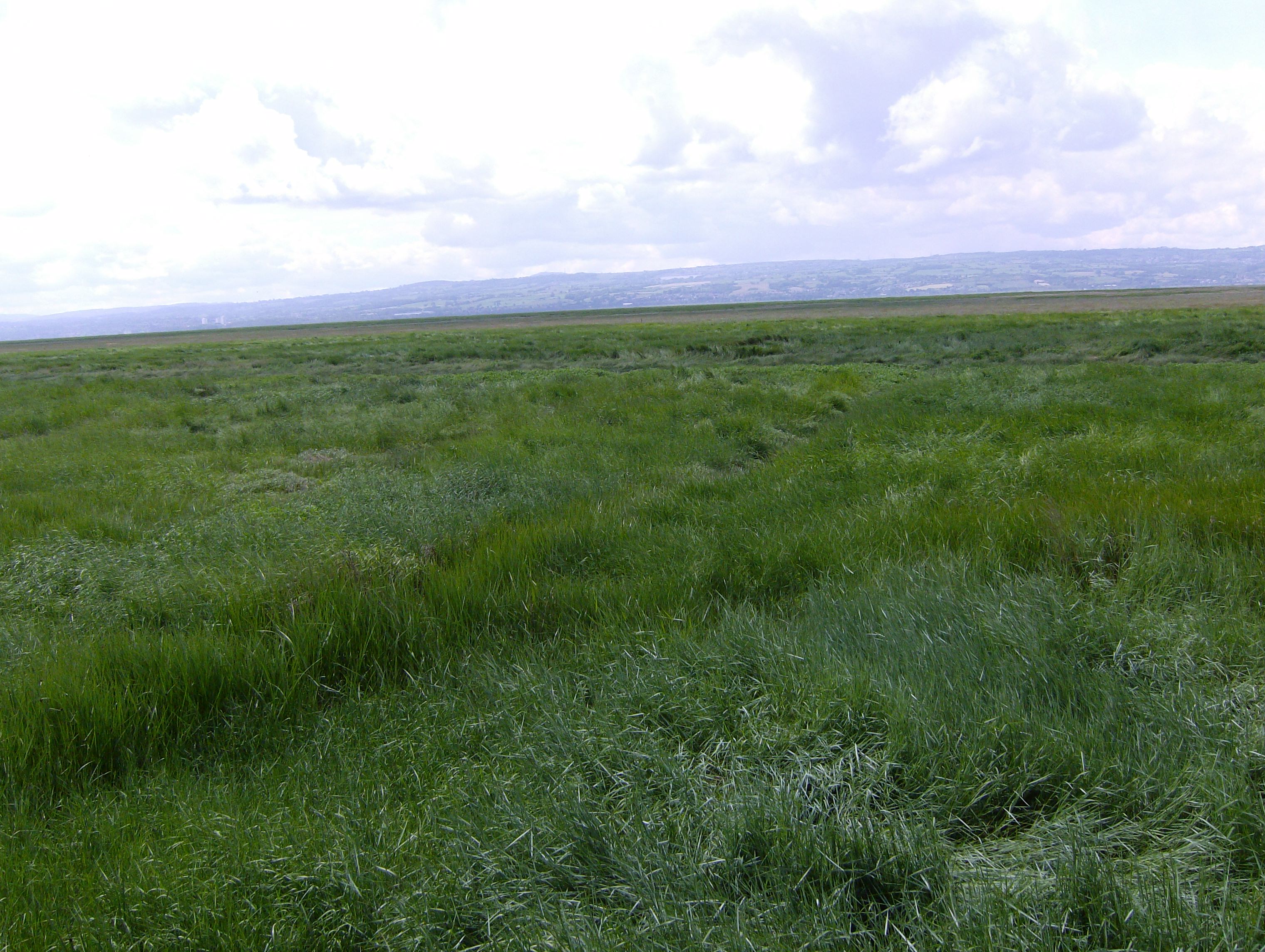
Walking along the foreshore of the Dee estuary near Parkgate, enjoying the silence and the wide vista of land and sky, I was put in mind of the old poem by Charles Kingsley, The Sands of Dee.  Kingsley was Canon of Chester Cathedral at the time and, wandering through the area in his spare time and talking to locals, he had heard tales of a young woman called Mary who had been lost on the Dee marshes some time before.

At the time the local farmers grazed their cattle along the marshland edges of the estuary.  Mary was sent out to bring her father’s cattle home.  She didn’t go straight away, which caused her father to become angry and he sent her on her way with shouts and curses.

But the afternoon was sunny and Mary quickly forgot her father’s harsh words and took a meandering path across the meadow and along the edge of the marsh enjoying the day.  A mist crept across the marshes at dusk and she became disorientated.  Mary followed the sound of the cattle further and further out onto the marsh, not wanting to abandon the creatures to the rising water of the incoming tide.  Still trying to find the cattle, Mary eventually stumbled into the swollen channel of the river and was drowned.

Her body was recovered the next day by fishermen who at first mistook her halo of long hair for floating river weed.   Legend has it that, on misty evenings, one can still hear Mary’s voice out on the marshes calling to her father’s cattle, and the cattle lowing despondently in response.  The tale haunted Kingsley’s dreams and, in an attempt at catharsis, he penned his poem about her.

Sands of Dee 1

The sands of the Dee, the treacherous sands of the Dee, they haunt my dreams and cause me not to sleep.  Mary, poor child, all alone with a westerly wind blowing and the tide rising relentlessly.  Steadily it flows inwards, filling channels and flooding the lower banks.  But still she strides on, clogs in one hand and skirts hitched up to her hips and held by the other.  She calls to the cattle, stops and scans the marshes to the west with screwed up eyes, and then calls again.

She had tarried too long before setting out, immersed herself too deeply in her daydreams.  Father found her and was angry.  And now she plunges on frantically, seeking the cattle to bring them ashore before the rising tide can do its worst.  In the farm yard he swings his axe furiously, slicing and splitting each proffered log whilst, in his heart, he silently regrets his harsh words.

Warm and safe in the cathedral cloisters, Kingsley sits on a bench and enjoys the Sun’s radiant blessing.  He closes his eyes to struggle once more with the words of his composition.  Immediately he feels again the biting wind at his face and the cold water lapping at his knees.

“O Mary, go and call the cattle home,

And call the cattle home,

And call the cattle home

Across the sands of Dee”;

The western wind was wild and dank with foam,

And all alone went she.

Wisps of sea mist begin to flicker across the water, gathering and thickening even as she watches them, struggling to see beyond their haze.  She is cold; her legs are numb and her body is shivering uncontrollably.  It occurs to her she can feel a spreading warmth then realises that she is peeing herself, but cannot stop.

The western tide crept up along the sand,

And o’er and o’er the sand,

And round and round the sand,

As far as eye could see.

The rolling mist came down and hid the land:

And never home came she.

Sands of Dee 3

Sands of Dee 4


The cattle are so close, she hears them lowing mournfully; can almost hear their snuffling breath.  But where?  In which direction?  She can see neither cattle nor land now.  She calls out to the creatures, but the only word that comes out of her mouth, again and again, is: ‘Daddy!’

Kingsley opens his eyes and sighs deeply, staring at his shoes as he composes himself.  The fishermen he spoke to were adamant in their telling of the tale, even before he had bought them their fill of ale.

“Oh! is it weed, or fish, or floating hair–
A tress of golden hair,
A drownèd maiden’s hair
Above the nets at sea?
Was never salmon yet that shone so fair
Among the stakes on Dee.”

They rowed her in across the rolling foam,
The cruel crawling foam,
The cruel hungry foam,
To her grave beside the sea:
But still the boatmen hear her call the cattle home
Across the sands of Dee.

Sands of Dee 2

He drew on his pipe and nodded as he listened:

‘We swear, Canon, we swear it’s true.  We’ve all heard her.  Her restless soul was out there that night and, God bless her, she’s out there still.’


Posted in Home | Tagged , , | 26 Comments

One Year – Week 25

Project Description

One Year is a project through which I intend to construct a daily photographic record of a single view: the view from my study window at around 8.00a.m. each day when I sit down to work.  One Year will annotate each picture with a note of the weather for that morning and the morning’s main news headline from the BBC News site.  In addition, there will be a note taking a key sentence or two from my daily journal.


7 March 2014March 7th 2014

Light rain

Obama pushes Putin on Crimea talks

She follows the thought, pulling it up by its roots


8 March 2014March 8th 2014

Thick cloud

Malaysia Airlines plane vanishes

Meths drinkers, feral kids, street performers, pie and mash shops


9 March 2014March 9th 2014

Sunny

Missing plane ‘may have turned back’

Cohen took his camera out into the streets to record a way of life that was rapidly disappearing


10 March 2014March 10th 2014

Sunny

Missing Malaysia jet ‘a mystery’

Those physiotherapists of bricks and mortar, striving to heal old wounds


11 March 2014March 11th 2014

Sunny intervals

Malaysia missing plane search widens

Slights upon the character of the landscape


12 March 2014March 12th 2014

Thick cloud

Labour ‘won’t guarantee EU poll’

She took it all in; the sun and rain belonged to her, her alone


13 March 2014March 13th 2014

Thick cloud

Children’s heart surgery unit ‘safe’

Nurturing with murderous love


Artist Statement

… “natural history” has no actual existence other than through the process of human history, the only part which recaptures this historical totality, like the modern telescope whose sight captures, in time, the retreat of nebulae at the periphery of the universe.

Guy Debord – Society of the Spectacle

The purpose of this project is to explore continuity and change.  Over the course of a year, I will build up a daily visual record of the same view.  Despite my best efforts, though, I will not be able to replicate the ‘same’ view each day: it is subject to changes in the environment, such as the weather or the time the sun rises.  But it is also affected by changes caused by me, the observer.  For instance, my feelings that morning may change the way I hold the camera or, inadvertently, the image may show my breath on the glass from getting too close to the window.

Looking out at the view on this, the first morning of One Year, I see a scene comprising sky, trees and rooftops.  I don’t see much evidence of human activity just yet, but that may come later in the year when the leaf cover begins to thin out.  Being on a flight path, we also see the odd vapour trail or aeroplane light in the sky too.

Some of the changes that will become evident will be pretty obvious, such as the seasons.  Other changes will be more subtle.  My daily notes will give some insight into what is going on inside my head that morning, from my journal entry, and there will also be a record of what is happening in the world in general, from the news headline.

But the ‘view’ I am recording in One Year is not neutral, it is selected and framed by me.  Similarly, my journal extracts are selected from a much larger body of work; it is the ‘insight’ into my thinking that I choose to present.  Even the ‘news headline’ cannot be regarded as neutral, for it is subject to BBC editorial bias.

But there is a third party in the One Year process, one that is outside of my control. That person is you, the reader of this blog, the interested observer of the project.  I want people to bring their own interpretations, views and insights to this project.  All comments received will be reproduced in my weekly project reports.
Posted in Home | Tagged , , | 2 Comments

One Year – Week 24

Project Description

One Year is a project through which I intend to construct a daily photographic record of a single view: the view from my study window at around 8.00a.m. each day when I sit down to work.  One Year will annotate each picture with a note of the weather for that morning and the morning’s main news headline from the BBC News site.  In addition, there will be a note taking a key sentence or two from my daily journal.

28 February 2014February 28th 2014

Light rain

Crackdown on fake shares fraudsters

She plays a Freudian game with the readers


1 March 2014March 1st 2014

Sunny intervals

Crimean leader appeals to Putin

He walked, absently gathering up sensual impressions, more from habit than strategy


2 March 2014March 2nd 2014

Light cloud

Obama urges Putin to recall troops

A rag-picking somnambulist


3 March 2014March 3rd 2014

Sunny

G7 condemns Russia over Ukraine

It’s a place I’ve passed through many times, but I’ve yet to stop, to walk, to look


4 March 2014March 4th 2014

Sunny intervals

Yanukovytch ‘asked Russia for troops’

They quote his every word, declare even his shopping lists the most sublime of poetry


5 March 2014March 5th 2014

Sunny intervals

US-Russia talks over Ukraine crisis

He prided himself on the acuity of his self-awareness, yet only became aware of the façade of his life when it began to fall away


6 March 2014March 6th 2014

Light cloud

EU summit to tackle Ukraine crisis

A life lived with no stain, no memory, no echoes


Artist Statement

… “natural history” has no actual existence other than through the process of human history, the only part which recaptures this historical totality, like the modern telescope whose sight captures, in time, the retreat of nebulae at the periphery of the universe.

Guy Debord – Society of the Spectacle

The purpose of this project is to explore continuity and change.  Over the course of a year, I will build up a daily visual record of the same view.  Despite my best efforts, though, I will not be able to replicate the ‘same’ view each day: it is subject to changes in the environment, such as the weather or the time the sun rises.  But it is also affected by changes caused by me, the observer.  For instance, my feelings that morning may change the way I hold the camera or, inadvertently, the image may show my breath on the glass from getting too close to the window.

Looking out at the view on this, the first morning of One Year, I see a scene comprising sky, trees and rooftops.  I don’t see much evidence of human activity just yet, but that may come later in the year when the leaf cover begins to thin out.  Being on a flight path, we also see the odd vapour trail or aeroplane light in the sky too.

Some of the changes that will become evident will be pretty obvious, such as the seasons.  Other changes will be more subtle.  My daily notes will give some insight into what is going on inside my head that morning, from my journal entry, and there will also be a record of what is happening in the world in general, from the news headline.

But the ‘view’ I am recording in One Year is not neutral, it is selected and framed by me.  Similarly, my journal extracts are selected from a much larger body of work; it is the ‘insight’ into my thinking that I choose to present.  Even the ‘news headline’ cannot be regarded as neutral, for it is subject to BBC editorial bias.

But there is a third party in the One Year process, one that is outside of my control. That person is you, the reader of this blog, the interested observer of the project.  I want people to bring their own interpretations, views and insights to this project.  All comments received will be reproduced in my weekly project reports.

Posted in Home | Tagged , , | Leave a comment

Psychogeographic Review’s Recommendations – March 2014


This past month Psychogeographic Review has been reading:

Iain SinclairIain Sinclair – ‘American Smoke: Journeys to the End of the Light’ (2013)

Just because Iain Sinclair is always thought of as a London writer, and admittedly a lot of his works have been about places he can reach on foot from his front door in Hackney, it would be a mistake to regard him as in any way parochial.  Indeed, I see a verve and muscularity in Sinclair’s writing that has more in common with the best American writers than it does with any of his compatriots.  In this very satisfying volume, Iain Sinclair visits the United States and explores the work of the writers who inspired him in the 1960s, in particular the Beats.

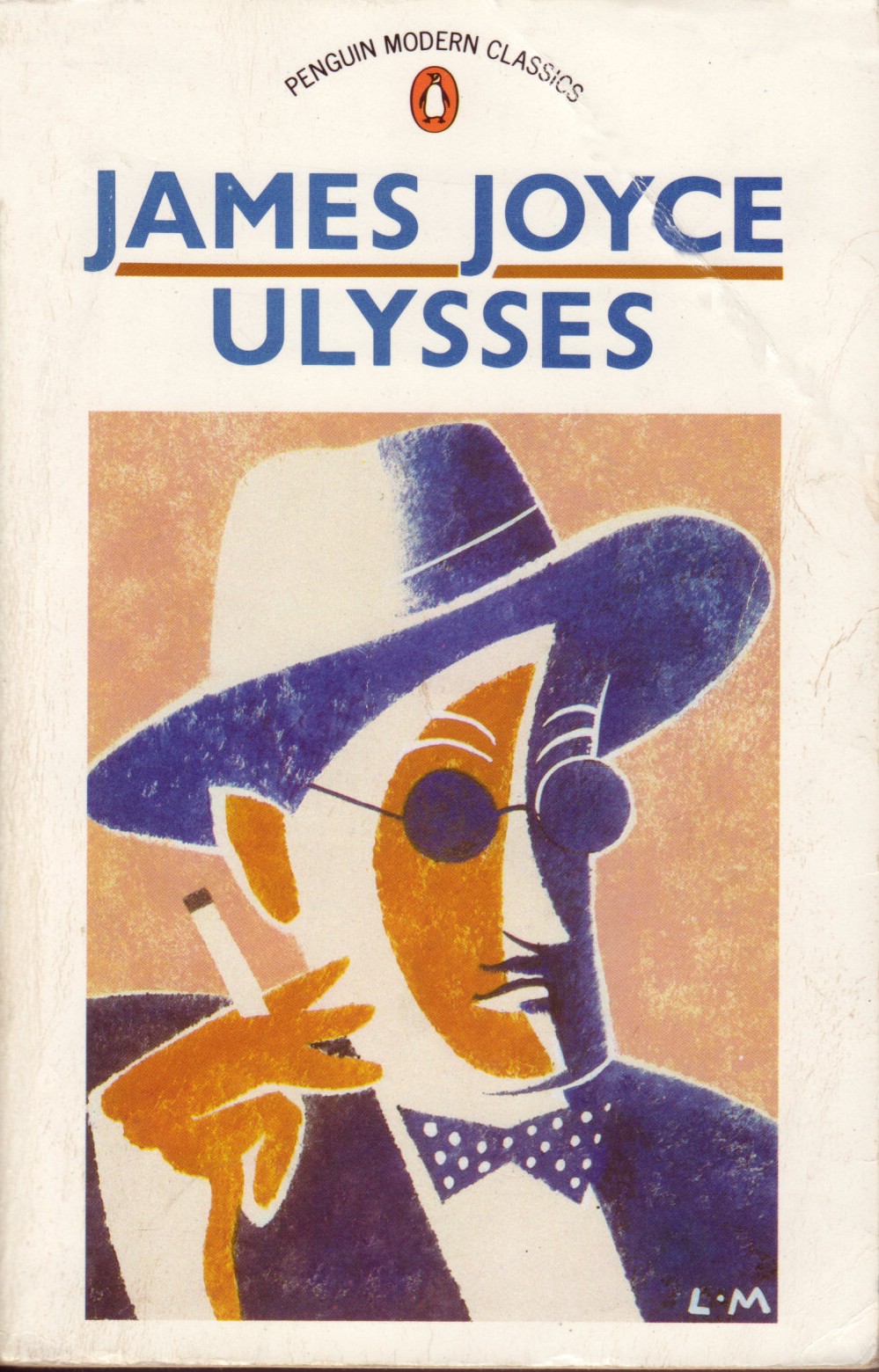
James JoyceJames Joyce – ‘Ulysses’ (1922)

Dublin, June 16th 1904.  An extraordinary day; a day immortalised the 265,000 words of Ulysses.   But this is not just a long book, it is many books.  Within its pages Joyce adopts many different voices and styles, creating a veritable history of English (and Irish) literature in one volume.  After Ulysses, nothing was ever the same again.


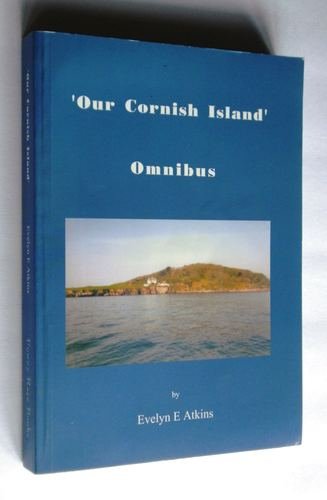
Evelyn E AtkinsEvelyn E Atkins – ‘Our Cornish Island’ (1995)

I remember visiting St George’s Island, off Looe in Cornwall, in the 1990s and meeting Evelyn Atkins; she made a point of greeting everyone who visited her island.   Evelyn and her sister, Babs, had bought the island in 1965 and lived there for the rest of their lives.  In this omnibus edition Evelyn tells the story of the island, its history and its wildlife.  But more than anything else it is the story of two sisters, charting their relationship and their shared determination to step outside the conventional expectations of the type of life they should lead.


Meanwhile, we were listening to:


St VincentSt. Vincent – ‘St. Vincent’ (2014)

St.Vincent is Annie Clark’s fourth studio album and is a welcome return to form.  Is it just me, or was her 2012 collaboration with David Byrne something of a diversion for them both?  Annie Clark’s songs on this album are very personal but, equally, the themes she explores are universal – love, loss, hope, the environment – and her skills as a multi-instrumentalist are impressively evident.


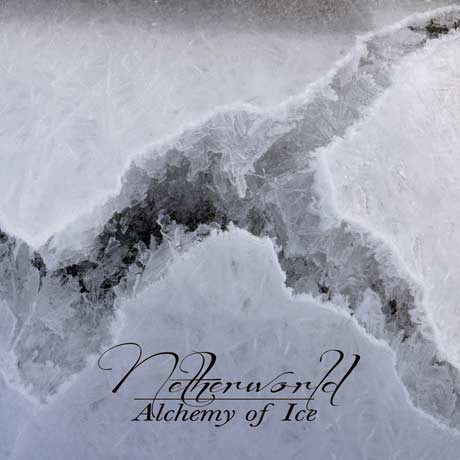
NetherworldNetherworld – ‘Alchemy of Ice’ (2013)

Ice is not inert: it moves and it speaks.  And beneath the glacial ice the landscape lives on.  Italian electronic musician Alessandro Tedeschi takes as his starting point a series of field recordings, many of them made deep underground, and weaves them into mesmerising soundscapes using analogue synth technology


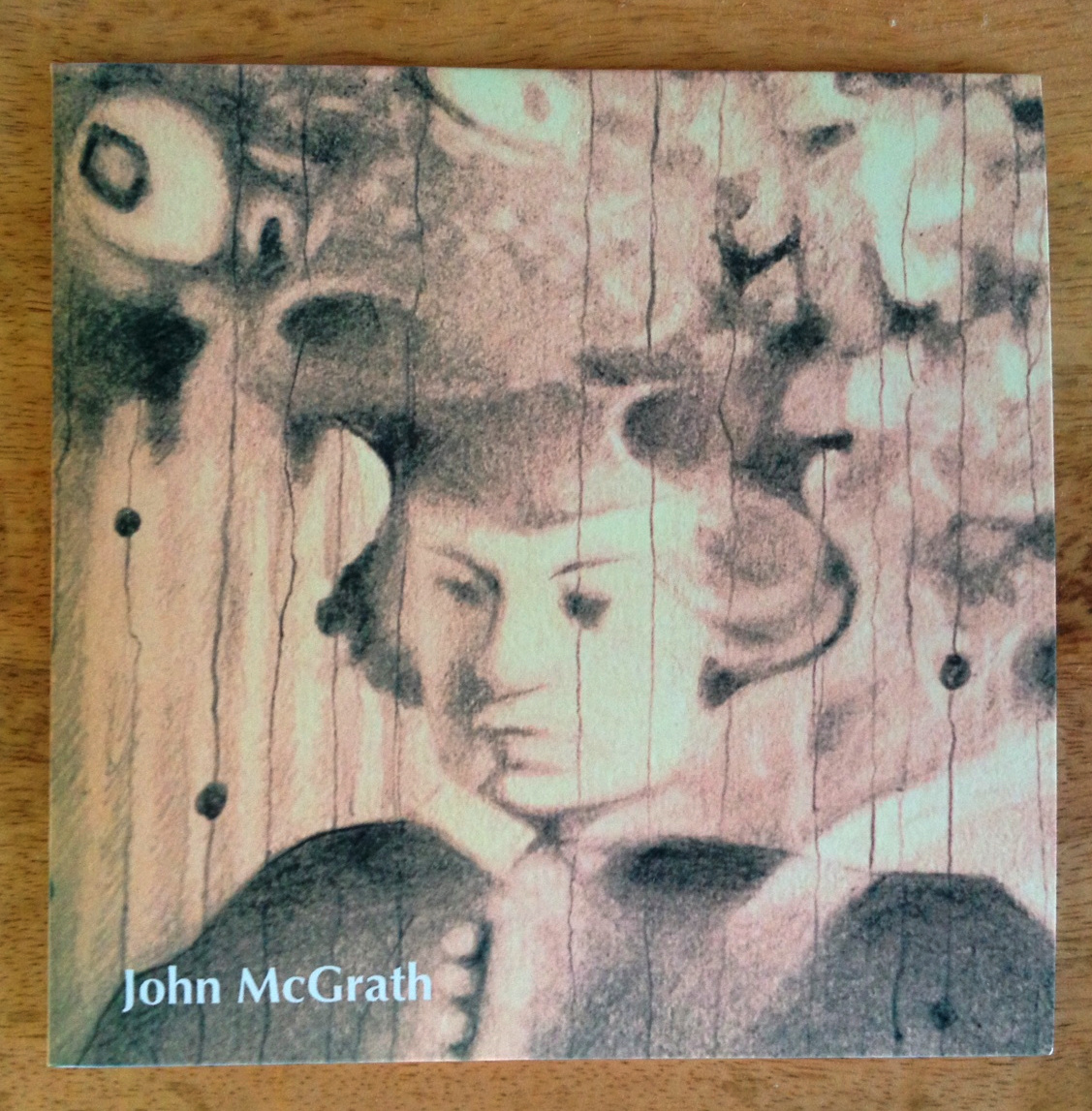
John McGrathJohn McGrath – ‘Lanterns’ (EP, self-released 2013)

John McGrath was born in Dublin and is a college lecturer based in Liverpool.  This four track EP is a good introduction to his work as a solo acoustic guitarist.  With elements of folk, blues and psychedelia, his music provides an engaging sonic ride.


And watching:

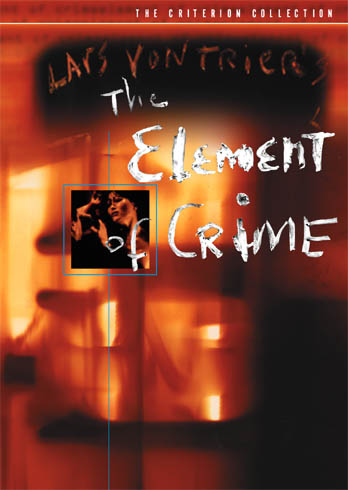
ElementLars von Trier – ‘The Element of Crime’ (1984)

This is the first film in von Trier’s Europa trilogy, and its haunting, dream-like quality remains with one for a long time afterwards.  The three films are not linked by any narrative theme but share a common subject matter and a universally bleak feel.  Ostensibly a detective story, The Element of Crime picks up the theme of the social malaise of postwar Europe that continues in the other two films.


EpidemicLars von Trier – ‘Epidemic’(1987)

Epidemic blends fact and fiction, or one version of the two.  Lars von Trier and his collaborator, Niels Vørsel, play themselves in a film about trying to get a film made.  The film is about a mysterious doctor trying to find a cure for an epidemic.  Is the film ever shot?  We are never sure, but we see scenes from it intercut with scenes of von Trier and Vørsel travelling around Europe struggling to write and pitch their script.


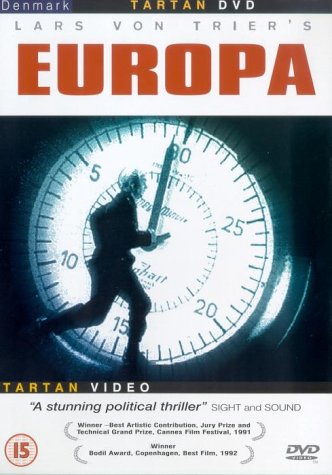
EuropaLars von Trier – ‘Europa’ (1991)

The final part of von Trier’s trilogy is more overtly influenced by film noir conventions than its predecessors and also uses back-projection, image layering and other experimental elements to add to its dark atmosphere.  Jean-Marc Barr plays a naive young American in postwar Germany who inadvertently becomes mixed up in a neo-Nazi plot.

Posted in Home | Tagged , , , , , , , , , | 2 Comments

One Year – Week 23

Project Description

One Year is a project through which I intend to construct a daily photographic record of a single view: the view from my study window at around 8.00a.m. each day when I sit down to work.  One Year will annotate each picture with a note of the weather for that morning and the morning’s main news headline from the BBC News site.  In addition, there will be a note taking a key sentence or two from my daily journal.

21 February 2014February 21st 2014

Light rain shower

Ukraine ‘peace deal’ after clashes

He was eighteen at the time.  Friends they had in common told him the two of them were made for each other.  He never did get round to meeting her

22 February 2014February 22nd 2014

Sunny

Ukraine president office ‘unguarded’

Angela was three years older than him.  She worked in a library and liked to visit historic sites


23 February 2014February 23rd 2014

Light rain

Tymoshenko urges protesters to stay

She sounded great; it was the idea of being ‘fixed-up’ that appalled him so


24 February 2014February 24th 2014

Light rain

Russia recalls Ukraine ambassador

That song has a haunting quality that always takes me back to that day so many years ago


25 February 2014February 25th 2014

Sunny

Ukraine to appoint unity government

Sunday afternoon, work finished, sitting in the car with the other two, driving across the marshes


26 February 2014February 26th 2014

Sunny

Ukraine not East-West fight, says US

I need to write a business plan.  No one will ever really read it, not even me.  I just need to have one


27 February 2014February 27th 2014

Sunny

Standard Life could quit Scotland

The trouble with Dogme 95 is that they announced the rules to the public.  Gnostic film-making, now that’s the future


Artist Statement

… “natural history” has no actual existence other than through the process of human history, the only part which recaptures this historical totality, like the modern telescope whose sight captures, in time, the retreat of nebulae at the periphery of the universe.

Guy Debord – Society of the Spectacle

The purpose of this project is to explore continuity and change.  Over the course of a year, I will build up a daily visual record of the same view.  Despite my best efforts, though, I will not be able to replicate the ‘same’ view each day: it is subject to changes in the environment, such as the weather or the time the sun rises.  But it is also affected by changes caused by me, the observer.  For instance, my feelings that morning may change the way I hold the camera or, inadvertently, the image may show my breath on the glass from getting too close to the window.

Looking out at the view on this, the first morning of One Year, I see a scene comprising sky, trees and rooftops.  I don’t see much evidence of human activity just yet, but that may come later in the year when the leaf cover begins to thin out.  Being on a flight path, we also see the odd vapour trail or aeroplane light in the sky too.

Some of the changes that will become evident will be pretty obvious, such as the seasons.  Other changes will be more subtle.  My daily notes will give some insight into what is going on inside my head that morning, from my journal entry, and there will also be a record of what is happening in the world in general, from the news headline.

But the ‘view’ I am recording in One Year is not neutral, it is selected and framed by me.  Similarly, my journal extracts are selected from a much larger body of work; it is the ‘insight’ into my thinking that I choose to present.  Even the ‘news headline’ cannot be regarded as neutral, for it is subject to BBC editorial bias.

But there is a third party in the One Year process, one that is outside of my control. That person is you, the reader of this blog, the interested observer of the project.  I want people to bring their own interpretations, views and insights to this project.  All comments received will be reproduced in my weekly project reports.
 

Posted in Home | Tagged , , | 2 Comments

One Year – Week 22

Project Description

One Year is a project through which I intend to construct a daily photographic record of a single view: the view from my study window at around 8.00a.m. each day when I sit down to work.  One Year will annotate each picture with a note of the weather for that morning and the morning’s main news headline from the BBC News site.  In addition, there will be a note taking a key sentence or two from my daily journal.

14 February 2014February 14th 2014

Light cloud

Stormy weather returns to sodden UK

He starts his walk in Manchester


15 February 2014February 15th 2014

Light cloud

Two people die during fierce storms

He looks.  He tells us how he looks, but not what he sees
 

16 February 2014February 16th 2014

Sunny

Cameron warns of further flooding

As he walks, he composes a letter to his daughter


17 February 2014February 17th 2014

Light rain

Floods to continue as more rain hits

Where do all these thoughts come from?  Have they been voiced before?


18 February 2014February 18th 2014

Light cloud

Ministers hold flood insurance talks

Walking as an act of exorcism


19 February 2014February 19th 2014

Sunny

Renewed assault on Ukraine protests

They call it psychogeography.  I realise now I have no idea what that term means
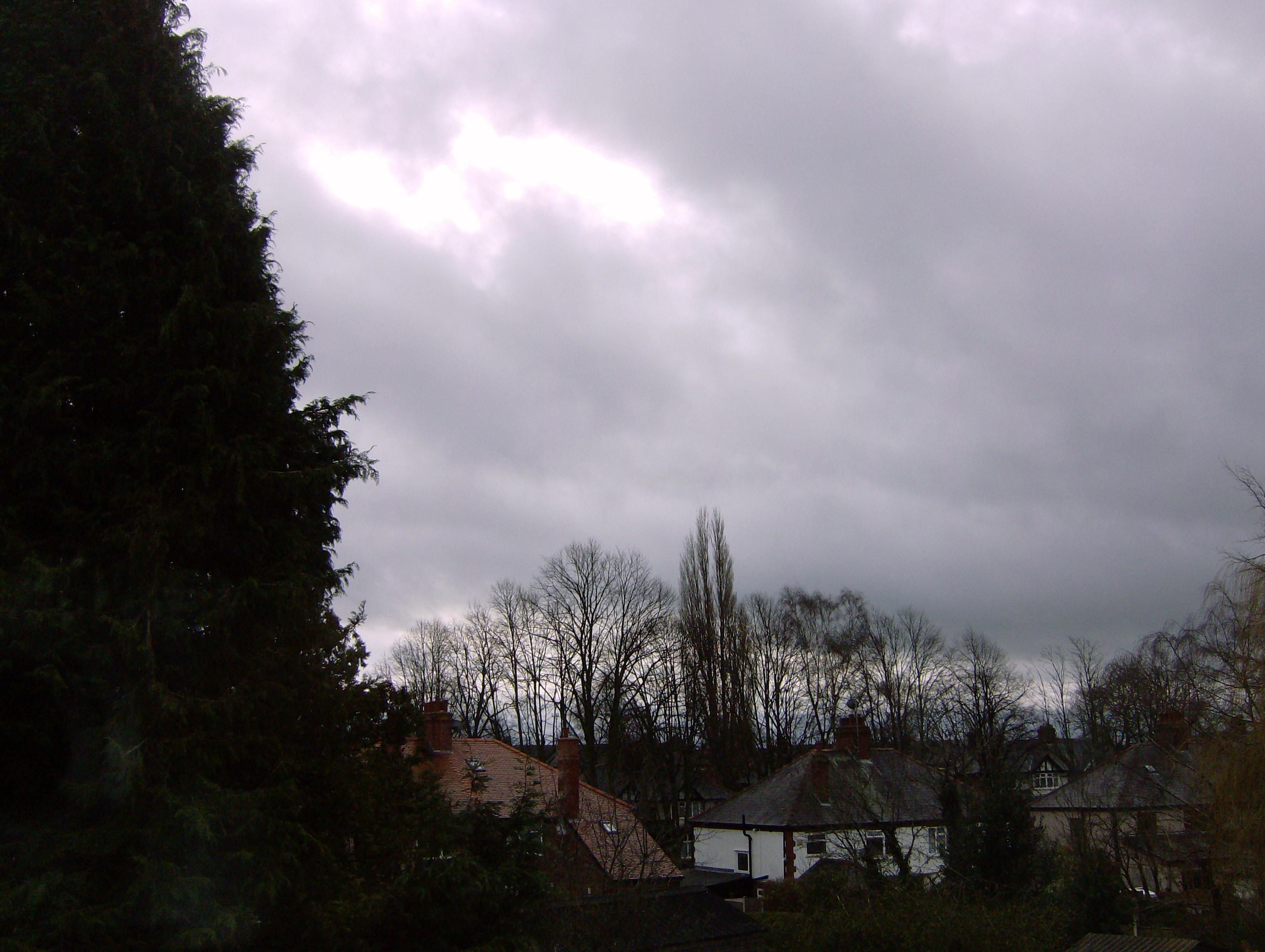
 

20 February 2014February 20th 2014

Light cloud

Kiev truce frays ahead of EU talks

What is the significance of Liverpool?  Why make that his destination?


Artist Statement

… “natural history” has no actual existence other than through the process of human history, the only part which recaptures this historical totality, like the modern telescope whose sight captures, in time, the retreat of nebulae at the periphery of the universe.

Guy Debord – Society of the Spectacle

The purpose of this project is to explore continuity and change.  Over the course of a year, I will build up a daily visual record of the same view.  Despite my best efforts, though, I will not be able to replicate the ‘same’ view each day: it is subject to changes in the environment, such as the weather or the time the sun rises.  But it is also affected by changes caused by me, the observer.  For instance, my feelings that morning may change the way I hold the camera or, inadvertently, the image may show my breath on the glass from getting too close to the window.

Looking out at the view on this, the first morning of One Year, I see a scene comprising sky, trees and rooftops.  I don’t see much evidence of human activity just yet, but that may come later in the year when the leaf cover begins to thin out.  Being on a flight path, we also see the odd vapour trail or aeroplane light in the sky too.

Some of the changes that will become evident will be pretty obvious, such as the seasons.  Other changes will be more subtle.  My daily notes will give some insight into what is going on inside my head that morning, from my journal entry, and there will also be a record of what is happening in the world in general, from the news headline.

Posted in Home | Tagged , , | 2 Comments